For those seeking to cultivate a taste of the Caribbean right on their patio or balcony, the Aji Dulce pepper offers a truly delightful journey. Known for its aromatic, sweet, and smoky flavor profile, all without the intense heat of its habanero cousin, this mild chili is a cherished ingredient in many cuisines. Growing Aji Dulce in pots is an incredibly rewarding and practical experience, providing fresh, flavorful peppers that can elevate almost any dish. This comprehensive guide will walk you through every essential step, from selecting the perfect container and optimizing your soil to nurturing your plant through its entire growth cycle, ultimately ensuring a bountiful and delicious harvest. Prepare to transform your outdoor space into a vibrant, productive garden, yielding these unique, flavorful gems with surprising ease.
The right start: choosing pots and soil
The foundation of successful container gardening for Aji Dulce peppers lies in selecting the appropriate pot and soil. These peppers thrive when their roots have ample space and good drainage. For a single Aji Dulce plant, a pot with a minimum capacity of 5 gallons is recommended, though a 7 to 10-gallon container will provide even more room for root development, leading to a larger, more prolific plant. Material choice is also important: terracotta pots offer excellent breathability, preventing root rot, but they dry out quickly. Plastic pots retain moisture better but may require more careful watering. Fabric grow bags are an excellent option, promoting air pruning of roots and preventing the plant from becoming root-bound.
Regardless of the material, ensure your chosen pot has sufficient drainage holes at the bottom. Without proper drainage, roots will suffocate and rot. When it comes to soil, do not use garden soil, which is often too dense and may harbor pests or diseases. Instead, opt for a high-quality, well-draining potting mix specifically formulated for vegetables or containers. A good mix will typically include ingredients like peat moss, coco coir, perlite, and vermiculite, which improve aeration and moisture retention. Aim for a slightly acidic to neutral pH level, ideally between 6.0 and 7.0, which is optimal for pepper plants. Amending your potting mix with a bit of compost can also provide a gentle, slow-release nutrient boost.
Sowing seeds and young plant care
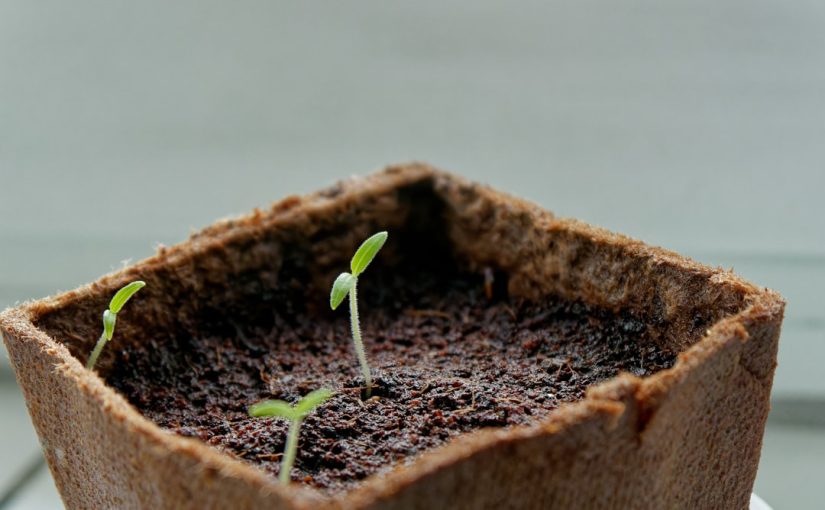
Starting Aji Dulce peppers from seed can be a deeply satisfying process, though it requires patience and specific conditions. Pepper seeds germinate best in warmth, ideally between 75-85°F (24-29°C). You can achieve this using a seed-starting heat mat. Plant seeds about a quarter-inch deep in a sterile seed-starting mix, which is lighter and finer than regular potting soil. Keep the soil consistently moist, but not waterlogged, until germination occurs, which can take anywhere from 7 to 21 days.
Once your seedlings emerge, they will need plenty of light to prevent them from becoming leggy and weak. Provide 14-16 hours of bright, indirect light daily. If natural light isn’t sufficient, consider using LED grow lights positioned a few inches above the seedlings. As your young plants develop their first set of true leaves (the second set of leaves after the initial cotyledons), they’ll be ready for transplanting into individual small pots, about 4 inches in diameter, filled with the quality potting mix you’ve prepared. Before moving them permanently outdoors, a crucial step is “hardening off.” This involves gradually exposing the young plants to outdoor conditions—sunlight, wind, and temperature fluctuations—over a period of 7-10 days. Start with a few hours in a sheltered spot and progressively increase their outdoor time and exposure, which will toughen them up and minimize transplant shock.
Nurturing growth: light, water, and nutrients
Once your Aji Dulce plants are established in their final pots and hardened off, their continued health and productivity depend on consistent attention to light, water, and nutrients. Peppers are sun-loving plants, so place your pots in a location that receives at least 6-8 hours of direct sunlight each day. Insufficient light will result in fewer flowers and fruits.
Watering is perhaps the most critical aspect of container gardening. Potted plants dry out faster than those in the ground. Aim for consistent moisture without overwatering, which can lead to root rot. A good rule of thumb is to water thoroughly when the top inch of soil feels dry to the touch. Water until you see it draining from the bottom of the pot. Avoid frequent, shallow watering, as this encourages shallow root growth. During hot weather, you may need to water daily. Fertilization is also key. Start with a balanced liquid fertilizer (e.g., 5-10-5 NPK ratio) every 2-4 weeks during the vegetative growth phase. Once flowers appear and fruits begin to set, switch to a fertilizer higher in phosphorus and potassium (e.g., 2-5-8 or 0-10-10) to support fruit development, applying every two weeks. Always follow product instructions carefully to avoid over-fertilizing.
Here’s a simplified feeding schedule for your potted Aji Dulce peppers:
| Growth Stage | Fertilizer Type (NPK Ratio Example) | Frequency |
|---|---|---|
| Seedling / Young Plant (after true leaves) | Low Nitrogen Balanced (e.g., 5-1-1) | Once, then move to vegetative |
| Vegetative Growth (strong stem/leaves) | Balanced (e.g., 5-10-5 or 10-10-10) | Every 2-4 weeks |
| Flowering / Fruiting (buds, flowers, fruit) | Higher Phosphorus & Potassium (e.g., 2-5-8 or 0-10-10) | Every 2 weeks |
Regularly inspect your plants for signs of pests like aphids, spider mites, or whiteflies. Early detection makes treatment easier. Organic options like neem oil spray or insecticidal soap are effective and safe for edible plants.
From flower to fruit: pollination and harvest
The transition from flower to fruit is the most exciting stage for any pepper grower. Aji Dulce peppers are self-pollinating, meaning each flower contains both male and female parts and can pollinate itself. Outdoors, wind and insects usually handle this process. However, in sheltered environments like a patio or indoors, a little assistance can significantly improve fruit set. You can gently shake the plant daily when it’s flowering, or use a small, soft brush to lightly touch the center of each flower to transfer pollen. This mimics natural pollination and encourages more peppers to form.
Once pollinated, small green fruits will begin to develop. Aji Dulce peppers typically start green and ripen to a beautiful orange, then a rich red, depending on the specific cultivar. The ripening process can take several weeks after the fruit has reached its full size. You’ll know your Aji Dulce peppers are ready for harvest when they have fully changed color, are firm to the touch, and have a slight sheen. Some varieties may remain orange, while others turn a vibrant red. Taste is also a good indicator; fully ripe peppers will have the most developed sweet and smoky flavor.
To harvest, use clean pruning shears or a sharp knife to snip the stem just above the cap of the pepper. Avoid pulling the peppers directly, as this can damage the plant’s branches or even the entire plant. Regular harvesting encourages the plant to produce more flowers and, consequently, more fruit. Enjoy your fresh Aji Dulce peppers in salads, salsas, stir-fries, or roasted to fully appreciate their unique, mild Caribbean flavor.
Cultivating Aji Dulce peppers in pots is a truly rewarding endeavor, bringing the vibrant flavors of the Caribbean directly to your home. We’ve covered the crucial steps, from choosing the right sized pot and a well-draining, nutrient-rich soil mix, to mastering the art of watering and providing ample sunlight. We also explored the importance of proper fertilization, pest management, and the satisfying process of hand-pollination for optimal fruit set. By paying close attention to these details—light, water, nutrients, and careful observation—you set the stage for a thriving plant that will generously reward your efforts. Embracing container gardening for Aji Dulce not only yields a continuous supply of these uniquely flavored peppers but also adds an attractive, aromatic element to your outdoor living space. Get ready to enjoy the fruits of your labor, enhancing your culinary creations with home-grown goodness that truly stands out.
Image by: Sabine Freiberger