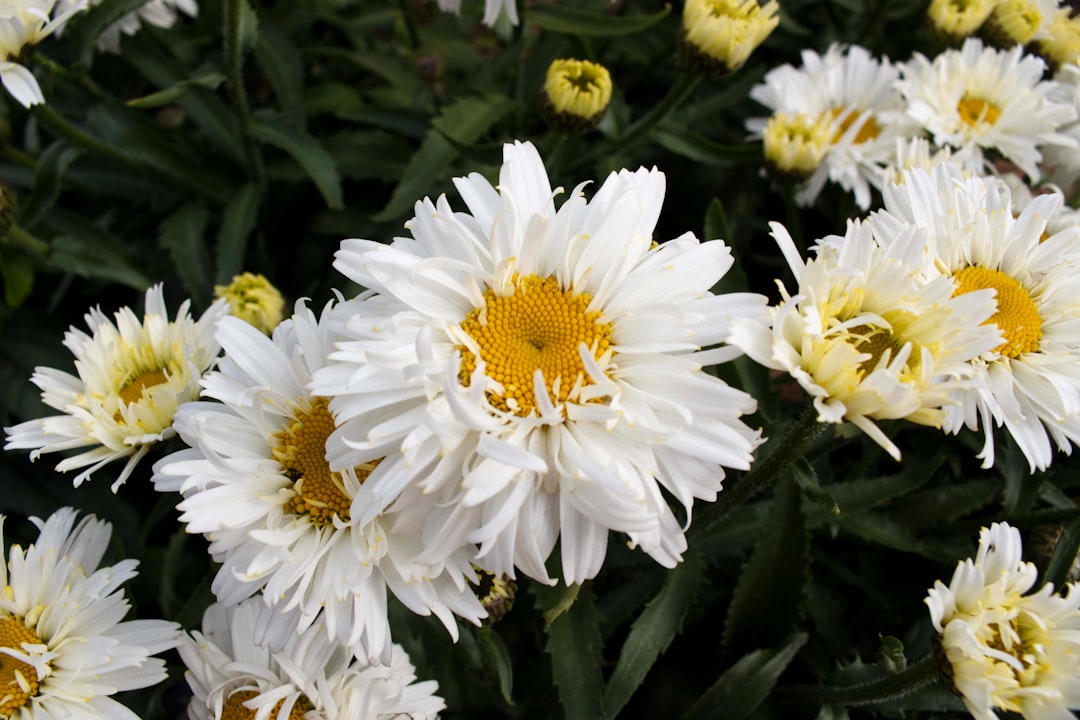
As autumn arrives, the vibrant hues of chrysanthemums, or mums, become a beloved sight, signaling the beauty of the season. While often associated with outdoor garden displays and porch decorations, these cheerful potted plants can also bring their spectacular color and charm indoors. However, keeping mums thriving inside your home requires a specific approach that differs from their outdoor care. Many find that their indoor mums quickly wilt or lose their luster, leading to the misconception that they are purely outdoor plants. This article will demystify the process, guiding you through the essential steps to properly care for potted mums indoors, ensuring they remain a stunning focal point in your home for as long as possible.
The importance of light and temperature for indoor mums
Creating the ideal indoor environment for your potted mums begins with understanding their fundamental needs for light and temperature. Mums are sun-loving plants, and even indoors, they crave bright conditions. Position your mum in a spot where it receives abundant bright, indirect light for at least four to six hours daily. An east-facing window offers gentle morning sun, while a south or west-facing window provides more intense light. If using a south or west window, be mindful of harsh, direct afternoon sun, which can sometimes scorch their delicate leaves and fade blooms. Rotating the pot every few days will ensure all sides of the plant receive adequate light, promoting even growth and symmetrical flowering.
Temperature plays an equally critical role in prolonging the life of your indoor mum. These plants thrive in cooler conditions. Ideally, maintain daytime temperatures between 60-70°F (15-21°C) and slightly cooler nights, around 50-60°F (10-15°C). Avoid placing mums near heat sources such as radiators, heating vents, fireplaces, or even direct drafts from windows, as sudden temperature fluctuations or excessive warmth will cause them to wilt quickly and shorten their blooming period. Cooler temperatures naturally slow down the plant’s metabolism, allowing it to hold onto its vibrant blooms for a longer duration.
Watering and humidity: finding the right balance
Proper watering is perhaps the most crucial aspect of indoor mum care, striking a balance between keeping the plant hydrated and preventing dreaded root rot. Mums are thirsty plants, but they absolutely detest sitting in soggy soil. To determine when to water, simply feel the top inch of the soil; if it feels dry to the touch, it’s time to water. When you do water, do so thoroughly until you see water draining from the bottom of the pot. Always ensure your mum is in a pot with adequate drainage holes. It’s imperative to empty any excess water from the saucer beneath the pot after about 15-20 minutes. Allowing the plant to sit in standing water will inevitably lead to root rot, quickly ending its display.
Beyond watering, ambient humidity can also impact your mum’s health indoors. Indoor environments, especially during heating seasons, tend to be drier than mums prefer. While they don’t require tropical humidity levels, a moderate amount is beneficial. You can increase humidity around your plant by misting the foliage lightly every day or two, being careful to avoid spraying the flowers directly, as this can encourage fungal spots. Another effective method is to place the pot on a pebble tray filled with water, ensuring the bottom of the pot doesn’t touch the water itself. As the water evaporates, it creates a localized humid microclimate around the plant.
Feeding and essential pruning for vibrant blooms
While the initial burst of blooms on a potted mum is impressive, strategic feeding and timely pruning can significantly extend its vibrant display. Most mums purchased from nurseries are already robustly fertilized to support their current bloom cycle. However, if your mum has been blooming for some time or if you plan to encourage further growth, a light feeding can be beneficial. When the plant is actively flowering, you can provide a balanced liquid fertilizer, such as a 10-10-10 or 20-20-20 formula, diluted to half strength, approximately every two to four weeks. Once the blooms begin to fade, discontinue fertilization, as the plant is entering a dormant or resting phase. Over-fertilizing can lead to salt buildup in the soil and potentially harm the roots.
Deadheading, or the removal of spent flowers, is an indispensable practice for prolonging the blooming period of your indoor mum. As individual flowers wilt and turn brown, pinch or snip them off at the base of the flower stem. This prevents the plant from expending energy on producing seeds and instead redirects that energy towards developing new buds and maintaining a fresh appearance. Regularly inspect your plant for any yellowing or damaged leaves and remove them as well. This simple maintenance routine not only keeps your mum looking tidy but actively encourages the plant to produce more blooms. Here’s a quick troubleshooting guide for common indoor mum issues:
| Problem | Common cause | Solution |
|---|---|---|
| Wilting leaves | Underwatering, overwatering (root rot) | Check soil moisture; adjust watering frequency. Ensure proper drainage. |
| Yellowing leaves | Underwatering, nutrient deficiency, too much direct sun | Adjust watering; consider light fertilization if actively blooming; move to brighter indirect light. |
| Flowers fading quickly | Too warm, lack of humidity, insufficient light | Move to cooler location; increase humidity; provide more bright, indirect light. |
| Leggy growth with sparse blooms | Insufficient light | Move to a brighter spot; rotate the pot regularly for even exposure. |
Post-bloom care and potential for reblooming
Once your potted mum has finished its spectacular indoor show, you might wonder what’s next. Many people treat indoor mums as annuals, simply discarding them after their blooms fade. However, with a bit of effort, you can potentially coax your mum into reblooming, or at the very least, successfully overwinter it for an outdoor display next spring. The key is to understand that after flowering, the plant enters a period of dormancy.
To prepare your mum for this resting phase, first, cut back the spent flower stems to about 4-6 inches from the soil level. Reduce your watering significantly, providing just enough moisture to keep the soil barely damp, preventing it from completely drying out. Stop all fertilization. Then, move the plant to a cool, dark, and protected location where temperatures remain above freezing but are consistently cool—ideally between 35-50°F (1-10°C). An unheated garage, basement, or even a cool closet can work. During this dormancy, the plant’s growth will slow dramatically. In spring, once the danger of frost has passed and you begin to see new green growth emerging, gradually reintroduce the plant to brighter light and begin to increase watering. If the plant appears root-bound, this is also an excellent time to repot it into a slightly larger container with fresh potting mix. While reblooming indoors can be challenging due to the specific light and temperature requirements needed to set buds (short days and cool nights), successful overwintering can allow you to enjoy your mum outdoors in subsequent seasons.
Caring for potted mums indoors can be a rewarding experience, allowing you to extend the beauty of autumn well into your home. By diligently addressing their needs for bright, indirect light and cool temperatures, you create the optimal environment for their vibrant blooms. Regular, mindful watering, ensuring the soil is moist but never soggy, is paramount, complemented by efforts to maintain moderate humidity. Furthermore, timely deadheading and occasional, light fertilization during active blooming will encourage the plant to produce a prolonged display of color. While indoor mums are often seen as temporary decor, understanding their post-bloom requirements opens the door to either overwintering them for future outdoor enjoyment or even attempting a challenging indoor rebloom. With these dedicated care practices, your potted mums won’t just survive indoors; they will truly thrive, bringing lasting cheer to your living space.