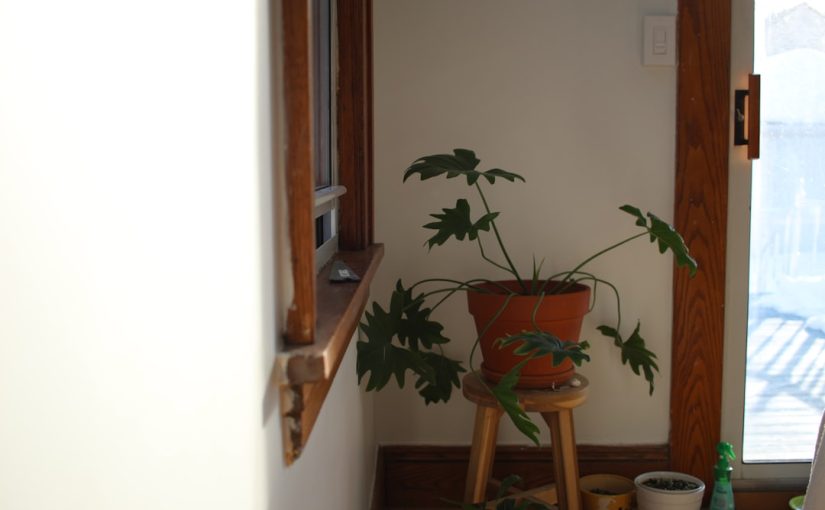
The sight of perfectly arranged, often shiny, rocks seemingly fused to the soil surface in a potted plant is a common one, particularly when browsing garden centers or receiving a plant as a gift. It adds a polished, professional touch that undeniably enhances the plant’s immediate appeal. But beyond the obvious aesthetic enhancement, this peculiar practice of <i>gluing</i> down decorative rocks serves several surprising, and sometimes controversial, purposes. What initially appears to be a mere stylistic choice often conceals a blend of practical considerations ranging from retail presentation to plant stability, alongside some less desirable long-term implications for the plant itself. Understanding the “why” behind this technique offers insight into both commercial horticulture and plant care, allowing us to appreciate the full spectrum of its intent and impact.
Aesthetic appeal and retail presentation
One of the most immediate and undeniable reasons for gluing rocks into potted plants is pure aesthetics. In the competitive retail environment, presentation is paramount. A neatly arranged layer of decorative stones, pebbles, or gravel creates a clean, finished look that significantly enhances a plant’s visual appeal. This uniformity and polished appearance can make a plant seem more expensive, well-cared for, and generally more attractive to a potential buyer. Nurseries and florists invest considerable effort in making their products stand out, and a glued-down top dressing provides a consistent, pristine finish that is difficult to achieve with loose materials.
Furthermore, this technique contributes to a perceived sense of quality and professionalism. It suggests that attention has been paid to every detail, from the plant itself to its presentation within the pot. For gift plants, this aesthetic precision is particularly valued, as it ensures the recipient receives a visually perfect item without any loose soil or mess. It transforms a simple potted plant into a more refined decorative element, fitting seamlessly into various interior design schemes.
Preventing soil spillage and maintaining cleanliness
Beyond the visual enhancements, there are significant practical advantages, especially concerning logistics and maintenance. Transporting plants, whether from a nursery to a retail store, or from a shop to a customer’s home, can be a messy affair. Loose soil inevitably shifts, spills, and creates a considerable cleanup challenge. By securely gluing down a layer of rocks, retailers effectively create a protective barrier that locks the potting medium in place.
This prevents soil from scattering during movement, reducing mess in vehicles, aisles, and ultimately, in the customer’s home. It also minimizes the potential for soil to get caught in other merchandise or stain surfaces. For businesses operating on tight margins, reducing cleanup time and preventing product damage or complaints due to mess are tangible benefits. In a home setting, glued rocks mean less worry about curious pets digging, or children making a mess, contributing to a tidier living space.
Stability, security, and minor pest deterrence
Another practical benefit, often overlooked, relates to the plant’s stability. Taller plants or those with significant foliage can become top-heavy, making them prone to tipping over, especially during handling or in areas with air currents. The added weight of a substantial layer of glued-down rocks can significantly lower the plant’s center of gravity, providing much-needed ballast and stability. This prevents the plant from easily toppling, protecting both the plant itself and its surroundings from potential damage.
While not its primary function, a sealed rock surface can also offer a minor deterrent against certain common houseplant pests. Fungus gnats, for instance, lay their eggs in the moist top layer of soil. A solid, impenetrable barrier of glued rocks makes it harder for adult gnats to access the soil for laying eggs and can somewhat inhibit the emergence of larvae. However, it’s crucial to understand that this is far from a foolproof pest control method and is generally considered a secondary, rather than primary, benefit.
The hidden drawbacks and long-term considerations
Despite the immediate advantages, gluing rocks to potted plants introduces several significant drawbacks that can impact the plant’s long-term health and the owner’s ability to provide proper care. These issues are often overlooked at the point of purchase but become critical over time.
<ul>
<li><b>Restricted Drainage:</b> Glued rocks can impede proper water drainage, leading to waterlogging. This creates an anaerobic environment, suffocating roots and fostering root rot, a common killer of houseplants.</li>
<li><b>Limited Aeration:</b> The sealed surface prevents essential air exchange between the soil and the atmosphere. Roots need oxygen to thrive, and poor aeration can weaken the plant and make it more susceptible to disease.</li>
<li><b>Impeded Soil Assessment:</b> It becomes nearly impossible to accurately gauge soil moisture levels by touch. Overwatering or underwatering are common consequences, as the surface layer provides no reliable indicator.</li>
<li><b>Difficulty in Repotting and Care:</b> Once glued, it’s incredibly challenging to remove the rocks without damaging the plant or the pot. This makes repotting, adding fertilizer, or treating soil-borne pests extremely difficult, if not impossible.</li>
<li><b>Root System Harm:</b> The inability to access the soil means any root adjustments or pruning are out of the question. Roots can become compressed or grow improperly.</li>
<li><b>Environmental Concerns:</b> The glues used are often petroleum-based and can introduce chemicals into the soil over time, potentially harming the plant or making the potting mix non-biodegradable.</li>
</ul>
Understanding these downsides is crucial for anyone wishing to maintain a healthy, thriving plant beyond its initial presentation. Below is a comparison of common top-dressing methods:
<table border=”1″>
<tr>
<th>Feature</th>
<th>Glued Rocks</th>
<th>Loose Decorative Stones</th>
<th>No Top Dressing (Bare Soil)</th>
</tr>
<tr>
<td><b>Aesthetic Appeal</b></td>
<td>High (polished, neat)</td>
<td>Moderate to High (natural)</td>
<td>Low (can appear unfinished)</td>
</tr>
<tr>
<td><b>Soil Spillage Prevention</b></td>
<td>Excellent</td>
<td>Good (reduces, but not eliminates)</td>
<td>Poor</td>
</tr>
<tr>
<td><b>Plant Stability</b></td>
<td>Good (added weight)</td>
<td>Fair (some weight)</td>
<td>Standard</td>
</tr>
<tr>
<td><b>Soil Aeration</b></td>
<td>Poor</td>
<td>Good</td>
<td>Excellent</td>
</tr>
<tr>
<td><b>Moisture Assessment</b></td>
<td>Difficult/Impossible</td>
<td>Easy (move stones aside)</td>
<td>Easy (direct access)</td>
</tr>
<tr>
<td><b>Repotting/Care Ease</b></td>
<td>Extremely Difficult</td>
<td>Easy (remove stones)</td>
<td>Easy</td>
</tr>
<tr>
<td><b>Root Health Impact</b></td>
<td>Negative (potential for rot)</td>
<td>Neutral to Positive</td>
<td>Neutral to Positive</td>
</tr>
</table>
Conclusion
In essence, the practice of gluing rocks onto the surface of potted plants is a strategy primarily driven by commercial appeal and immediate practical benefits. From creating an irresistible visual aesthetic that captivates buyers to preventing messy soil spillage during transport and offering a degree of stability, the initial motivations are clear. However, as we’ve explored, these short-term gains often come at a significant cost to the plant’s long-term health and the ease of its care. Restricted drainage, poor aeration, and the inability to properly assess soil moisture are serious drawbacks that can compromise a plant’s vitality and lead to common issues like root rot.
Ultimately, while an attractive top dressing can enhance a plant’s presentation, opting for loose, breathable materials or simply no top dressing at all is often the more plant-friendly and sustainable choice for long-term health and vigorous growth. For a plant purchased with glued rocks, the best course of action for its longevity is often careful removal of the glued layer, even if it means sacrificing the immediate aesthetic. Understanding both the allure and the pitfalls of this common practice empowers plant owners to make informed decisions for the well-being of their green companions.
Image by: Crystal Jo