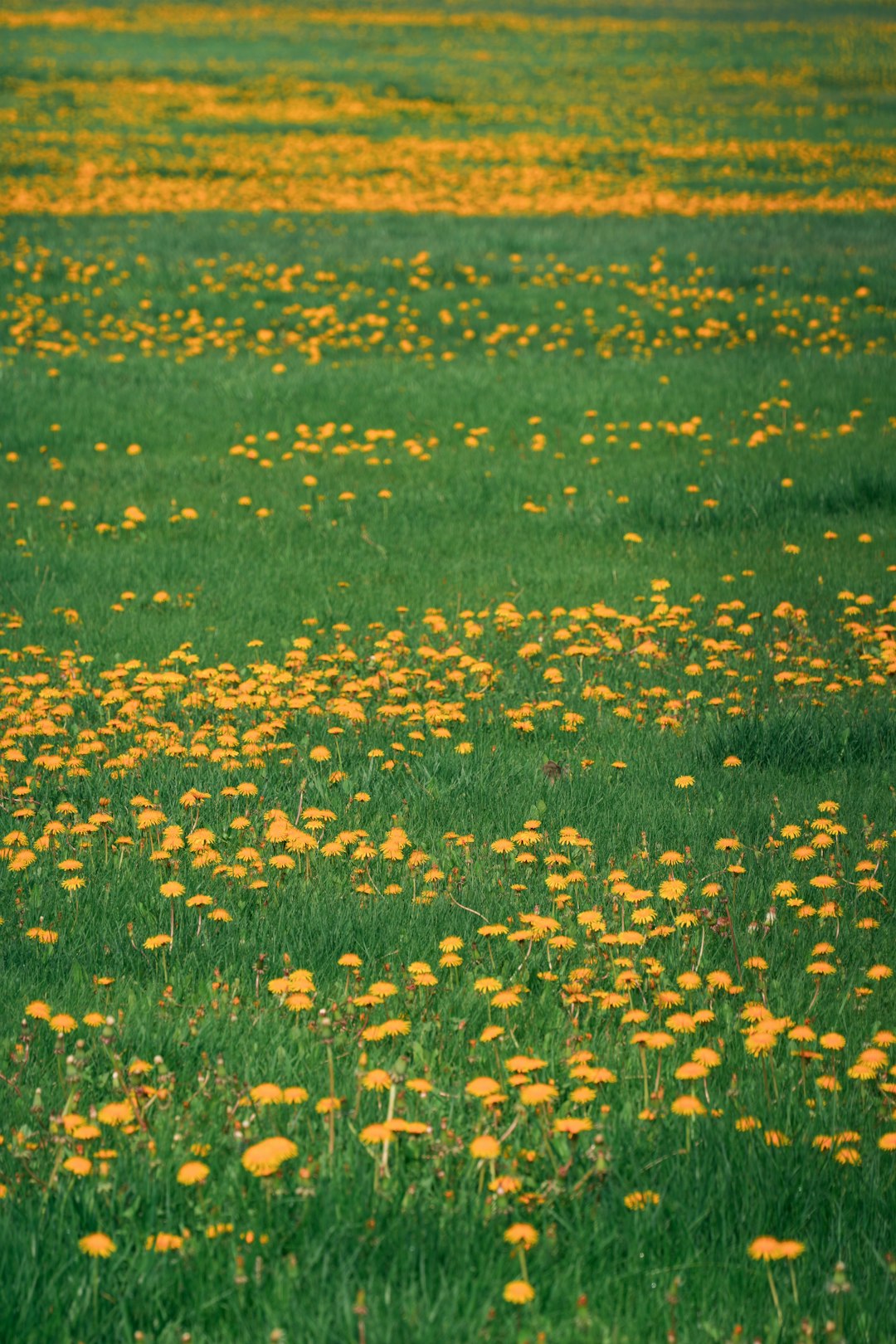
Bringing the untamed beauty of wildflowers into your home can transform any space, imbuing it with a touch of nature’s spontaneous charm. However, unlike their cultivated counterparts, wildflowers often come with a reputation for quickly wilting once cut, making their vibrant display short-lived. This rapid decline can be disappointing, causing many to shy away from harvesting these natural treasures. But what if you could significantly extend their vase life, allowing you to savor their delicate petals and unique forms for much longer? Keeping wildflowers fresh and thriving in a vase is entirely possible with the right knowledge and a few simple techniques. This guide will walk you through essential steps, from the moment of gathering to ongoing care, ensuring your wild bouquets remain a captivating focal point in your home.
The art of mindful gathering and immediate care
The journey to a long-lasting wildflower arrangement begins even before the flowers reach your vase. The timing and method of picking are crucial for their subsequent survival. Always aim to gather wildflowers in the early morning, just after the dew has dried but before the heat of the day fully sets in. At this time, the plants are fully hydrated and less stressed, making them more receptive to life as a cut flower.
- Tools matter: Instead of simply pulling or tearing, use a sharp knife or clean, sharp scissors. A clean cut prevents damage to the stem, which can impede water uptake.
- Angle of cut: Make a diagonal cut at a 45-degree angle. This increases the surface area for water absorption and prevents the stem from sitting flat against the bottom of the vase, which can block water intake.
- Immediate hydration: Crucially, have a bucket or container of cool water with you in the field. As soon as you cut a stem, place it directly into the water. This prevents air from entering the stem’s vascular system, which can create blockages and lead to premature wilting. Think of it as an emergency ambulance for your flowers.
- Choose wisely: Select flowers that are just beginning to open, rather than those in full bloom. Buds will open in the vase, providing a longer display. Avoid flowers that already show signs of wilting, discoloration, or pest damage.
Preparing your wildflowers for their new home
Once you bring your freshly cut wildflowers indoors, a few preparatory steps are essential to maximize their vase life. This stage is about setting them up for success in their new environment.
- Re-cut the stems: Even if you cut them correctly in the field, give the stems another fresh 45-degree cut under cool running water or submerged in a sink. This helps remove any air bubbles that may have formed during transport and re-opens the water-absorbing capillaries.
- Remove submerged foliage: Any leaves or flowers that would sit below the water line in your vase must be removed. Submerged foliage will decompose rapidly, creating bacteria that contaminate the water and clog the stems, drastically shortening the life of your flowers.
- Choose the right vase: Select a clean vase appropriate for the size and number of your stems. A dirty vase harbors bacteria, so wash it thoroughly with soap and water, and consider a mild bleach solution (1 part bleach to 10 parts water) for sterilization, rinsing well afterward.
- Water and food: Fill your vase with cool, fresh water. While specific commercial flower foods can work for wildflowers, a simple homemade solution can also be effective. A popular mix is 1 teaspoon sugar (for food), 1 teaspoon bleach (to inhibit bacteria), and 2 teaspoons lemon or lime juice (to lower pH, aiding water uptake) per quart of water. Ensure the water level is sufficient for all stems.
Optimal environment and ongoing hydration
Where you place your wildflowers and how consistently you care for them will significantly impact how long they last. Think of their environment as a comfortable, stable home.
- Placement is key: Wildflowers, like most cut flowers, prefer a cool environment away from direct sunlight, heat sources (such as radiators, heating vents, or electronics), and ripening fruit. Direct sun and heat accelerate dehydration and aging. Ripening fruits release ethylene gas, a natural plant hormone that speeds up the aging process, causing flowers to fade much faster.
- Daily water changes: This is perhaps the most critical ongoing task. Change the water in the vase daily. This removes bacteria and provides fresh nutrients. Each time you change the water, give the stems another quick re-cut (underwater if possible) to maintain their ability to absorb water efficiently.
- Mist when needed: Some wildflowers, especially those with delicate petals, can benefit from a light misting of clean water every now and then, especially in dry indoor environments. This helps maintain turgidity and prevents wilting.
- Remove spent blooms: As individual flowers fade, pinch or cut them off. This not only keeps the arrangement looking tidy but also prevents the plant from expending energy on dying parts, redirecting it to the healthier blooms.
Understanding common wildflower challenges and solutions
Even with the best care, wildflowers can present unique challenges. Understanding common issues and their solutions can help you troubleshoot and keep your bouquet vibrant for longer.
| Problem | Cause | Solution |
|---|---|---|
| Rapid wilting | Air in stem, bacterial blockage, dehydration | Re-cut stems underwater, change water, place in cool environment, check for sub-surface leaves. |
| Murky or smelly water | Bacterial growth from decaying leaves/stems | Change water daily, re-clean vase, remove all submerged foliage. |
| Pre-mature browning/fading | Ethylene gas exposure (from ripening fruit), high heat, direct sunlight | Move vase away from fruit, direct sun, and heat sources. |
| “Milky” sap from stems (e.g., Poppies, Milkweed) | Sap can inhibit water uptake and contaminate water | Sear the cut ends of stems with a flame or dip in boiling water for 10-20 seconds to seal sap before placing in vase. |
Some wildflowers, like poppies, release a milky sap when cut. This sap can clog their own stems and contaminate the vase water, affecting other flowers. For these, it’s beneficial to sear the cut end of the stem with a flame or dip it in boiling water for about 10-20 seconds immediately after cutting to seal the sap. For woody-stemmed wildflowers, gently crush the bottom inch of the stem before placing them in water; this helps them absorb water more effectively.
Keeping wildflowers alive in a vase is a rewarding endeavor that connects you more deeply with the natural world’s rhythms. By diligently following these steps—from the thoughtful act of gathering them in the early morning, to meticulously preparing their stems and providing a pristine environment, and finally, maintaining their vitality with daily care—you can significantly prolong their ephemeral beauty. Each fresh cut, water change, and careful placement contributes to a longer, more vibrant display. It’s an investment of a little time and effort that pays off in weeks of natural charm and delicate fragrance filling your home. Embrace the simple pleasure of nurturing these wild beauties, and you’ll find that their understated elegance brings an unparalleled sense of peace and natural wonder to your living space, reminding us to appreciate the subtle magic all around us.
Image by: Winston Chen