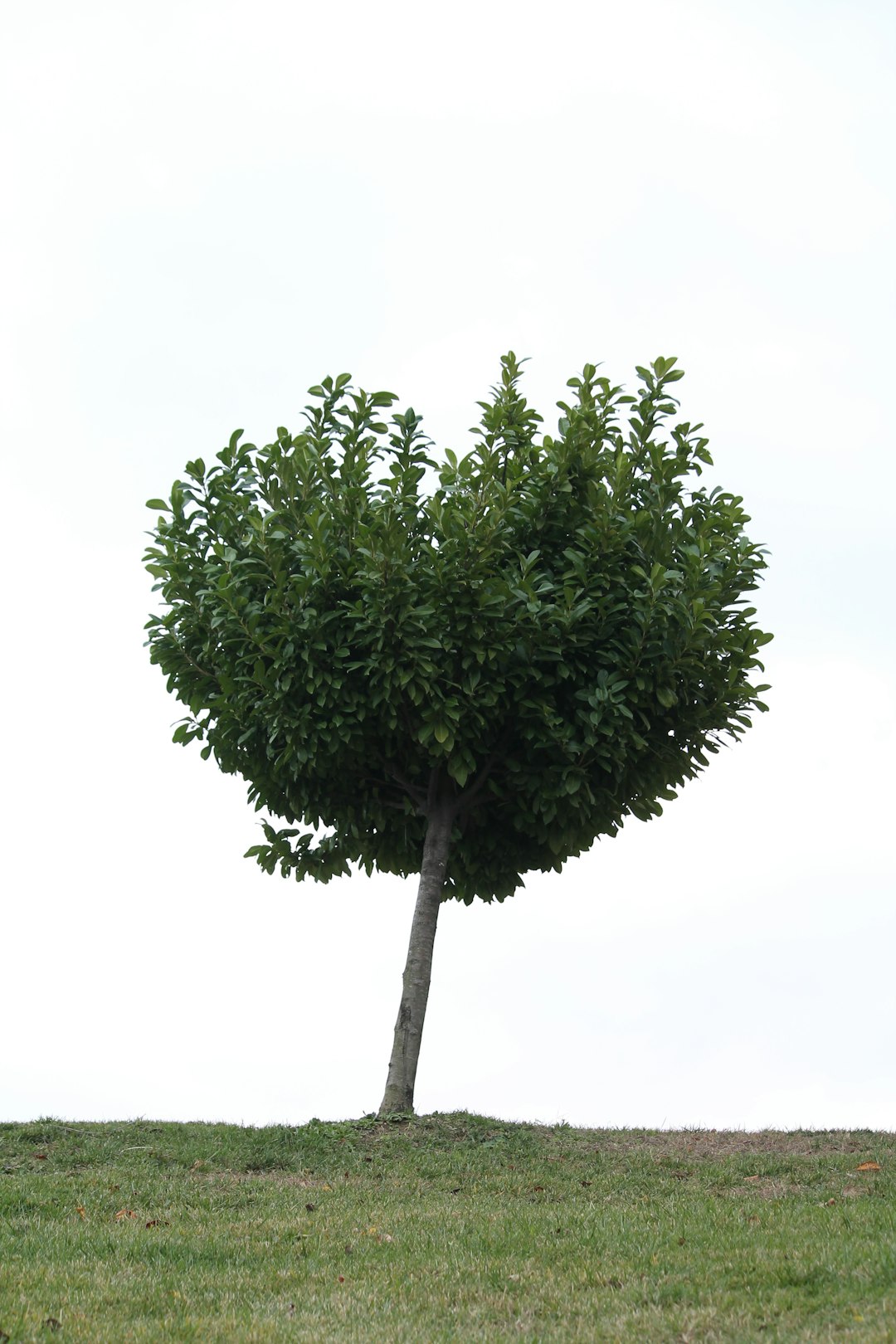
Transplanting a mature tree is a significant undertaking, often considered when homeowners or developers wish to preserve an established landscape feature during construction, or simply relocate a beloved specimen within a property. The decision to move a large tree rather than replace it with a new, smaller one is typically driven by its aesthetic value, ecological benefits, or sentimental attachment. However, this complex process comes with a considerable price tag, influenced by a myriad of factors from the tree’s size and species to site accessibility and the specialized equipment required. Understanding the true cost involves looking beyond just the labor and considering all the variables that contribute to a successful, albeit expensive, relocation project. This article will delve into the various elements that determine how much you can expect to pay for transplanting a mature tree.
Understanding the variables that influence cost
The cost to transplant a mature tree is highly variable, primarily dictated by several key factors. Foremost among these is the size of the tree. This isn’t just about height; trunk diameter and root ball size are crucial. Larger trees demand more powerful equipment, more labor, and more extensive preparation and aftercare. The species of the tree also plays a role; some species have fibrous root systems that transplant more readily, while others are more delicate or require specific handling. For instance, an oak tree, known for its deep taproot, might be more challenging and thus more expensive to move than a maple of similar size. Accessibility to the site is another major determinant. If heavy machinery like a tree spade or crane cannot easily reach the tree’s original location or its new home, manual labor will increase, or specialized, smaller equipment might be needed, adding to the expense. Geographic location also impacts pricing due to differences in labor costs, equipment availability, and permitting requirements. Finally, soil conditions and the presence of underground utilities can significantly complicate the digging process, requiring more time and careful excavation, thereby increasing the overall cost.
The process and its specialized equipment
Transplanting a mature tree is a meticulous process that begins long before any soil is disturbed. It typically involves an initial site assessment by an arborist to determine the tree’s health, viability for transplant, and the best relocation strategy. Preparation often includes root pruning months in advance to encourage a denser root ball, improving survival rates. When the actual move day arrives, specialized equipment is paramount. For trees with trunk diameters up to approximately 10-12 inches, a hydraulic tree spade is commonly used. This machine can dig, lift, and transport the tree with its intact root ball. For larger specimens, a combination of heavy excavation equipment, cranes, and manual labor might be necessary to carefully dig around the root ball, wrap it, and then lift and transport it. The new site also requires thorough preparation, including soil amendments and proper irrigation system installation. Aftercare, including regular watering, monitoring, and potentially staking, is critical for the tree’s establishment in its new environment. The sophistication and size of this equipment directly correlate with project complexity and cost.
Here’s a generalized overview of cost components for a mid-sized mature tree (e.g., 6-10 inch trunk diameter):
| Service Component | Estimated Cost Range | Details |
|---|---|---|
| Arborist Consultation/Assessment | $100 – $300 | Health check, viability, site analysis |
| Root Pruning (pre-move) | $300 – $800 | Encourages dense root ball formation |
| Digging/Lifting (Tree Spade) | $1,000 – $4,000 | Includes equipment rental and operator labor |
| Transportation (Local) | $300 – $1,500 | Hauling to new location (distance dependent) |
| Replanting & Site Prep | $500 – $2,000 | Hole preparation, soil amendments, backfill |
| Aftercare & Monitoring (Initial) | $200 – $700 | Watering, fertilization, pest checks for first few weeks/months |
| Total Estimated Range | $2,400 – $9,300+ | Excludes very large trees or complex sites |
Typical cost ranges and what’s included
The financial outlay for transplanting a mature tree can vary dramatically. For smaller mature trees, perhaps with a trunk diameter of 4-6 inches, costs might begin around $1,500 to $3,000. As trees grow larger, with trunk diameters of 8-12 inches, expect to pay anywhere from $3,000 to $10,000. For very large trees, exceeding 12-15 inches in diameter, or those requiring specialized crane services, the cost can easily jump to $10,000, $20,000, or even upwards of $30,000. A typical professional quote should encompass several critical elements: the initial arborist consultation and assessment, necessary root pruning and preparation, the labor and specialized equipment (tree spades, excavation machinery, potentially cranes) for digging and lifting, transportation to the new site, careful replanting, and often, initial aftercare instructions or a limited aftercare period. It’s crucial to clarify what “aftercare” entails, as long-term success often depends on diligent watering and maintenance well beyond the initial few weeks. Always obtain detailed, written quotes from multiple experienced tree transplanting services to understand the scope of work and included services.
Additional considerations and potential hidden expenses
Beyond the core transplanting service, several other factors can add to the total cost. Permits from local municipalities or homeowner associations are frequently required, especially if the tree is large, located near public property, or involves street closures for equipment access. The cost of these permits varies but can be a few hundred dollars. Soil amendments for the new planting site, such as compost, specific fertilizers, or pH adjusters, are often recommended to give the tree the best chance of survival and can add $100-$500. Installation of a dedicated irrigation system or temporary watering solution is almost always necessary for proper establishment and could range from a few hundred to over a thousand dollars depending on complexity. It’s also wise to inquire about the service provider’s insurance and warranty. While a warranty on tree survival is rare for mature transplants due to the numerous unpredictable factors, reputable companies will carry comprehensive liability insurance. Furthermore, site restoration at both the original and new locations (e.g., repairing turf damage, landscaping around the replanted tree) might not be included in the primary quote and could represent an additional expense. Always discuss these potential additions upfront to avoid surprises.
Transplanting a mature tree is a substantial investment, reflecting the complexity of the task, the specialized equipment required, and the inherent risks to the tree’s survival. Costs are primarily driven by the tree’s size, species, site accessibility, and geographic location, with professional services for mid-sized trees typically ranging from a few thousand to over ten thousand dollars. The process demands expert assessment, meticulous preparation, careful execution with heavy machinery, and diligent aftercare, all contributing to the overall expenditure. While the price tag can be significant, the value of preserving a mature tree often outweighs the cost for those seeking to maintain established landscapes, contribute to environmental sustainability, or cherish a sentimental arboreal asset. Before committing, always seek detailed quotes from experienced arborists and tree transplanting specialists, clarifying every aspect of the service to ensure a clear understanding of the full financial commitment and the best possible outcome for your treasured tree.