Budding and grafting are ancient, intricate horticultural techniques that allow gardeners and commercial growers alike to combine the desirable traits of two different plants into one. This transformative process hinges on the careful selection of a scion (the upper part, typically a shoot or bud, with desired fruiting or flowering characteristics) and a rootstock (the lower part, providing the root system and influencing vigor, disease resistance, and environmental adaptation). The success of this fusion depends heavily on the compatibility and specific attributes of the plant types chosen for both roles. Understanding which plants serve best as rootstocks or scions, and why, is fundamental to mastering these propagation methods. This article will delve into the diverse world of plant species commonly utilized in budding and grafting, exploring their unique contributions and the factors that make them ideal candidates for creating robust, productive plants.
The fundamentals of rootstock selection
The rootstock, often underestimated in its contribution, is the foundation of any grafted plant. It consists of the root system and the lower portion of the stem, and its selection is paramount for the long-term health and productivity of the entire composite plant. A well-chosen rootstock dictates several critical factors, including the plant’s ultimate size, its tolerance to various soil types and pH levels, its resistance to specific diseases and pests (like nematodes or crown gall), and its resilience to environmental stresses such as drought or extreme cold. For instance, a dwarfing rootstock can transform a large, vigorous fruit tree into a compact, manageable specimen ideal for small gardens or high-density plantings, while a vigorous rootstock might be chosen for poor soils or to promote rapid growth. Compatibility between the rootstock and scion is non-negotiable; genetic closeness generally ensures a successful union where vascular tissues can properly connect and transport water and nutrients effectively. Without this, the graft union will fail, often resulting in poor growth, breakage, or eventual death of the scion.
Common fruit trees and their preferred rootstocks
Fruit tree propagation relies heavily on grafting and budding to achieve specific results that are difficult or impossible to obtain from seed. The choice of rootstock for fruit trees is a highly specialized field, tailored to optimize production and adaptation to local conditions.
- Apples (Malus domestica): Apple rootstocks are perhaps the most studied. The “M” and “MM” series (e.g., M.9, M.26, MM.106, MM.111) developed in East Malling, UK, offer a range from extreme dwarfing to vigorous, influencing tree size, precocity (early fruiting), and pest resistance. Newer Geneva series rootstocks (e.g., G.41, G.210) offer superior resistance to diseases like fire blight and woolly apple aphid.
- Pears (Pyrus communis): Pears are often grafted onto quince (Cydonia oblonga) rootstocks for dwarfing effects and precocity, although some scion varieties exhibit incompatibility requiring an interstem. Pyrus communis seedlings are used for standard, vigorous trees, while Pyrus calleryana offers tolerance to heavy, wet soils.
- Stone fruits (Prunus spp. – peaches, plums, cherries, apricots):
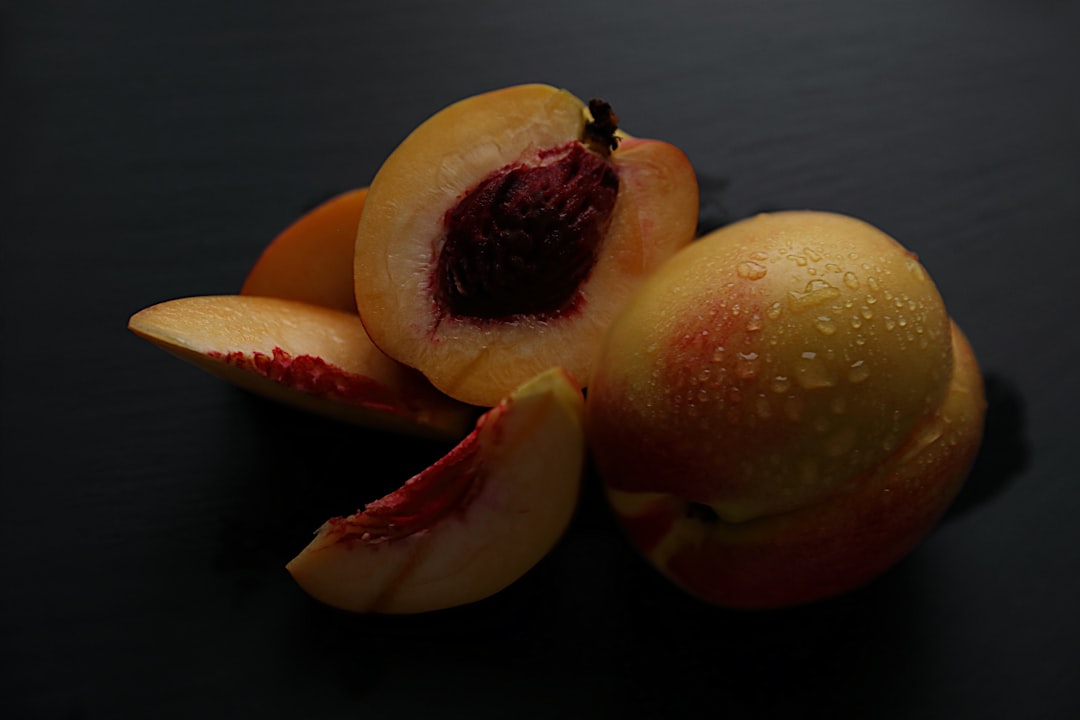
- Peaches and Nectarines: Rootstocks like Lovell and Nemaguard are common for their vigor and resistance to nematodes, respectively. Citation is a semi-dwarfing rootstock popular for its early bearing.
- Plums: Myrobalan plum (Prunus cerasifera) seedlings are widely used for their adaptability to various soils and vigorous growth. Mariana 2624 is another common choice, offering good anchorage.
- Cherries: Mazzard (Prunus avium) and Mahaleb (Prunus mahaleb) are traditional vigorous rootstocks, with Mahaleb providing better drought tolerance. Gisela series rootstocks offer dwarfing and earlier fruiting, significantly improving orchard management.
- Citrus (Citrus spp.): Trifoliate orange (Poncirus trifoliata) and its hybrids like Swingle citrumelo are popular for their cold hardiness and resistance to citrus tristeza virus (CTV). Sour orange was once dominant but its susceptibility to CTV has limited its use in many regions.
Here is a table summarizing some common fruit tree rootstocks:
| Fruit Type | Common Rootstock Examples | Key Benefits |
|---|---|---|
| Apple | M.9, MM.111, Geneva series | Dwarfing, vigor control, disease resistance (fire blight) |
| Pear | Quince, Pyrus communis, Pyrus calleryana | Dwarfing, vigor, wet soil tolerance |
| Peach | Lovell, Nemaguard, Citation | Vigor, nematode resistance, semi-dwarfing |
| Plum | Myrobalan, Mariana 2624 | Soil adaptability, vigor, good anchorage |
| Cherry | Mazzard, Mahaleb, Gisela series | Vigor, drought tolerance, dwarfing, early fruiting |
| Citrus | Trifoliate orange, Swingle citrumelo | Cold hardiness, CTV resistance |
Ornamental plants and specialized grafting
Grafting isn’t exclusive to fruit production; it plays a vital role in the ornamental plant industry, enabling the creation of unique forms, enhancing plant health, and propagating difficult-to-root cultivars. The principles remain the same: selecting compatible scion and rootstock to achieve a desired aesthetic or horticultural advantage.
- Roses (Rosa spp.): Many garden roses are grafted, especially hybrid teas, floribundas, and standard (tree-form) roses. Rootstocks like Rosa multiflora and Rosa canina (dog rose) are favored for their vigor, disease resistance, and adaptability to various soil types. For warmer climates, Rosa fortuniana offers nematode resistance and strong growth. Grafting allows for the rapid production of desirable cultivars and the creation of “tree roses” where a vigorous rootstock provides the trunk for a decorative scion.
- Japanese maples (Acer palmatum): Most named cultivars of Japanese maples are propagated by grafting onto seedling rootstocks of a common green Japanese maple (Acer palmatum). This ensures strong, reliable root systems that can support the often delicate and slower-growing scions, while also allowing for a wider range of soil and climatic adaptations than the scion alone might tolerate.
- Conifers (Picea, Abies, Pinus, Juniperus): Many unique and dwarf conifer cultivars are grafted onto seedling rootstocks of the same or closely related species. This method is crucial for propagating rare or slow-growing forms that would not root from cuttings. For example, a dwarf blue spruce cultivar might be grafted onto a vigorous common blue spruce seedling rootstock to ensure a strong foundation and faster establishment. This also allows for the creation of weeping or standard forms not naturally occurring.
Compatibility and advanced considerations
The success of any graft hinges on the fundamental concept of compatibility, which refers to the ability of the scion and rootstock to form a strong, lasting union and grow together without adverse reactions. Genetic closeness is the primary determinant of compatibility; generally, plants within the same species are highly compatible, followed by those within the same genus. Intergeneric grafts (between different genera) are rare and often unsuccessful or short-lived, though some exceptions exist.
Beyond basic compatibility, several advanced considerations can further refine grafting outcomes:
- Interstocks (Interstems): In cases where a desired scion is incompatible with the ideal rootstock, or when specific growth control benefits are needed, an interstock can be used. This is a short piece of stem from a third plant, compatible with both the scion and the rootstock, acting as a bridge. For instance, some pear varieties are incompatible with quince rootstocks, but an interstock of a compatible pear variety can bridge this gap. Interstocks can also be used to introduce dwarfing effects or disease resistance not present in the primary rootstock.
- Environmental factors: The environment plays a crucial role immediately after grafting. High humidity, moderate temperatures, and protection from direct sunlight are vital for healing and successful union formation. This creates an optimal environment for the cambial cells of the scion and rootstock to divide and merge.
- Disease resistance: Rootstocks are often selected specifically for their inherent resistance to soil-borne diseases (e.g., verticillium wilt, phytophthora root rot) or pests (e.g., nematodes, woolly apple aphid) that the scion might be susceptible to. This provides a natural defense mechanism for the entire plant.
- Growth control: As discussed with fruit trees, rootstocks significantly influence the vigor and ultimate size of the grafted plant. This precise control is invaluable for managing plant architecture, optimizing planting density, and facilitating harvesting or pruning.
The diverse array of plants utilized in budding and grafting underscores the versatility and importance of these horticultural techniques. From the ancient practice of growing fruit trees to the modern propagation of ornamental shrubs, the careful selection of both scion and rootstock is paramount. We’ve explored how specific plant types, such as various apple and cherry rootstocks, are chosen for their unique attributes like disease resistance, dwarfing capabilities, or adaptability to challenging soil conditions. Similarly, ornamental favorites like roses and Japanese maples benefit immensely from grafting onto vigorous, compatible root systems that ensure their longevity and display their prized characteristics. The underlying principle of genetic compatibility, coupled with advanced considerations like interstocks and environmental management, ultimately determines the success of these unions. By understanding the specific contributions and relationships between different plant species, growers can consistently achieve robust, productive, and aesthetically pleasing plants, demonstrating the enduring power of intelligent plant propagation.
Image by: Yahya Yasser