Creek banks are dynamic natural features, constantly shaped by the flow of water, weather patterns, and even human activity. While this natural process is ongoing, uncontrolled erosion can lead to significant problems, from habitat destruction and compromised water quality to undermining nearby structures and losing valuable land. Fortunately, a time-tested and remarkably effective solution lies in the strategic placement of rocks. Harnessing the earth’s natural building blocks, property owners and environmental stewards can fortify vulnerable creek banks, creating stable, resilient landscapes. This article will guide you through the comprehensive process of selecting, preparing, and installing rocks to prevent erosion, ensuring a healthier and more stable riparian environment for years to come.
Understanding creek bank erosion and its impact
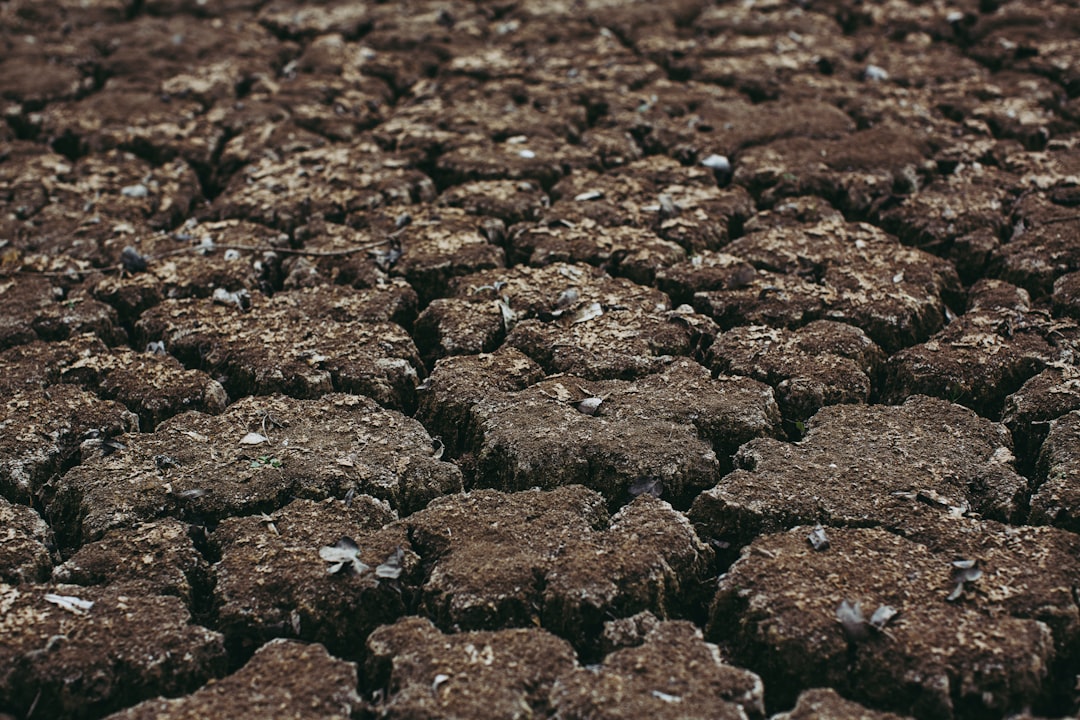
Erosion along creek banks is a pervasive environmental issue, driven by a combination of natural forces and human actions. The primary culprit is often the sheer force of flowing water, especially during heavy rains or flood events, which can scour away loose soil and sediment. Other factors include the absence of stabilizing vegetation, which provides critical root networks, and disturbances like foot traffic or livestock grazing that destabilize the soil. When these forces are at play, the consequences can be far-reaching: diminished water quality due to increased sediment runoff, loss of vital aquatic and riparian habitats, and the gradual undermining of adjacent properties, leading to significant structural damage. Addressing erosion isn’t just about preserving land; it’s about maintaining ecological balance and protecting infrastructure.
Rocks offer a robust and natural defense against these erosive forces. Unlike temporary solutions, well-placed rocks provide immediate stability, dissipating the energy of flowing water and shielding the underlying soil from direct contact. Their weight and interlocking nature create a formidable barrier, resisting the constant pull and scour of the current. Moreover, when selected carefully, rocks can integrate seamlessly into the natural aesthetic of the creek, providing stable microhabitats for various species and serving as a foundation for revegetation efforts. Understanding these dynamics is the first step toward a successful erosion control project.
Essential planning and preparation
Before any rock touches the ground, meticulous planning and preparation are paramount. This phase dictates the success and longevity of your erosion control efforts. Begin with a thorough site assessment. Observe the creek’s flow patterns during both low and high water, identify the most severely eroded areas, and assess the bank’s slope and soil composition. Pay close attention to existing vegetation and any signs of past repair attempts. This initial reconnaissance will inform your rock selection and placement strategy.
Crucially, permits are almost always required for any work within a waterway or its immediate vicinity. Contact your local environmental protection agency, county planning department, or conservation authority. They will provide guidelines, regulations, and often offer valuable technical assistance to ensure your project complies with environmental laws and doesn’t inadvertently harm the ecosystem.
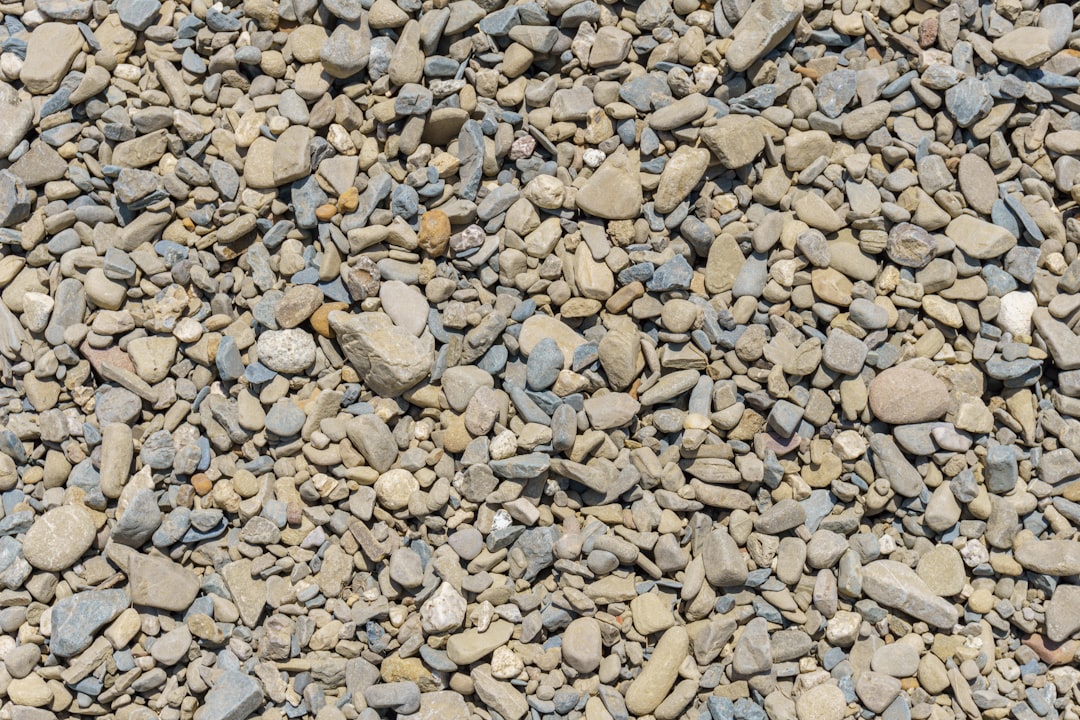
Next, consider your rock selection. The best rocks for creek bank stabilization are typically dense, angular, and resistant to weathering. Angular rocks tend to interlock better, creating a more stable structure than smooth, rounded river stones. Size is also important; larger rocks are needed for the toe of the bank (at the waterline) and in areas of higher flow. Common choices include granite, basalt, or durable local fieldstone. The following table provides a brief overview of rock types and their suitability:
| Rock Type | Key Characteristics | Suitability for Creek Banks |
|---|---|---|
| Granite | Hard, dense, extremely durable, available in angular or rounded forms. | Excellent for high-flow areas; very resistant to weathering and chemical erosion. |
| Basalt | Very dense, dark, strong interlocking potential when angular. | Highly effective for heavy erosion; forms strong, stable structures. |
| Limestone | Softer than granite/basalt, can be porous; weathers over time. | Best for lower-flow areas; avoid in acidic water as it can dissolve. |
| Sandstone | Varies significantly in hardness and durability; often layered. | Depends on specific type; assess local examples for resistance to breaking/weathering. |
Finally, gather your tools and materials. Beyond the rocks themselves, you’ll need shovels, pry bars, heavy-duty gloves, and potentially a wheelbarrow or skid steer for moving larger stones. Geotextile fabric is a critical component; it’s a permeable material laid beneath the rocks that prevents soil from washing out through the gaps while allowing water to drain. Before rock placement, the bank may need to be reshaped to a stable slope, typically no steeper than 2:1 (two feet horizontal for every one foot vertical), creating a proper foundation for the rock armour.
Strategic rock placement techniques
The effectiveness of your erosion control depends heavily on the thoughtful and strategic placement of each rock. This isn’t merely about dumping stones; it’s an exercise in engineering and natural design. Always begin at the toe of the bank, the lowest point where the bank meets the water. This foundation is crucial as it anchors the entire structure against the erosive forces of the creek.
Before placing the rocks, lay down your geotextile fabric. This fabric should extend from the toe of the bank up the slope, covering the entire area where rocks will be placed. Overlap seams by at least one foot to ensure continuous coverage. The fabric acts as a filter layer, preventing fine soil particles from washing out from behind and between the rocks, which would undermine their stability over time. It allows water to pass through, relieving hydrostatic pressure without losing soil.
With the fabric in place, start positioning the largest, heaviest rocks at the toe, keying them into the streambed if possible to prevent undercutting. As you work your way up the bank, focus on interlocking the rocks. Each rock should be nestled firmly against its neighbors, creating a tight, stable matrix. Think of it like building a dry-stack wall, but with less uniformity. Use a variety of rock sizes; larger stones provide the bulk and stability, while smaller, angular rocks can be used to fill gaps and wedge the larger stones into place, enhancing the interlocking effect. Avoid creating large voids where water can concentrate and cause erosion behind the rock layer.
Ensure the rocks are placed at a stable slope. While the fabric prevents washout, a steep angle can lead to rocks slumping or rolling. The finished rock layer, often referred to as riprap, should be robust and irregular, designed to dissipate the energy of flowing water rather than reflecting it. If you’re building a multi-layered structure, ensure each layer is properly seated and integrated with the one below it. The goal is to create a unified, impenetrable shield that can withstand the creek’s force.
Integrating vegetation and long-term maintenance
While rocks provide immediate structural stability, the most effective and aesthetically pleasing erosion control solutions often involve a synergistic approach that integrates vegetation. This practice, known as bioengineering, combines the hard armor of rocks with the binding power of plant roots to create a living, self-repairing system. After the primary rock placement is complete, consider planting native riparian species in and around the rock matrix. Deep-rooted grasses, shrubs, and trees suitable for creek bank environments will further stabilize the soil, enhance wildlife habitat, and improve the visual appeal of your project.
Select plants that are indigenous to your region and thrive in wetland or riparian zones. Species like willows, dogwoods, sedges, and certain native grasses are excellent choices. Plant them in any available soil pockets between larger rocks or along the top edge of the riprap where the bank transitions to unarmored ground. Their roots will grow through the geotextile fabric and into the soil, forming a living network that holds everything together and prevents erosion from behind the rocks.
Long-term maintenance is crucial to ensuring the continued effectiveness of your rock stabilization project. Perform initial inspections after the first few significant rainfall events. Check for any dislodged rocks, signs of soil washout behind the fabric, or new areas of erosion appearing adjacent to your project. Address these issues promptly by resetting rocks or adding more material as needed. Ongoing periodic assessments should be part of your routine. Look for invasive weeds that might take root, as they can outcompete native plants and destabilize the bank. Manage sediment build-up in front of or within the rock layer, which could alter flow patterns or bury vegetation.
By regularly monitoring and maintaining your rock and vegetation system, you not only protect your investment but also foster a healthy, thriving creek environment. This holistic approach ensures the longevity of your erosion control efforts and contributes to the overall ecological integrity of the waterway.
Protecting creek banks from erosion is a vital undertaking that safeguards both natural ecosystems and human properties. By carefully planning and implementing a rock stabilization project, you can effectively mitigate the destructive forces of water and weather. The process, from understanding the causes of erosion to the strategic placement of each stone and the thoughtful integration of native vegetation, demands attention to detail and a commitment to environmental stewardship. Remember to always begin with a thorough site assessment, secure the necessary permits, and select appropriate rock types. Employing proper techniques for laying geotextile fabric and interlocking rocks will create a robust, resilient barrier. Finally, integrating native plants and committing to ongoing maintenance will ensure the long-term success and ecological benefits of your efforts. With this comprehensive approach, you’ll create a stable, vibrant creek bank that withstands the test of time, fostering a healthier environment for all.