Root aphids, a subterranean menace often overlooked, can wreak havoc on beloved plants, slowly sapping their vitality from below the soil line. Unlike their more visible above-ground cousins, these pests are challenging to detect until significant damage has occurred, leading to stunted growth, yellowing leaves, and a general decline in plant health. For many gardeners and plant enthusiasts, finding an effective yet relatively safe solution is paramount. This article delves into the potential of hydrogen peroxide as a treatment for root aphids, exploring its mechanisms, practical application methods, and important considerations to ensure both pest eradication and plant well-being. We will unravel how this common household item might be a powerful ally in your fight against these elusive plant adversaries.
Understanding the insidious threat: root aphids
Root aphids (Pemphigus spp. and others) are tiny, pear-shaped insects that primarily feed on plant roots, drawing out vital sap and causing significant stress. They secrete a sugary substance called honeydew, which can attract ants (often a tell-tale sign of an infestation) and lead to sooty mold growth on the roots. Their underground nature makes them particularly difficult to identify in the early stages; symptoms often mimic nutrient deficiencies or watering issues, such as wilting, yellowing, or stunted growth. Plants may appear generally unhealthy without an obvious cause above ground. These pests multiply rapidly, with females laying eggs or giving birth to live young without mating, allowing populations to explode quickly. Their protective waxy coating further complicates treatment, as many conventional insecticides struggle to penetrate this barrier.
Hydrogen peroxide: a scientific approach to pest management
Hydrogen peroxide (H₂O₂) is a compound of hydrogen and oxygen, known for its strong oxidizing properties. When applied to root aphids, it works by rapidly releasing an extra oxygen atom, which disrupts and breaks down the cellular structure of the soft-bodied insects upon contact. This oxidation essentially suffocates and disintegrates the pests. Beyond its direct impact on aphids, hydrogen peroxide offers additional benefits to plants. The release of oxygen helps to aerate the soil, which can improve root health and discourage anaerobic pathogens. Furthermore, H₂O₂ acts as a mild disinfectant, potentially combating root rot and other fungal or bacterial issues that often accompany stressed plants or overwatering. Its short half-life means it breaks down into water and oxygen, leaving no harmful residues in the soil, making it an attractive option for environmentally conscious growers, provided proper dilution is maintained.
Effective application strategies and dilution guidelines
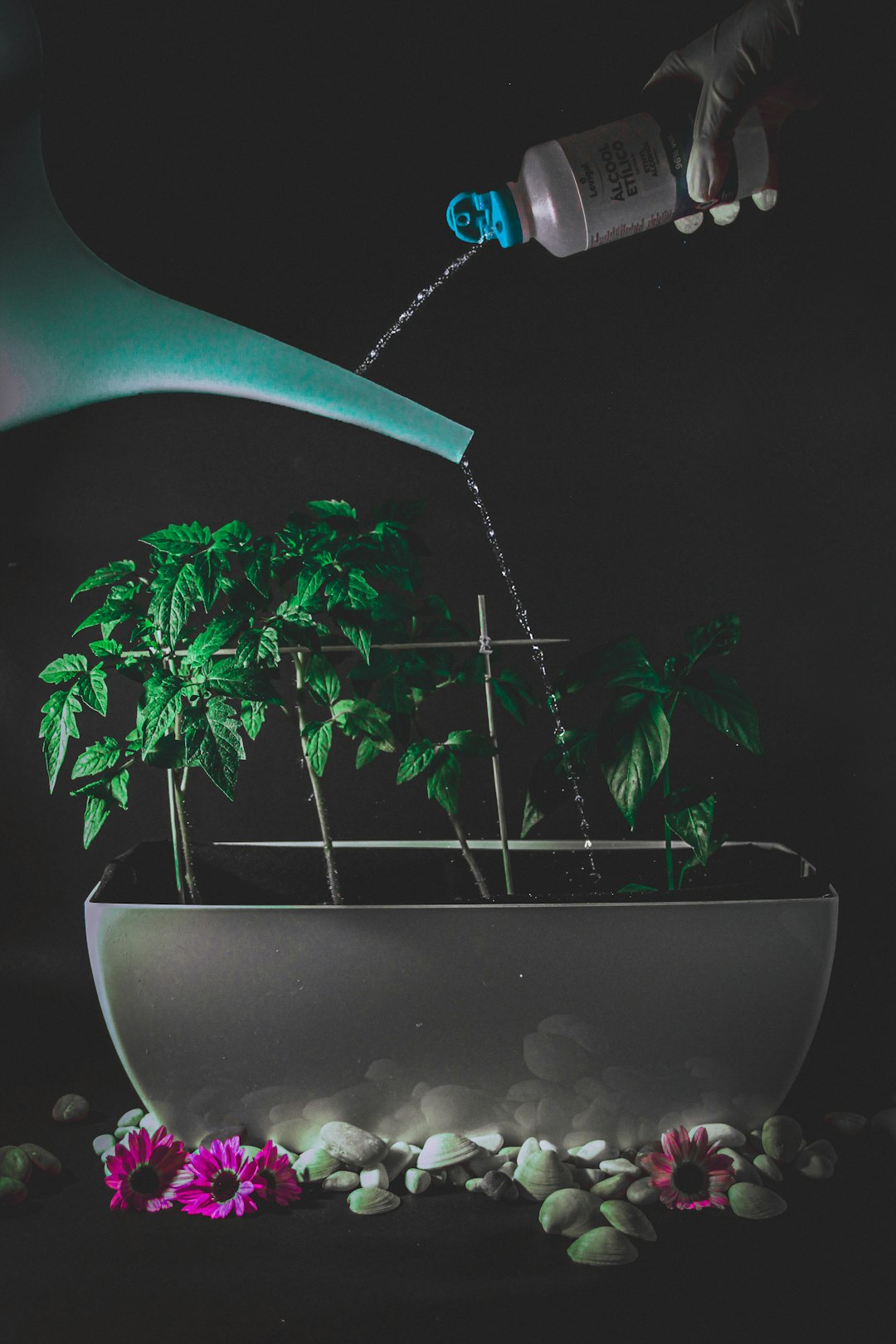
Proper dilution is absolutely critical when using hydrogen peroxide on plants to avoid phytotoxicity (plant damage). For most common household 3% hydrogen peroxide solutions, a safe starting point for treating root aphids is a dilution ratio of 1 part 3% H₂O₂ to 4 parts water. For more severe infestations, this can be increased to 1 part H₂O₂ to 2 parts water, but always proceed with caution. The application method typically involves a soil drench: thoroughly watering the plant’s soil with the diluted solution until it drains from the bottom. This ensures the solution reaches the root zone where the aphids reside. Before widespread application, it is highly advisable to test the diluted solution on a small, inconspicuous part of the plant or a single plant if you have many, observing for any adverse reactions over 24-48 hours. Repeat applications, usually every 5-7 days for 2-3 weeks, may be necessary to target newly hatched aphids from eggs that might have survived the initial treatment. Always ensure the soil is not completely dry before application, but also avoid overwatering.
The following table provides general dilution guidelines for a standard 3% hydrogen peroxide solution:
| Severity of Infestation | Dilution Ratio (3% H₂O₂ : Water) | Application Frequency |
|---|---|---|
| Mild to moderate | 1 part H₂O₂ to 4 parts water | Once a week for 2-3 weeks |
| Moderate to severe | 1 part H₂O₂ to 2 parts water | Every 5-7 days for 3 weeks (use with caution) |
| Preventative/soil aeration | 1 part H₂O₂ to 10 parts water | Once every 2-4 weeks (light drench) |
Important considerations and long-term plant health
While hydrogen peroxide can be an effective tool against root aphids, it is not a magic bullet and should be part of a broader integrated pest management strategy. Overuse or excessively strong concentrations can damage beneficial soil microbes and potentially harm sensitive plant roots, leading to leaf burn or general stress. Always ensure good ventilation when working with H₂O₂. After treating, focus on promoting strong plant health, as robust plants are naturally more resistant to pests. This includes providing adequate light, appropriate watering (avoiding both drought and waterlogging), and balanced fertilization. Consider incorporating beneficial insects like rove beetles or commercially available predatory nematodes into your soil, as they are natural predators of root aphids and their larvae. Regularly inspecting roots during repotting and isolating new plants before introducing them to your collection can also help prevent future infestations, safeguarding your green companions for the long term.
In conclusion, hydrogen peroxide offers a viable and often overlooked solution for tackling the elusive problem of root aphids. Its oxidizing action provides an effective means of pest eradication, while its ability to aerate soil and act as a mild disinfectant offers additional benefits for plant health. However, success hinges entirely on careful application and strict adherence to proper dilution ratios to prevent harming your plants. We explored the insidious nature of root aphids, the scientific basis of H₂O₂ as a pest control agent, and practical steps for its effective deployment, including a detailed dilution table. Ultimately, while hydrogen peroxide can be a powerful ally, it is best integrated into a comprehensive pest management strategy. Combine its use with good cultural practices and, where appropriate, biological controls to foster resilient plants that can better withstand future pest challenges. With knowledge and careful execution, you can protect your plants from these hidden adversaries and cultivate thriving greenery.
Image by: Buddy AN