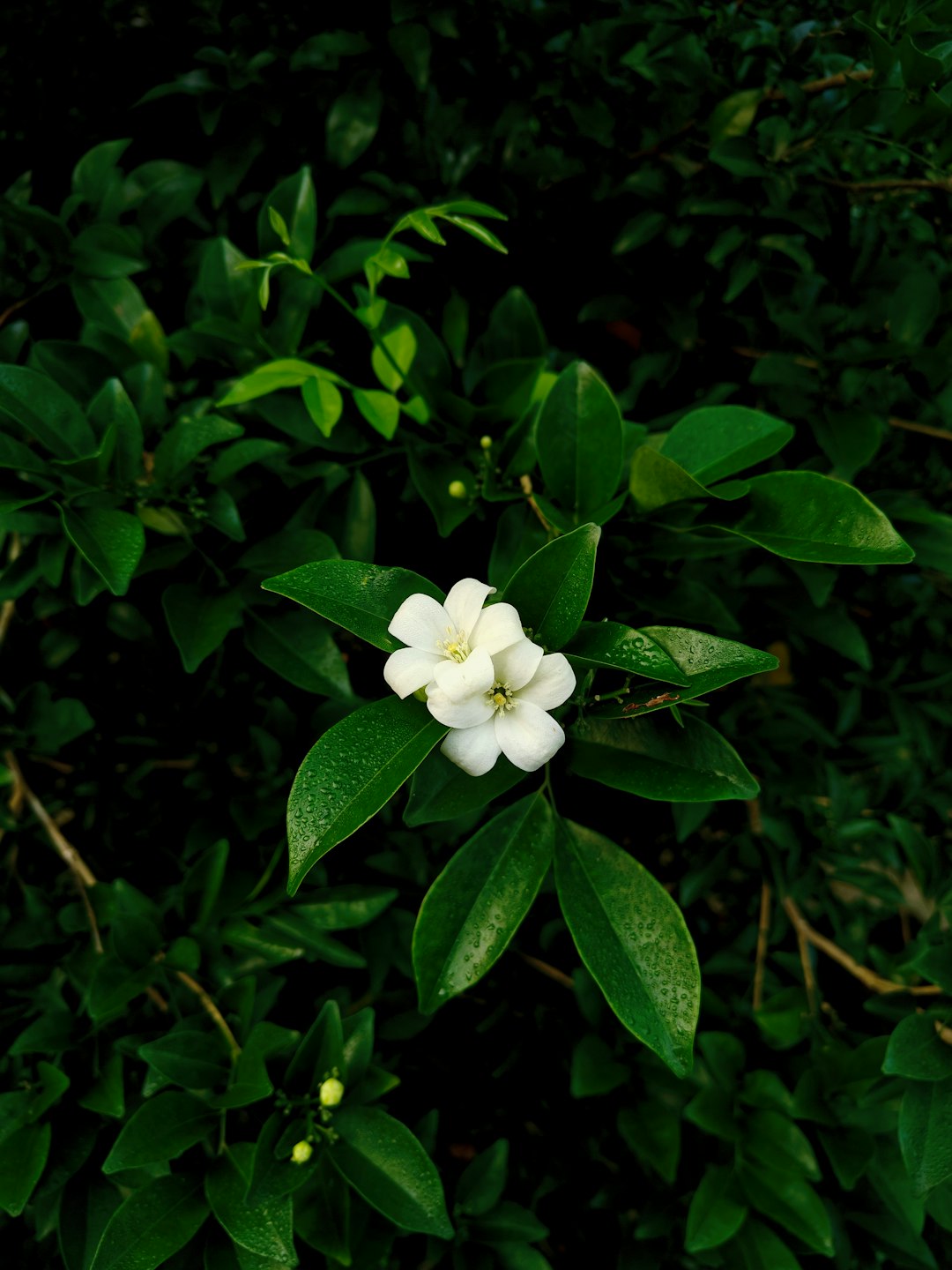
The enchanting Radermachera sinica, commonly known as the China Doll plant, captivates indoor gardeners with its lush, vibrant green foliage and delicate appearance. Originating from the subtropical mountains of southern China and Taiwan, this fast-growing plant can bring a touch of the exotic to any home or office space. However, to maintain its compact, bushy form and ensure its long-term health, regular pruning is not just beneficial, but essential. Without proper attention, China Doll plants can quickly become leggy and sparse, losing their appealing density. This guide will walk you through the essential techniques and timing for pruning your China Doll plant, transforming a potentially unruly shrub into a beautifully sculpted and thriving botanical specimen, enhancing both its aesthetic appeal and vitality.
Understanding your china doll plant and why prune it
The China Doll plant is renowned for its rapid growth rate, which is both a blessing and a challenge for indoor cultivation. In its natural habitat, it can grow into a sizable tree, but as a houseplant, we aim to keep it manageable and aesthetically pleasing. Understanding its growth habit is the first step toward effective pruning. It tends to produce long, somewhat brittle stems with clusters of glossy, pinnate leaves, and if left unchecked, these stems can quickly elongate, leading to a lanky, unbalanced appearance.
There are several compelling reasons why pruning is indispensable for your China Doll plant:
- Maintaining size and shape: This is perhaps the most immediate benefit. Regular trimming prevents the plant from outgrowing its designated space and helps it maintain a desired, compact form.
- Promoting bushiness: When you cut back a stem, you stimulate the growth of lateral (side) shoots. This process is crucial for creating a denser, fuller canopy, making your plant look more robust and appealing.
- Removing dead or diseased foliage: Any part of the plant that is discolored, dried, or shows signs of disease should be promptly removed. This not only improves the plant’s appearance but also prevents potential diseases from spreading to healthy parts.
- Improving air circulation: A dense, unpruned plant can have poor air circulation within its canopy, creating a humid environment that is ideal for pests and fungal diseases. Pruning helps open up the plant, allowing air to move freely.
- Rejuvenation: For older plants that have become particularly leggy and sparse over time, a more significant pruning session can stimulate a flush of new, vigorous growth, effectively giving the plant a new lease on life.
By integrating regular pruning into your China Doll plant care routine, you are actively participating in its health and contributing to its long-term beauty.
The right tools and timing for pruning
Successful pruning begins with having the correct equipment and knowing when to use it. Using the wrong tools or pruning at an inappropriate time can stress your plant and hinder its recovery.
First, let’s talk about tools. For a China Doll plant, which typically has relatively thin stems, a good pair of bypass pruners is usually sufficient. Bypass pruners create a clean, scissor-like cut, which is essential for minimizing damage to the plant tissue. Avoid anvil pruners, which can crush stems. Ensure your pruners are:
- Sharp: A dull blade will tear and bruise the stems, making the plant more susceptible to disease and prolonging healing.
- Clean: Always sterilize your pruning tools before and after use, especially if you are pruning multiple plants. A simple wipe-down with rubbing alcohol (70% isopropyl alcohol) on a clean cloth will suffice. This prevents the transfer of diseases between plants or from infected parts of the same plant to healthy sections.
You might also want a pair of gardening gloves to protect your hands, though the China Doll plant is not known for thorns or irritating sap.
Next, timing is crucial. The best time for significant pruning of your China Doll plant is typically in late winter or early spring, just before its active growing season begins. This timing allows the plant to recover quickly and channel its energy into producing new growth. Pruning at this time encourages a flush of new foliage and ensures that the plant will look full and vibrant throughout the warmer months.
You can also perform light pruning and maintenance cuts throughout the year. For instance, removing yellowing leaves, small dead twigs, or making minor shaping adjustments can be done whenever you notice the need. However, avoid heavy pruning in late fall or winter, as the plant is entering a period of dormancy, and recovery will be slower, potentially stressing the plant. This could leave it vulnerable to pests or diseases during its less active phase.
Step-by-step pruning techniques for health and shape
With your clean, sharp tools ready and the timing right, you can now approach the pruning process with confidence. Always have a clear objective in mind, whether it’s encouraging bushiness, removing dead material, or simply maintaining a compact size.
- Initial assessment: Before making any cuts, step back and examine your plant. Look for any dead, yellowing, or diseased leaves and stems. Identify any branches that are growing inward, crossing other branches, or making the plant look unbalanced and leggy. Visualize the shape you want to achieve.
- Sterilize your tools: Always begin by wiping your bypass pruners with rubbing alcohol. Repeat this step if you’re moving between different plants or if you suspect you’ve cut through diseased tissue.
- Removing dead, diseased, or damaged branches: This is the first and most important step for the plant’s health. Cut these branches back to healthy wood or to the main stem. Make the cut about 1/4 inch above a leaf node (the point where a leaf or branch grows from the stem) or a main stem, ensuring no stub is left behind that could become an entry point for disease.
- Pinching for bushiness: To encourage your China Doll plant to grow fuller and bushier, you’ll want to employ “tip pruning” or “pinching.” This involves simply snipping off the very tips of young, healthy stems. Make your cut just above a set of leaves or a leaf node. Each cut will typically encourage two new shoots to emerge from that node, leading to a denser plant. This is particularly effective on younger plants or areas where you want to increase foliage density.
- Hard pruning for size and rejuvenation: If your plant has become significantly leggy, overgrown, or sparse, a more substantial prune might be necessary. You can reduce the overall height and width of the plant by cutting back longer stems. When doing this, cut back to a healthy leaf node that is facing the direction you want new growth to go (usually outward). A general rule of thumb is not to remove more than one-third, or at most half, of the plant’s total foliage at once to avoid shocking it. This type of pruning is best done in early spring to give the plant ample time to recover and regrow vigorously.
- Shaping and aesthetics: As you prune, continuously step back to assess the overall shape. Aim for a balanced, aesthetically pleasing form. Remove any branches that detract from the desired shape or make the plant appear too dense in one area.
To help visualize different pruning goals, consider the following guide:
| Pruning Goal | Technique | Cut Location | Best Time |
|---|---|---|---|
| Encourage Bushiness | Tip Pruning / Pinching | Just above a leaf node on young stems | Anytime during active growth |
| Remove Dead/Diseased Parts | Removal Cuts | Back to healthy wood or main stem | As soon as noticed |
| Reduce Size / Rejuvenate | Hard Pruning | Above an outward-facing leaf node, removing up to 1/3 to 1/2 of plant | Late winter / Early spring |
| Maintain Shape | Light Trimming | Selective cuts to maintain desired form | Throughout the year |
Post-pruning care and common mistakes to avoid
Once you’ve finished pruning your China Doll plant, the care you provide in the immediate aftermath is crucial for its recovery and the successful generation of new growth. Proper post-pruning care helps minimize stress and ensures your plant bounces back stronger and healthier.
Here’s what to do after pruning:
- Watering: Ensure the plant is adequately watered. While you don’t want to overwater, a plant that has just been pruned will be working hard to heal its cuts and produce new growth, requiring sufficient moisture. Check the soil moisture and water if the top inch or two feels dry.
- Fertilizing: After a significant pruning, you can encourage new growth by applying a diluted, balanced liquid fertilizer. Wait a week or two after pruning before fertilizing to give the plant a little time to recover from the initial shock.
- Light: Place your pruned China Doll plant in an area where it receives optimal light. Bright, indirect light is ideal for stimulating robust, compact new growth. Insufficient light after pruning can lead to weak, leggy new shoots.
- Monitoring: Keep a close eye on your plant for the next few weeks. Watch for signs of new growth, but also look out for any signs of stress, pests, or disease that might emerge as the plant recovers.
To ensure your pruning efforts are beneficial rather than detrimental, be aware of these common mistakes:
- Using dull or dirty tools: As emphasized earlier, this is perhaps the most common and damaging mistake. Dull tools create jagged wounds that are difficult for the plant to heal and provide easy entry points for pathogens. Dirty tools can transfer diseases.
- Pruning too much at once: While a hard prune can rejuvenate, removing more than half of the plant’s foliage in a single session can severely shock it, potentially leading to decline or even death. Pace your pruning if extensive reshaping is needed.
- Ignoring dead or diseased parts: Delaying the removal of unhealthy foliage can allow diseases to spread and weaken the entire plant.
- Pruning at the wrong time: Heavy pruning in late fall or winter can leave the plant vulnerable during its dormant period, as it lacks the energy reserves to heal effectively.
- Not having a plan: Randomly snipping branches without a clear vision for the plant’s health and shape can result in an uneven or aesthetically displeasing outcome.
By avoiding these pitfalls and providing attentive care, you’ll help your China Doll plant thrive beautifully after each pruning session.
Pruning your China Doll plant is far more than just a cosmetic exercise; it’s a vital aspect of its overall health and longevity. From maintaining its appealing bushy form to stimulating vibrant new growth and fending off potential diseases, strategic cuts play a pivotal role. We’ve explored the foundational reasons for pruning, ensuring you understand why each snip matters. We then delved into selecting the right, sterile tools and pinpointing the optimal times for both major reshaping and minor touch-ups, emphasizing the importance of timing for the plant’s swift recovery. The detailed step-by-step techniques provided equip you with the knowledge to make precise cuts, whether you’re encouraging bushiness or rejuvenating a leggy specimen. Finally, understanding post-pruning care and avoiding common missteps will ensure your efforts yield a thriving, beautiful plant. Embrace pruning as an ongoing conversation with your China Doll plant, a consistent practice that will reward you with a magnificent and enduring green companion.
Image by: Brett Jordan