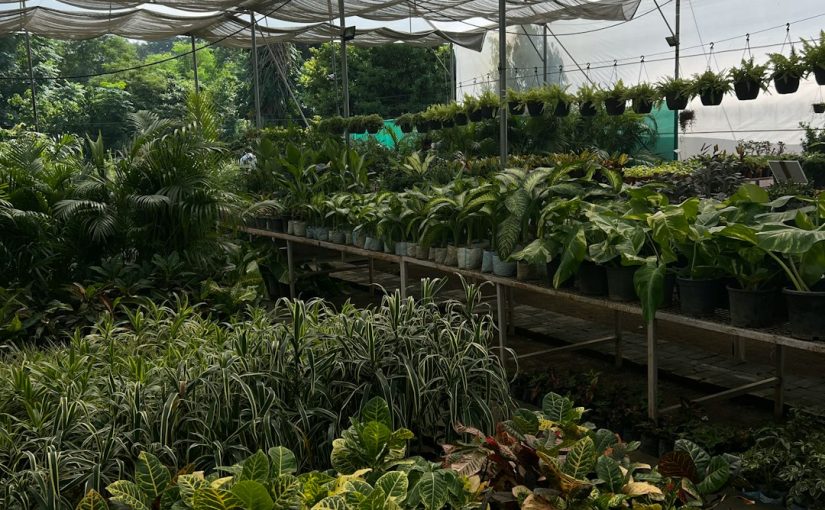
Many envision luscious raspberries thriving in cool, temperate climates, their vibrant red hues adorning bushes in regions that experience distinct seasons. But what happens when you introduce this beloved berry to the steamy, consistent warmth of a tropical climate? The question “Do raspberries grow in a tropical climate?” isn’t as straightforward as a simple yes or no. While conventional wisdom suggests these berries are fundamentally tied to colder temperatures and a period of winter dormancy, horticultural innovation and a deeper understanding of specific varieties reveal a more nuanced picture. This article will explore the inherent challenges and surprising possibilities of cultivating raspberries far from their traditional temperate homes, delving into the factors that dictate their growth and the methods that might just bring this delightful fruit to tropical gardens.
The natural habitat and physiological needs of raspberries
To understand the complexities of growing raspberries in tropical regions, it’s crucial to first appreciate their native environment and inherent physiological requirements. Most common raspberry varieties, particularly the commercially dominant Rubus idaeus (red raspberry) and Rubus occidentalis (black raspberry), are indigenous to temperate zones across North America, Europe, and Asia. These regions are characterized by four distinct seasons, including a cold winter period. This cold period is not merely a preference; it’s a fundamental biological necessity for many perennial plants, known as the chilling requirement.
During winter, raspberry canes enter a state of dormancy. This allows them to conserve energy and protect themselves from freezing temperatures. Crucially, this dormancy is broken by accumulating a specific number of “chilling hours,” typically defined as hours spent at temperatures between 0°C and 7°C (32°F and 45°F). Without sufficient chilling hours, the buds will not break properly in spring, leading to delayed or uneven bud break, poor flowering, and ultimately, significantly reduced fruit production or even plant death. For many standard varieties, this requirement can range from 800 to 1200 chilling hours, an amount rarely, if ever, met in true tropical lowlands.
Beyond chilling, raspberries prefer well-drained, slightly acidic to neutral soil, ample sunlight (but often appreciate some afternoon shade in hotter climates), and consistent moisture. Their shallow root systems are sensitive to waterlogging but also drought stress, making soil management a critical factor in any environment.
The inherent challenges in tropical environments
Cultivating raspberries in a consistently warm, humid tropical climate presents a formidable array of challenges that go far beyond the critical lack of chilling hours. The high temperatures themselves can stress the plants, inhibiting optimal photosynthesis and overall growth, as many temperate varieties are not adapted to continuous heat. Temperatures consistently above 30°C (86°F) can lead to scorched leaves, reduced pollen viability, and smaller, softer fruits with diminished flavor and shelf life.
Perhaps even more problematic than temperature is the pervasive high humidity. Tropical humidity creates an ideal breeding ground for fungal diseases, which raspberries are notoriously susceptible to. Powdery mildew, rusts, and various root rots can quickly decimate canes and entire plantings. The constant moisture on leaves and soil surface, coupled with warmth, accelerates disease cycles, making preventative measures and constant vigilance absolutely essential. Pests also thrive in tropical conditions, with common raspberry adversaries like spider mites, aphids, and various fruit flies reproducing rapidly year-round, posing an ongoing threat without the natural “reset” of a cold winter.
Another often overlooked issue is the lack of a distinct seasonal cue. Without a period of dormancy, temperate raspberry varieties may become confused, continuing to grow vegetatively without ever entering a reproductive phase or exhausting themselves by attempting continuous fruiting without a break. This can lead to weak, unproductive plants with a very short lifespan.
Adapting and overcoming – suitable varieties and strategies
Despite the inherent difficulties, growing raspberries in tropical or subtropical regions is not entirely an impossible dream, thanks to specific varieties and clever cultivation strategies. The key lies in selecting raspberry types that have either a low chilling hour requirement or are naturally adapted to warmer conditions.
One primary strategy involves utilizing primocane-fruiting (everbearing) varieties. Unlike traditional floricane-fruiting raspberries which bear fruit on second-year canes (floricanes) after a chilling period, primocane varieties produce fruit on the current season’s growth (primocanes). While they still benefit from some chilling, many primocane types have a significantly lower requirement, making them more adaptable to marginal warm climates. Varieties like ‘Dormanred’, ‘Bababerry’, ‘Mysore’ raspberry (Rubus niveus), and some newer experimental cultivars are often cited for their better performance in warmer regions, though ‘Mysore’ is technically a different species of Rubus and is particularly well-suited to hot, humid conditions.
For true tropical zones, the focus often shifts to high-altitude areas. Even near the equator, elevations of 1,000 meters (3,300 feet) or more can provide cooler temperatures and sufficient diurnal temperature swings to satisfy modest chilling requirements and alleviate heat stress. Creating microclimates through careful siting, such as planting on north-facing slopes (in the Northern Hemisphere) or providing afternoon shade with shade cloth or taller companion plants, can also help mitigate excessive heat.
Another fascinating option is exploring native or less common Rubus species that are naturally found in tropical or subtropical regions. The ‘Mysore’ raspberry (Rubus niveus), for example, is a tropical blackberry native to Southeast Asia and is much more tolerant of heat and humidity than temperate raspberries, although its fruit is typically smaller and darker. Similarly, Rubus rosifolius, also known as the ‘Mauritius’ raspberry or ‘Roseleaf’ raspberry, is another tropical species that thrives in warm climates and produces small, edible red berries. These species offer alternatives for those in climates where traditional raspberries simply won’t perform.
| Raspberry Type / Species | Typical Chilling Hours Required | Temperature Tolerance | Suitability for Tropical Climates |
|---|---|---|---|
| Standard Floricane (e.g., ‘Heritage’) | 800-1200 | Temperate (cool summers, cold winters) | Poor (requires significant cold dormancy) |
| Low-Chill Primocane (e.g., ‘Dormanred’, ‘Bababerry’) | 200-500 | Warm temperate to subtropical | Moderate (requires some elevation/microclimate) |
| Mysore Raspberry (Rubus niveus) | 0-50 | Tropical to Subtropical (heat & humidity tolerant) | Good (true tropical adaptation) |
| Roseleaf Raspberry (Rubus rosifolius) | 0-50 | Tropical to Subtropical (heat & humidity tolerant) | Good (true tropical adaptation) |
Cultivation tips for success in warm climates
Successfully growing raspberries in a challenging warm climate demands meticulous attention to specific cultural practices. Soil preparation is paramount; raspberries need well-draining soil to prevent root rot, which is exacerbated by tropical rainfall. Amending heavy soils with organic matter like compost, sand, or perlite can significantly improve drainage and aeration. Raised beds are often an excellent solution, as they naturally enhance drainage and allow for better control over soil composition.
Watering must be consistent but not excessive. While raspberries are thirsty plants, especially when fruiting, high humidity and frequent tropical downpours can quickly lead to waterlogging. Monitoring soil moisture and adjusting irrigation is key. Overhead irrigation should be avoided if possible to minimize leaf wetness and reduce the incidence of fungal diseases. Drip irrigation or soaker hoses are far superior.
Pruning strategies may need to be adapted. For primocane-fruiting varieties in warm climates that don’t experience a hard frost, canes may attempt to fruit continuously. A summer pruning strategy that involves cutting back old fruiting canes can encourage new growth and subsequent flushes of berries, preventing the plant from exhausting itself. Regular removal of weak or diseased canes also helps maintain plant vigor and air circulation, vital for disease prevention.
Pest and disease management will be an ongoing battle. Regular scouting for early signs of problems, good air circulation through proper spacing and pruning, and proactive organic sprays (like neem oil for pests or copper/sulfur for fungi) can help. In very hot areas, providing afternoon shade through shade cloth is crucial to protect plants from scorching sun and reduce heat stress, improving fruit quality and yield.
The journey of cultivating raspberries in a tropical climate is undeniably challenging, pushing the boundaries of what these temperate-loving plants typically require. As we’ve explored, the critical need for chilling hours, the oppressive heat, and the relentless humidity and associated diseases present significant hurdles to traditional varieties. However, the narrative shifts from an outright impossibility to a nuanced possibility when considering specific low-chill or tropical Rubus species, alongside strategic cultivation techniques. Farmers and home gardeners in high-altitude tropical regions or those willing to implement careful microclimate management and select adaptable varieties like ‘Dormanred’, ‘Bababerry’, ‘Mysore’, or ‘Roseleaf’ raspberries can indeed achieve success. While the bounty might not always match the prolific yields of temperate zones, the satisfaction of harvesting fresh raspberries, even in an unexpected climate, is a testament to horticultural ingenuity. Ultimately, growing raspberries in the tropics demands informed choices, diligent care, and a willingness to experiment, proving that with the right approach, this delightful berry can extend its reach far beyond its traditional cold-weather confines.
Image by: Sukriti Shonek