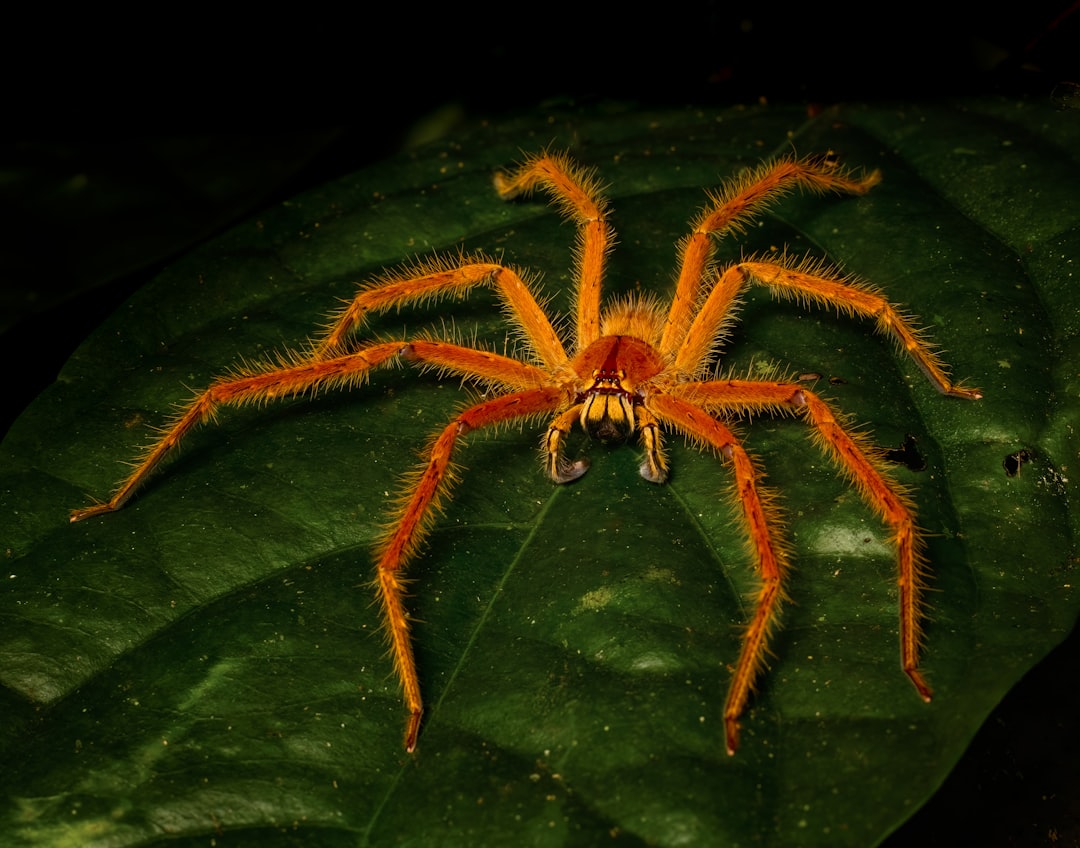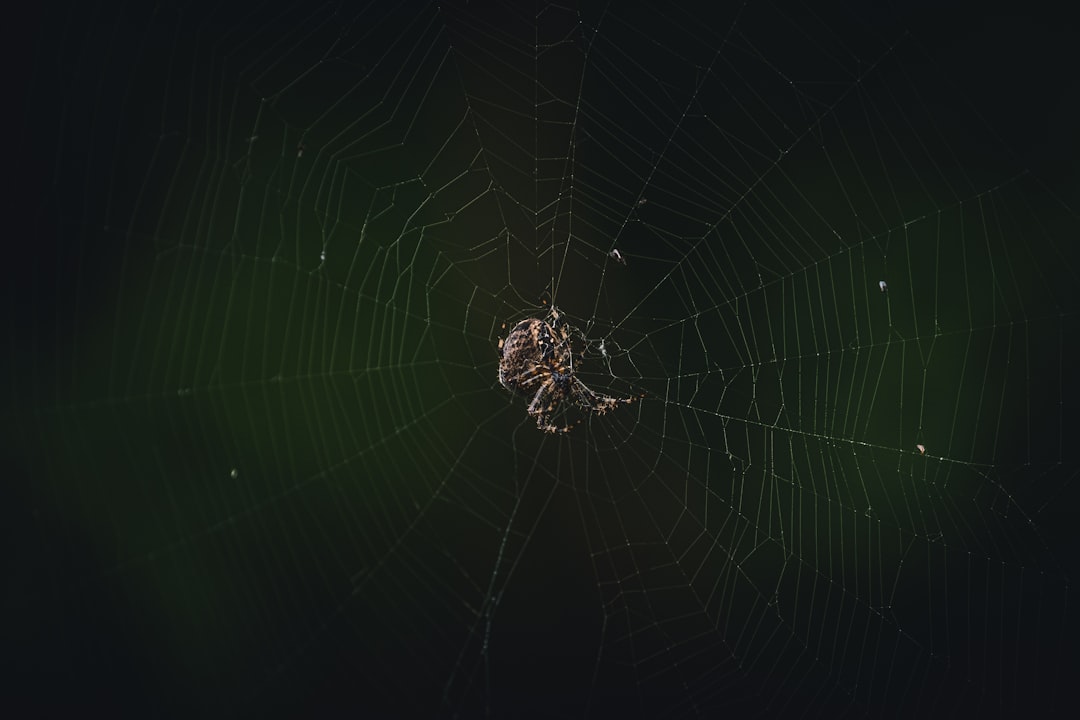
As expectant or new parents, our minds are constantly buzzing with a myriad of concerns, from feeding schedules to sleep regressions. Amidst this whirlwind, ensuring a safe and pristine environment for our little one is paramount. One less common but equally unsettling worry that can creep into a parent’s thoughts is the presence of spiders, especially near the sacred space of a baby’s crib. While most house spiders are harmless, their unexpected appearance can certainly cause distress and raise questions about safety. This article aims to provide comprehensive, actionable strategies on how to effectively keep spiders out of your baby’s crib and nursery, offering peace of mind through practical prevention and maintenance tips.
Understanding the presence of spiders in a nursery
The thought of spiders near your baby’s crib is understandably unsettling. However, it is important to understand that most spiders found indoors are common house spiders, typically seeking shelter, warmth, or food (other insects). They are generally non-aggressive and prefer to avoid human interaction. Nurseries, like any other room, can become attractive if there are undisturbed areas, clutter, or other small insects for them to prey upon. While truly dangerous spiders are rare indoors and even rarer near actively used furniture, the primary goal is prevention to eliminate any potential risk and, more importantly, to alleviate parental anxiety. Focusing on deterrence rather than eradication becomes the safest and most effective strategy when a baby’s health is involved.
The first line of defense: meticulous cleanliness and organization
Spiders thrive in environments where they can hide and find sustenance. Therefore, the cornerstone of spider prevention in a nursery is maintaining an impeccable level of cleanliness and organization. This extends beyond daily tidying. Regularly vacuuming and dusting are crucial, especially in less accessible areas. Pay particular attention to corners, behind furniture, under the crib, and along baseboards. Use a vacuum with a hose attachment to reach crevices where spiders might nest or lay eggs. Reducing clutter is equally important; spiders love piles of clothes, boxes, and toys, as these offer perfect hiding spots. Store items in sealed containers rather than open bins. Washing bedding frequently, including crib skirts and blankets, also removes any potential hitchhikers and disrupts spider activity. A clean nursery not only deters spiders but also contributes to a healthier overall environment for your baby.
Physical barriers and strategic crib placement
Beyond cleanliness, creating physical barriers and being strategic about your crib’s placement can significantly reduce the likelihood of spiders making their way into your baby’s sleep zone. Firstly, consider the crib’s location. Positioning the crib several inches away from walls and windows can create a buffer zone, as spiders often use these surfaces to travel. Inspect windows and doors for any gaps or cracks and seal them using caulk or weatherstripping; this prevents spiders and other insects from entering the room. For an added layer of protection, a crib canopy or netting specifically designed to keep insects out can be highly effective. Ensure the netting is securely tucked under the mattress or around the crib frame so there are no openings for pests. Additionally, avoid long crib skirts that touch the floor, as these can provide an easy bridge for spiders to climb up into the crib area. Opt for shorter skirts or none at all.
Natural deterrents and safe pest management
When considering deterrents for a nursery, safety is paramount. Harsh chemical pesticides are absolutely not an option. Fortunately, several natural and baby-safe options can help keep spiders at bay. Essential oils, such as peppermint, tea tree, and eucalyptus, are known spider repellents. Dilute a few drops of these oils in water and lightly mist around window sills, door frames, or on cotton balls placed out of reach. Cedar blocks or shavings, often used for clothes moths, also deter spiders and can be safely placed in dresser drawers or closets within the nursery. Another tactic involves installing sticky traps, but these must be used with extreme caution and placed only in areas completely inaccessible to your baby or pets, such as behind heavy furniture or inside cabinets that lock. Always prioritize non-toxic methods and consult a professional pest control service specializing in child-safe solutions if you suspect a significant infestation, ensuring they use integrated pest management (IPM) practices with minimal chemical intervention.
| Deterrent | Application Method | Safety Considerations |
|---|---|---|
| Peppermint essential oil | Dilute 10-15 drops in water, spray on cotton balls or around windows/doors (out of reach). | Use diluted. Keep bottles out of reach of children. |
| Tea tree essential oil | Dilute 10-15 drops in water, spray on cotton balls or around windows/doors (out of reach). | Use diluted. Keep bottles out of reach of children. |
| Eucalyptus essential oil | Dilute 10-15 drops in water, spray on cotton balls or around windows/doors (out of reach). | Use diluted. Keep bottles out of reach of children. |
| Cedar blocks/shavings | Place in drawers, closets, or on shelves (out of reach). | Ensure no small pieces that could be a choking hazard. |
| Sticky traps | Place *only* in inaccessible areas like behind heavy furniture or inside locked cabinets. | High caution needed. Ensure absolutely no child or pet access. |
Creating a spider-free zone around your baby’s crib is a journey rooted in vigilance and proactive measures. We’ve explored a multi-faceted approach, starting with the foundational importance of maintaining an impeccably clean and organized nursery, which naturally reduces hiding spots and food sources for spiders. We then moved to physical barriers and strategic crib placement, emphasizing how sealing entry points and thoughtful furniture arrangement can fortify your baby’s sleep space. Finally, we delved into safe, natural deterrents, offering eco-friendly options that prioritize your child’s well-being over harsh chemicals. By implementing these strategies consistently—from routine cleaning and decluttering to sealing cracks and considering natural repellents—you can significantly minimize the presence of spiders. This comprehensive approach not only helps to keep spiders at bay but also fosters a cleaner, safer, and more peaceful environment, allowing both you and your little one to rest easy with greater confidence.
Image by: Teo Zac