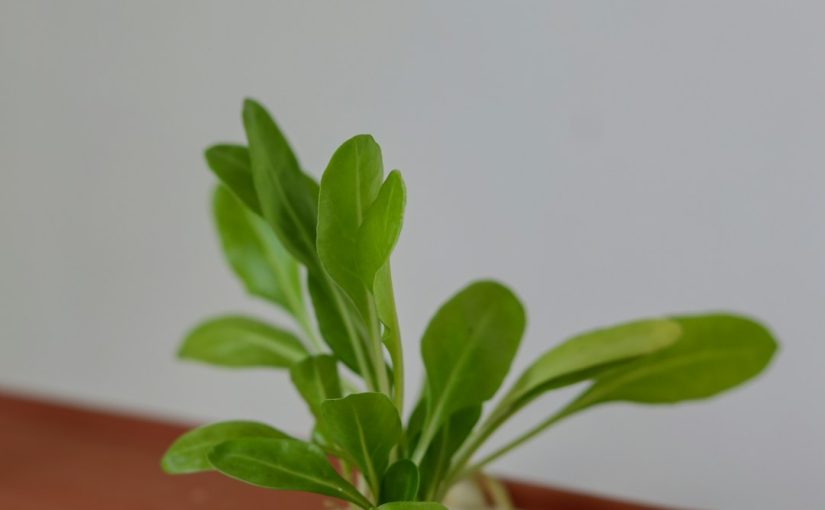
Exploring the remarkable characteristics of the sweet potato plant
The sweet potato, scientifically known as Ipomoea batatas, is far more than just a delicious and nutritious root vegetable gracing our tables. It is a fascinating plant with a unique set of botanical characteristics that have allowed it to thrive across diverse climates and become a staple crop globally. From its distinctive vining habit to its specialized storage roots and remarkable adaptability, understanding the sweet potato plant’s features provides insight into its agricultural success and nutritional value. This article will delve into the intricate details of the sweet potato’s anatomy, growth patterns, and environmental preferences, revealing the biological prowess behind this beloved food source and its incredible resilience as a cultivated crop.
A botanical overview and growth habit
Belonging to the morning glory family, Convolvulaceae, the sweet potato plant presents a highly adaptable and vigorous growth habit. Unlike its distant cousin, the common potato (which is a tuber), the sweet potato is a true root vegetable. Its stems are typically long, trailing, and vining, spreading across the ground and rooting at the nodes where they touch the soil. Some cultivated varieties, however, exhibit a more compact, bushy growth. The plant is a perennial in tropical climates but is most often grown as an annual in temperate regions, harvested before the first frost. Its rapid ground cover capabilities not only maximize photosynthetic efficiency but also help in weed suppression, making it an attractive choice for sustainable agriculture.
The distinctive root system: where flavor meets function
The sweet potato’s most defining characteristic lies beneath the soil in its specialized root system. It develops two primary types of roots: fibrous roots and adventitious storage roots. The fibrous roots anchor the plant and absorb water and nutrients from the soil, much like those of many other plants. The true marvel, however, is the development of the adventitious storage roots. These fleshy, enlarged roots are the edible portion of the plant, rich in starch, sugars, vitamins, and minerals. They form from modified stem tissue (nodes) rather than directly from the main taproot, differentiating them from true root tubers. These storage roots vary widely in shape, size, and skin/flesh color depending on the cultivar, ranging from elongated to round, and from purple to orange or white.
Leaves, stems, and their photosynthetic prowess
Above ground, the sweet potato plant displays a variety of leaf shapes and stem characteristics that contribute to its robust growth. The leaves are typically simple, alternately arranged, and can be heart-shaped, lobed, or deeply palmate, often varying even on the same plant depending on the cultivar and environmental conditions. Their color ranges from light green to deep purple, and they are highly efficient at photosynthesis, converting sunlight into energy that fuels the development of the storage roots. The stems are generally succulent and can range from thin and wiry to more robust, supporting the expansive foliage. In many cultures, the young leaves and shoots are also consumed as nutritious greens, highlighting the plant’s multi-purpose utility beyond its roots.
Flowering, propagation, and environmental resilience
While often propagated vegetatively, the sweet potato plant does produce flowers, though their occurrence can be infrequent, especially in cooler climates. These trumpet-shaped flowers, reminiscent of morning glories, come in shades of white, pink, or purple. Seed production is rare and typically reserved for breeding programs aimed at developing new varieties. For cultivation, sweet potatoes are primarily propagated from “slips,” which are sprouts grown from mature storage roots. This method ensures genetic consistency and rapid establishment. The plant’s remarkable environmental resilience is a cornerstone of its global success. It thrives in warm, humid climates, prefers well-drained, sandy loam soils, and exhibits notable drought tolerance once established. Its ability to produce a reliable crop in marginal soils and under challenging conditions makes it an invaluable food source in many parts of the world.
Here’s an overview of some key sweet potato plant requirements:
| Characteristic | Optimal Conditions | Notes |
|---|---|---|
| Soil Type | Well-drained, sandy loam | Avoid heavy, waterlogged soils to prevent root rot |
| Soil pH | 5.8 – 6.8 | Tolerates a slightly wider range (5.0 – 7.0) |
| Sunlight | Full sun (6-8 hours daily) | Essential for strong root development |
| Temperature | 21°C – 29°C (70°F – 85°F) | Sensitive to frost; thrives in warm conditions |
| Watering | Consistent, especially during root formation | Drought-tolerant once established, but yield benefits from regular moisture |
| Nutrients | Moderate nitrogen, higher potassium and phosphorus | Excess nitrogen can promote vine growth over roots |
Conclusion
In summary, the sweet potato plant, Ipomoea batatas, is a testament to nature’s ingenuity, boasting a suite of characteristics that solidify its status as a vital global food crop. From its vigorous vining stems and diverse leaf structures that efficiently capture sunlight, to its complex root system capable of producing highly nutritious storage roots, every aspect of its biology is geared towards productivity and resilience. Its ability to flourish in a range of challenging environments, requiring relatively little specialized care once established, underscores its importance in food security worldwide. Understanding these fundamental plant characteristics not only deepens our appreciation for this humble root vegetable but also informs better cultivation practices. The sweet potato’s inherent adaptability and nutritional richness ensure its continued role as a significant and sustainable food source for generations to come, truly making it a champion of the plant kingdom.
Image by: Mor Shani