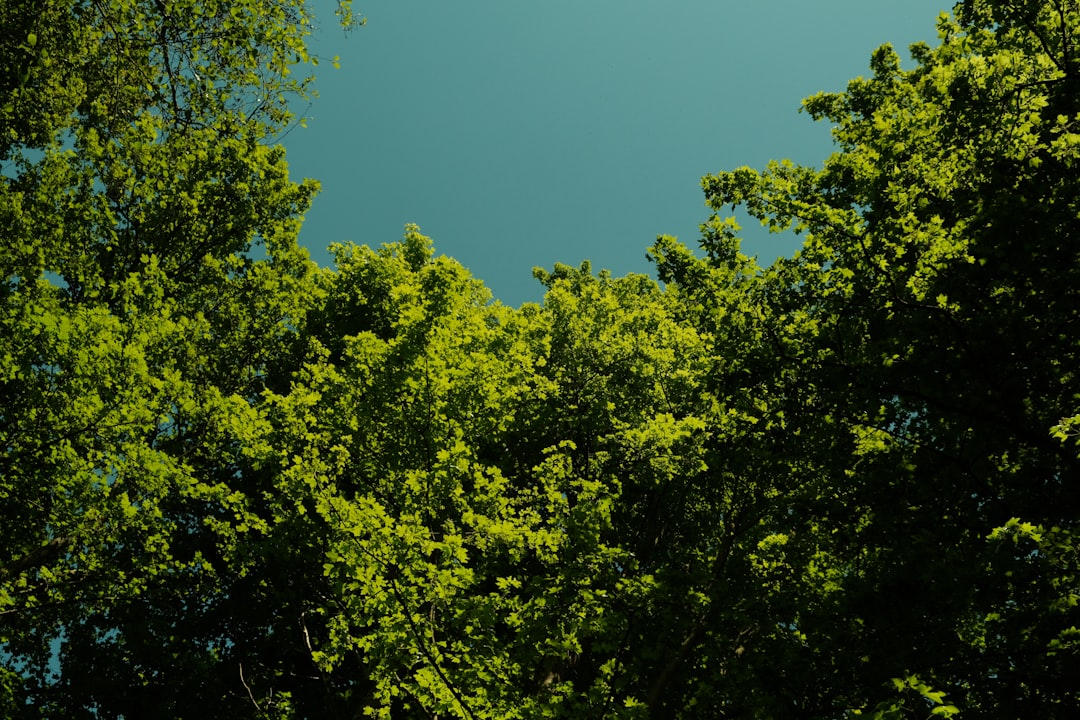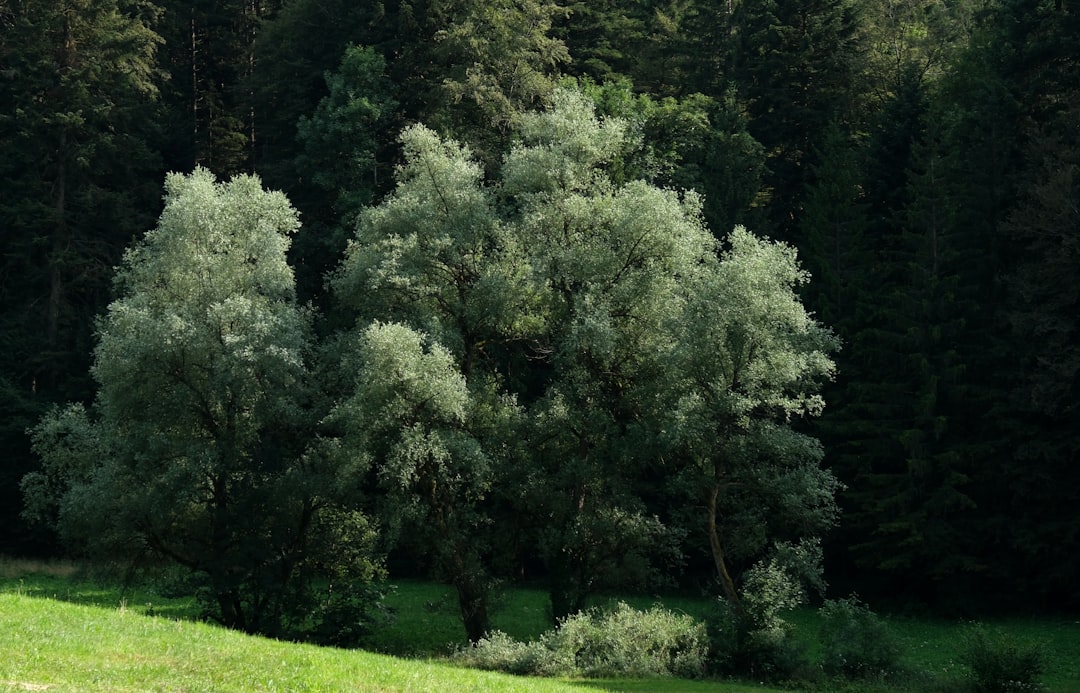
The Pacific Northwest, a region renowned for its breathtaking landscapes and verdant forests, owes much of its iconic beauty to an abundance of evergreen trees. Shaped by a temperate climate characterized by ample rainfall and mild temperatures, this area provides an ideal habitat for a diverse array of coniferous and broadleaf species that retain their foliage year-round. These resilient trees not only define the region’s aesthetic but also play crucial ecological roles, supporting vast ecosystems and contributing significantly to the local economy. Understanding the specific types of evergreens found here offers a deeper appreciation for the unique natural heritage of Oregon, Washington, and British Columbia. This article delves into the prominent evergreen trees that stand as silent sentinels across the PNW landscape.
The iconic conifers: Fir and spruce varieties
When one envisions the Pacific Northwest, images of colossal conifers often come to mind, and for good reason. The region is a stronghold for some of the world’s most impressive fir and spruce species, each with unique characteristics and ecological niches. Perhaps the most celebrated of these is the Douglas-fir (Pseudotsuga menziesii). Not a true fir, despite its name, the Douglas-fir is a majestic giant, often soaring over 250 feet tall with deeply furrowed bark and distinctive cones featuring prominent, three-pronged bracts. It dominates vast stretches of forest, valued for its strong timber and its role as a cornerstone species in numerous ecosystems across a wide range of elevations.
Another significant conifer is the Grand fir (Abies grandis), a true fir recognizable by its flat, shiny needles arranged in two distinct rows, giving its branches a soft, almost feathery appearance. This species thrives in moist, low to mid-elevation sites, often found alongside Douglas-fir and Western Red Cedar. Its needles emit a pleasant citrusy scent when crushed. Along the coast, the formidable Sitka spruce (Picea sitchensis) reigns supreme. As the largest spruce species in the world, it tolerates salt spray and strong winds, characterized by sharp, stiff needles and thin, scaly bark. Its impressive height and massive trunk make it a vital component of coastal rainforests, providing crucial habitat and protection against erosion.
Cedar’s enduring legacy in the pacific northwest
The cedars of the Pacific Northwest hold a special place, not only for their distinctive appearance and aromatic wood but also for their profound cultural significance to indigenous peoples. The most widely recognized is the Western red cedar (Thuja plicata), a tree celebrated for its soft, shreddy bark and flattened, scale-like foliage that forms graceful, drooping sprays. Its wood is naturally resistant to rot and insects, making it an invaluable resource for everything from canoes and totem poles to modern decking and siding. These trees prefer moist environments and can grow to impressive heights, often developing fluted, buttressed bases as they age.
Complementing the Western red cedar is the equally unique Alaska yellow cedar (Callitropsis nootkatensis), also known as Nootka cypress. This tree is typically found at higher elevations or in boggy, cooler coastal areas. Its branches have a more pronounced drooping habit, and its scale-like needles have a distinct, somewhat pungent aroma when crushed. The wood of the Alaska yellow cedar is highly prized for its exceptional strength, durability, and fine texture, making it valuable for specialty timber products, boat building, and even traditional carving. Both cedar species contribute significantly to the forest’s understory and overall biodiversity.
Pines, hemlocks, and other forest stalwarts
Beyond the dominant firs, spruces, and cedars, the Pacific Northwest boasts a variety of other evergreen trees that contribute to its rich forest tapestry. The Western hemlock (Tsuga heterophylla) is often described as the region’s most graceful conifer, identifiable by its drooping leader at the very top of the tree and its short, blunt, irregularly sized needles. It thrives in shaded, moist environments and is a prolific seeder, often regenerating extensively in the understory. At higher elevations, its cousin, the Mountain hemlock (Tsuga mertensiana), takes over, distinguished by denser, bluer needles and a more compact, spire-like form, perfectly adapted to harsh alpine conditions.
Pine species also contribute to the evergreen landscape. The Western white pine (Pinus monticola) is a magnificent tree characterized by its long, slender cones and needles grouped in bundles of five. Historically, it was a major timber species, though populations have been significantly impacted by white pine blister rust. The more adaptable Lodgepole pine (Pinus contorta) is widespread, found in various forms from the windswept coastal “shore pine” to the straight-trunked interior varieties. Its needles are in bundles of two, and many of its cones are serotinous, requiring heat from a forest fire to release their seeds, playing a crucial role in post-fire forest regeneration. While conifers dominate, the Pacific madrone (Arbutus menziesii) stands out as a striking broadleaf evergreen, with its smooth, reddish-brown bark that peels to reveal a lighter inner layer, shiny leathery leaves, and clusters of small red berries. It prefers drier, sunnier slopes, adding a unique texture and color to the evergreen scenery.
To summarize some of these magnificent species:
| Species Name | Typical Height (ft) | Needle/Leaf Type | Bark Description | Common Habitat |
|---|---|---|---|---|
| Douglas-fir | 150-250+ | Flat, spiraled, pointed | Thick, deeply furrowed, dark brown | Low-to-mid elevations, varied soils |
| Western red cedar | 100-200 | Scale-like, flattened sprays | Shreddy, fibrous, reddish-brown | Moist, low-to-mid elevations |
| Sitka spruce | 150-250+ | Sharp, stiff, pointed | Thin, scaly, purplish-gray | Coastal, near water, fog belts |
| Western hemlock | 100-175 | Short, blunt, irregular lengths | Thin, scaly, reddish-brown | Moist, shaded, low elevations |
| Pacific madrone | 20-100 | Broad, leathery, oval | Smooth, red, peeling, cinnamon-colored | Dry, rocky slopes, open woodlands |
Adapting to the pacific northwest climate
The remarkable diversity and prevalence of evergreen trees in the Pacific Northwest are not merely a coincidence; they are a direct result of intricate adaptations to the region’s distinctive climate. The PNW is characterized by mild, wet winters and warm, relatively dry summers, a pattern often referred to as a Mediterranean-type climate with a strong oceanic influence. Evergreen trees, particularly conifers, are superbly equipped to thrive under these conditions. Their needle-like or scale-like leaves possess a reduced surface area, minimizing water loss through transpiration during the drier summer months. Furthermore, many species feature a thick, waxy cuticle on their foliage, providing an additional layer of protection against desiccation and frost.
The ability to photosynthesize year-round, even during the cool, wet winters when deciduous trees have shed their leaves, gives evergreens a distinct advantage in the PNW. This continuous energy production allows them to grow steadily and efficiently, especially in environments where nutrient cycling can be slower in cooler temperatures. Their deep root systems anchor them firmly against the strong coastal winds, while their conical shapes allow heavy snow to shed easily, preventing branch breakage. These evolutionary traits collectively enable the evergreen trees of the Pacific Northwest to not only survive but also flourish and dominate, creating the verdant, resilient forests that define the region’s ecological identity.
The evergreen forests of the Pacific Northwest are a testament to nature’s resilience and diversity, offering a rich tapestry of life and beauty. From the towering Douglas-firs and the majestic Sitka spruces that dominate the skyline, to the culturally significant Western Red Cedars, the high-elevation Mountain Hemlocks, and the distinctive broadleaf Pacific Madrone, each species contributes uniquely to the region’s character. These trees are more than just timber; they are vital components of the ecosystem, providing habitat, purifying air, and regulating water cycles. Their enduring presence underscores the importance of conservation efforts to protect these irreplaceable natural treasures for future generations. Exploring these magnificent evergreens reveals the profound interconnectedness of the PNW’s vibrant natural world, inviting us to explore and cherish its green heart.
Image by: Naoki Suzuki