<p>The humble radish, a staple in salads and a delight for quick harvests, holds a fascinating array of botanical features that contribute to its distinctive taste and rapid growth. Beyond its crisp texture and peppery bite, <i>Raphanus sativus</i> exhibits a unique set of plant characteristics that make it a favorite among gardeners and consumers alike. Its remarkable adaptability and short cultivation period are directly linked to its inherent biological design. Understanding these specific traits—from its robust, nutrient-storing root system to its intricate foliage and surprisingly delicate flowers—is key to appreciating this versatile vegetable. This article delves into the core characteristics of the radish plant, exploring the specific attributes that define its structure, growth cycle, and ultimately, its widespread culinary appeal.</p>
<h2>The distinctive root system and edible parts</h2>
<p>At the heart of the radish plant’s appeal lies its most prominent characteristic: the swollen taproot. While many plants develop a taproot for anchorage and water absorption, the radish specifically modifies this structure for nutrient storage, making it the primary edible component. This root varies significantly in shape, size, and color depending on the cultivar. Shapes can range from perfectly round or spherical (e.g., Cherry Belle) to elongated and cylindrical (e.g., French Breakfast), or even conical (e.g., Daikon). Colors span a vibrant spectrum including classic reds, whites, purples, pinks, and even black varieties. The texture is typically crisp and firm, breaking with a satisfying snap. The characteristic peppery flavor, a result of glucosinolates and their breakdown products (isothiocyanates), is concentrated in this root, offering a sharp contrast to the usually milder interior flesh. This rapid development of the root is crucial for the plant’s survival strategy, allowing it to complete its life cycle swiftly.</p>
<h2>Foliage and stem structure</h2>
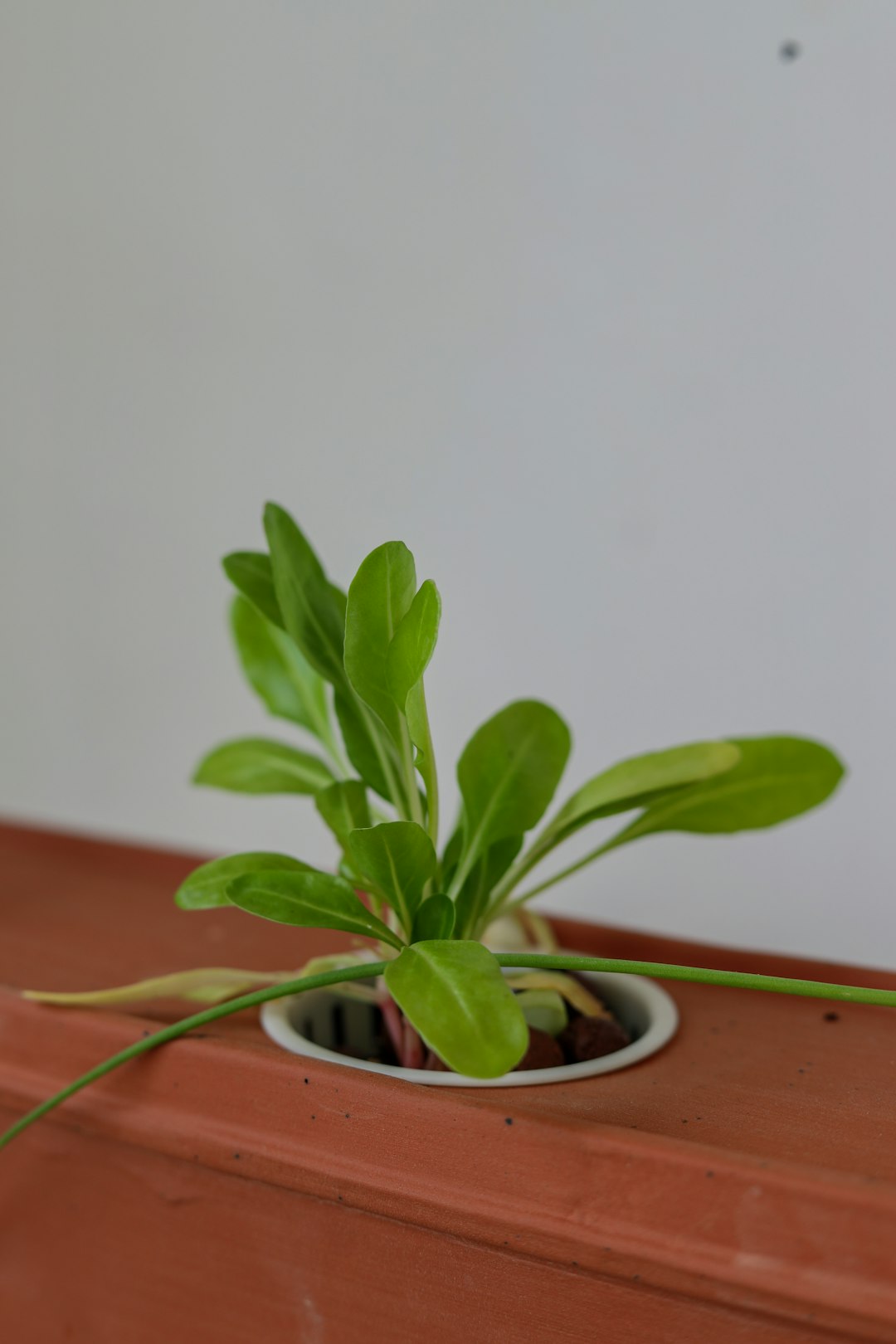
<p>Above ground, the radish plant presents a relatively unassuming yet efficient foliage structure. Radishes typically grow in a basal rosette formation, meaning their leaves emerge directly from the crown of the plant, close to the soil surface. The leaves are generally lobed or pinnately compound, often exhibiting a somewhat rough or hairy (pubescent) texture, which can be a distinguishing feature. Their color ranges from light to dark green, efficiently performing photosynthesis to support the rapid growth of the root. While the taproot is the star, the young leaves of many radish varieties are also edible and boast a slightly peppery flavor, similar to mustard greens. The main stem of the radish plant remains very short and undeveloped during the vegetative growth phase. It only elongates significantly, forming a flower stalk (a process known as bolting), when the plant transitions from producing its edible root to its reproductive phase, typically triggered by warmer temperatures or longer daylight hours.</p>
<h2>Flowering and seed production</h2>
<p>Once a radish plant bolts, its energy shifts from root development to reproduction. A central flower stalk rapidly emerges, bearing numerous small, delicate flowers. Radishes belong to the <i>Brassicaceae</i> (mustard) family, and their flowers exhibit the characteristic four-petaled, cross-shaped structure (hence the older name "cruciferous"). These flowers are typically white, pink, or purplish, often with contrasting veins. They are usually arranged in racemes—clusters of flowers borne along an elongated central axis. Pollination is primarily carried out by insects, leading to the formation of seed pods, technically known as siliques. These pods are elongated, can be somewhat inflated, and often have a distinct beak-like tip. Immature radish pods are surprisingly edible, offering a crisp, succulent texture and a milder peppery flavor than the root. Each pod contains several small, round seeds, which are the means by which the radish plant reproduces.</p>
<h2>Growth cycle and environmental considerations</h2>
<p>The radish plant is celebrated for its remarkably rapid growth cycle, a key characteristic that endears it to gardeners seeking quick gratification. Many varieties can mature from seed to edible root in as little as 20 to 30 days, though some larger or winter varieties take longer. Radishes generally thrive in cool weather, preferring temperatures between 50-65°F (10-18°C). They require full sun for optimal root development and well-drained, loose soil to prevent malformation and promote crispness. High temperatures or inconsistent watering can trigger bolting, causing the root to become woody, pithy, or overly pungent, as the plant prioritizes seed production over root enlargement. This sensitivity to environmental conditions underscores the plant’s delicate balance between vegetative and reproductive phases. Here is a brief look at some common radish varieties and their characteristics:</p>
<table>
<tr>
<th><b>Variety</b></th>
<th><b>Root Shape</b></th>
<th><b>Root Color</b></th>
<th><b>Flavor Profile</b></th>
<th><b>Growth Time (Days)</b></th>
</tr>
<tr>
<td>Cherry Belle</td>
<td>Round</td>
<td>Bright Red</td>
<td>Mild to peppery</td>
<td>22-25</td>
</tr>
<tr>
<td>French Breakfast</td>
<td>Cylindrical</td>
<td>Red with white tip</td>
<td>Mild, crisp, slightly sweet</td>
<td>23-28</td>
</tr>
<tr>
<td>Daikon</td>
<td>Long, cylindrical</td>
<td>White</td>
<td>Mild, slightly pungent</td>
<td>50-60</td>
</tr>
<tr>
<td>Black Spanish</td>
<td>Round to oblong</td>
<td>Black Skin, White Flesh</td>
<td>Pungent, spicy, earthy</td>
<td>55-65</td>
</tr>
</table>
<p>In summary, the radish plant, <i>Raphanus sativus</i>, is a marvel of efficiency and adaptation, characterized by its distinctive swollen taproot, often the most prized edible part. Its basal rosette of lobed, sometimes hairy leaves efficiently captures sunlight, fueling rapid development. The plant’s ability to quickly transition to flowering, producing delicate four-petaled blooms and subsequent seed pods, underscores its brisk life cycle. These interconnected characteristics—a swift growth habit, efficient nutrient storage in the root, and a relatively simple reproductive phase—culminate in a vegetable that is both easy to cultivate and highly versatile in the kitchen. Understanding these fundamental plant traits not only enhances gardening success but also deepens appreciation for this widely enjoyed, peppery crop.</p>
Image by: Suri Huang