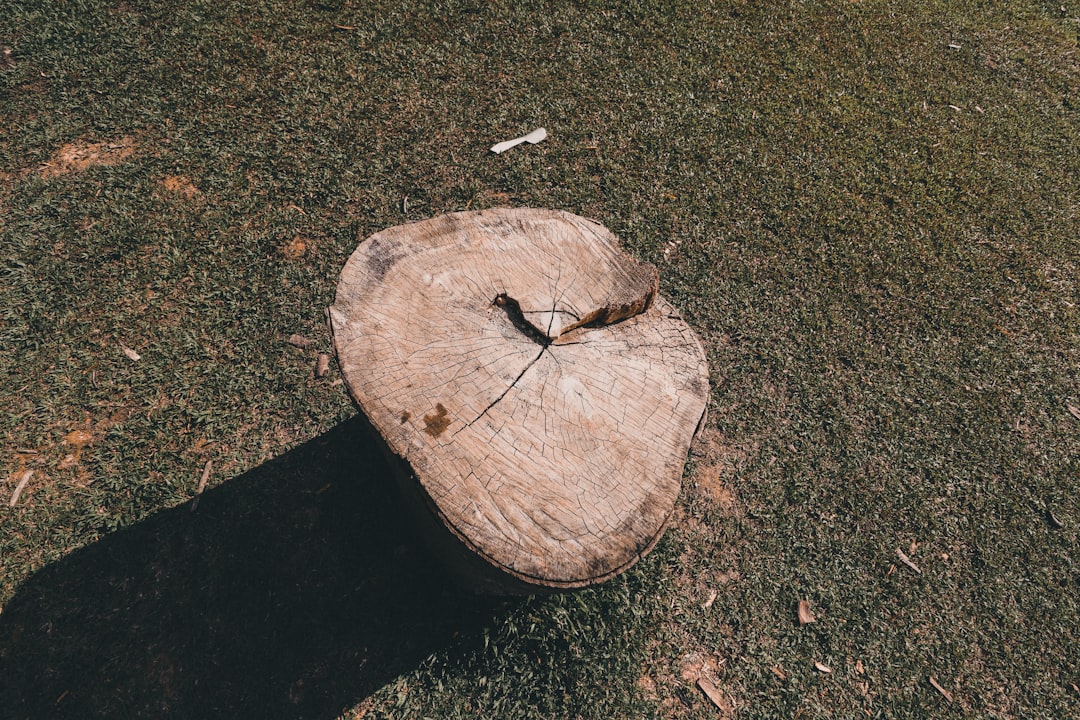
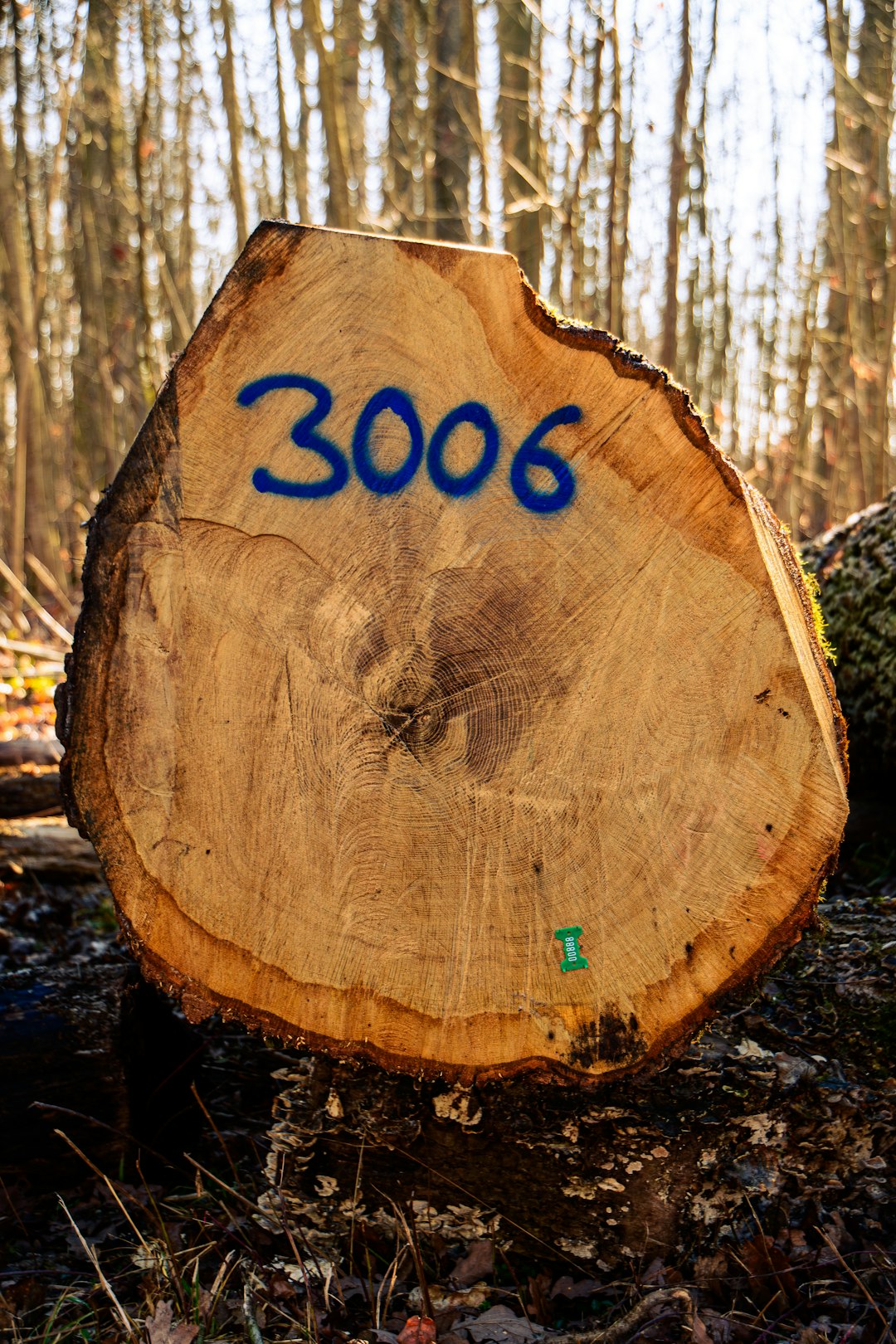
Removing a tree from your property might seem like the final chapter in its life story, but often, the saga isn’t quite over. Many homeowners are surprised to find new shoots emerging from a seemingly dead tree stump, prompting the common question: will a tree grow back from a stump? The answer isn’t a simple yes or no, as it depends on a fascinating interplay of biological factors and external conditions. Understanding the mechanisms behind stump regrowth, identifying which tree species are prone to it, and knowing how to either prevent or, in some cases, encourage it, is key to managing your landscape effectively. This article delves into the science behind this phenomenon, offering insights into what you can expect and how to handle dormant life beneath the surface.
The remarkable ability of trees: understanding coppicing and suckering
Even after a tree has been cut down, its stump and root system can harbor significant life. Trees, especially many broadleaf deciduous species, possess an incredible biological resilience that allows for regrowth from a seemingly inert stump. This ability stems from dormant or adventitious buds located in the cambium layer just beneath the bark, often around the root collar or base of the trunk. These buds, which were suppressed by hormones produced by the main trunk, can become active once the main canopy is removed, triggering rapid shoot development.
Two primary methods of regrowth are commonly observed:
- Coppicing: This is when new shoots emerge directly from the cut surface or around the base of the stump. Historically, coppicing has been a traditional forestry practice, where trees are cut close to the ground to encourage the growth of multiple new stems. These stems can then be harvested on a rotational basis for various uses, such as firewood or fence posts. The energy stored within the extensive root system fuels this vigorous new growth.
- Suckering: Root suckers are new shoots that emerge directly from the tree’s root system, often several feet away from the original stump. These suckers are genetically identical to the parent tree and arise from adventitious buds on the lateral roots. Species known for extensive root suckering can quickly colonize an area if left unchecked, creating a thicket of new growth.
It is important to remember that these new shoots are not new trees in the genetic sense; they are extensions of the original tree, powered by its existing root system, which continues to draw water and nutrients from the soil.
Key factors determining stump regrowth
The likelihood and vigor of a stump regrowing are not uniform across all trees. Several critical factors influence whether you will see new life emerge from a cut stump:
- Tree species: This is arguably the most significant factor. As discussed, certain species are naturally prolific sprouters, while others rarely, if ever, regrow.
- Tree health prior to cutting: A healthy tree with a robust root system and ample stored energy reserves is far more likely to produce vigorous new growth than a tree that was already stressed, diseased, or in decline.
- Age of the tree: Younger trees, particularly those in their active growth phase, generally have a greater capacity for regrowth than very old, senescent trees. Older trees may have less stored energy and a reduced ability to activate dormant buds.
- Time of year cut: Cutting a tree during its dormant season (late fall or winter) often results in more vigorous regrowth in the spring, as the tree has maximized its energy reserves. Cutting during the active growing season (spring or summer) may slightly reduce the stump’s ability to sprout, as energy is being used for leaf and branch development, but it is rarely a definitive deterrent.
- Size of the stump and root system: A larger stump typically means a larger, more established root system, which translates to more stored energy and a greater potential for regrowth.
- Environmental conditions: Factors like adequate sunlight, soil moisture, and nutrient availability can all contribute to the successful emergence and establishment of new shoots.
Species most likely to sprout vs. those that won’t
Understanding which tree species are prone to sprouting is crucial for anticipating and managing regrowth. Generally, many deciduous hardwood trees are excellent sprouters, while most coniferous evergreens are not.
Below is a table illustrating common tendencies:
| Category | Common tree species | Regrowth tendency | Notes |
|---|---|---|---|
| High sprouting potential | Oak (Quercus spp.) | High (coppices vigorously) | Especially young trees |
| Maple (Acer spp.) | High (coppices & suckers) | All varieties, including sugar, red, silver | |
| Willow (Salix spp.) | Very High (coppices readily) | Can even sprout from branches | |
| Poplar/Aspen (Populus spp.) | Very High (prolific suckering) | Roots can send shoots far from stump | |
| Elm (Ulmus spp.) | High (suckers commonly) | Often a nuisance for homeowners | |
| Sweetgum (Liquidambar styraciflua) | High (suckers readily) | Known for persistent regrowth | |
| Low/no sprouting potential | Pine (Pinus spp.) | Very low to none | Lack dormant buds at base |
| Fir (Abies spp.) | Very low to none | Typically do not resprout | |
| Spruce (Picea spp.) | Very low to none | Rarely regrow from stump | |
| Beech (Fagus grandifolia) | Low (can sucker, but less common) | Generally considered a non-sprouter after felling |
Conifers, with few exceptions (like Redwood), generally do not possess the latent buds required for regrowth from the stump. Their growth pattern is apical, meaning growth occurs predominantly at the top and tips of branches, making stump regeneration an unlikely event.
Managing stump regrowth: prevention and promotion
Depending on your objectives, you might want to either prevent regrowth entirely or, in specific scenarios, encourage it. For most homeowners, preventing unwanted sprouts from a stump is the primary goal.
Preventing unwanted regrowth:
- Stump grinding: This is the most effective and common method for preventing regrowth. A stump grinder uses a powerful rotating cutter wheel to shred the stump down to below ground level (typically 6-12 inches). This process removes the majority of the stump’s cambium layer and the energy-rich wood, effectively eliminating the source of new shoots. The resulting wood chips can be used as mulch or removed.
- Chemical treatments: Applying a specialized herbicide to the freshly cut surface of the stump can be highly effective, especially for vigorous sprouters.
- Timing is critical: Herbicides are most effective when applied immediately (within minutes to hours) after the tree is cut, before the wound begins to seal. This allows the chemical to be absorbed and translocated throughout the root system.
- Type of herbicide: Products containing glyphosate or triclopyr are commonly used. These are typically brush killers designed to kill woody plants. Always read and follow product label instructions carefully, as improper application can be harmful to surrounding vegetation and the environment.
- Application method: Herbicides should be applied directly to the outer ring of the stump (the cambium layer), as this is where the active living tissue is located.
- Manual removal/starvation: For smaller stumps or less vigorous species, repeatedly cutting back any new sprouts as soon as they appear can eventually deplete the root system’s stored energy. This method requires persistence, as it can take several seasons to be effective. Covering the stump with an opaque material like a tarp can also starve it of light, slowly weakening it, but this is less reliable for strong sprouters.
Encouraging regrowth (coppicing/pollarding):
While often seen as a problem, controlled regrowth can be beneficial. Coppicing and pollarding (cutting higher up the trunk) are ancient techniques used to sustainably harvest wood or manage tree size and shape for specific landscape designs, such as hedges or living fences. This requires regular cutting (every few years) to maintain the desired growth pattern and health of the multi-stemmed plant.
In summary, the question of whether a tree stump will regrow is multifaceted, deeply rooted in a tree’s inherent biology and influenced by several environmental and procedural factors. While many deciduous hardwoods possess the remarkable ability to regenerate through coppicing or suckering, species like most conifers rarely do. Factors such as the tree species, its health prior to felling, and the timing of the cut all play significant roles in determining the likelihood and vigor of regrowth. For those seeking to prevent unwanted sprouts, methods like stump grinding and targeted chemical treatments offer effective solutions by either physically removing the regenerative tissue or chemically inhibiting its growth. Conversely, understanding these natural processes can also be harnessed for sustainable forestry practices or landscape design. Ultimately, managing a tree stump goes beyond mere removal; it requires an informed approach to ensure your landscape evolves precisely as you envision.