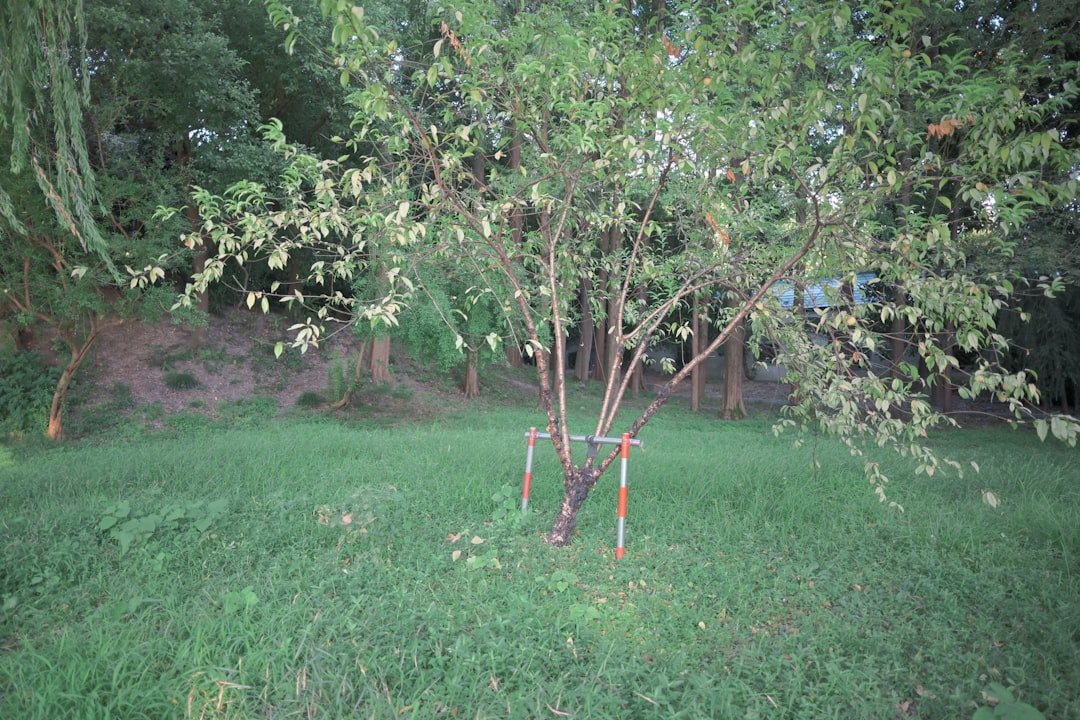
The weeping cherry tree, Prunus subhirtella ‘Pendula’, is a breathtaking ornamental staple, celebrated for its graceful, cascading branches and early spring blossoms. While its aerial beauty is undeniable, the true foundation of this tree’s health and longevity lies beneath the soil: its often-overlooked root system. Understanding the unique characteristics of weeping cherry roots is not merely academic; it’s essential for successful planting, proper care, and ensuring your tree thrives for decades. This article will delve deep into the structure, growth patterns, environmental needs, and common challenges associated with the weeping cherry’s root system, providing a comprehensive guide for both aspiring and seasoned gardeners.
The architecture of weeping cherry roots
Unlike many large trees that develop a deep taproot for stability, the weeping cherry tree typically features a more shallow, fibrous, and widespread root system. This characteristic means its roots tend to spread horizontally, often extending well beyond the drip line, rather than penetrating far into the ground. The primary function of these widespread feeder roots is the absorption of water and nutrients from the topsoil, where organic matter and oxygen are most abundant. Deeper, thicker roots serve as structural anchors, but even these typically remain closer to the surface compared to other species.
This shallow nature has significant implications for planting and care. The delicate feeder roots are highly sensitive to changes in soil conditions, including compaction and moisture levels. Furthermore, the root flare, where the trunk widens into the root system, should always be visible at or slightly above ground level after planting. Burying this critical zone too deeply is a common mistake that can lead to suffocated roots, girdling issues, and overall tree decline, underscoring the importance of understanding this fundamental architecture.
Growth and development: from nursery to maturity
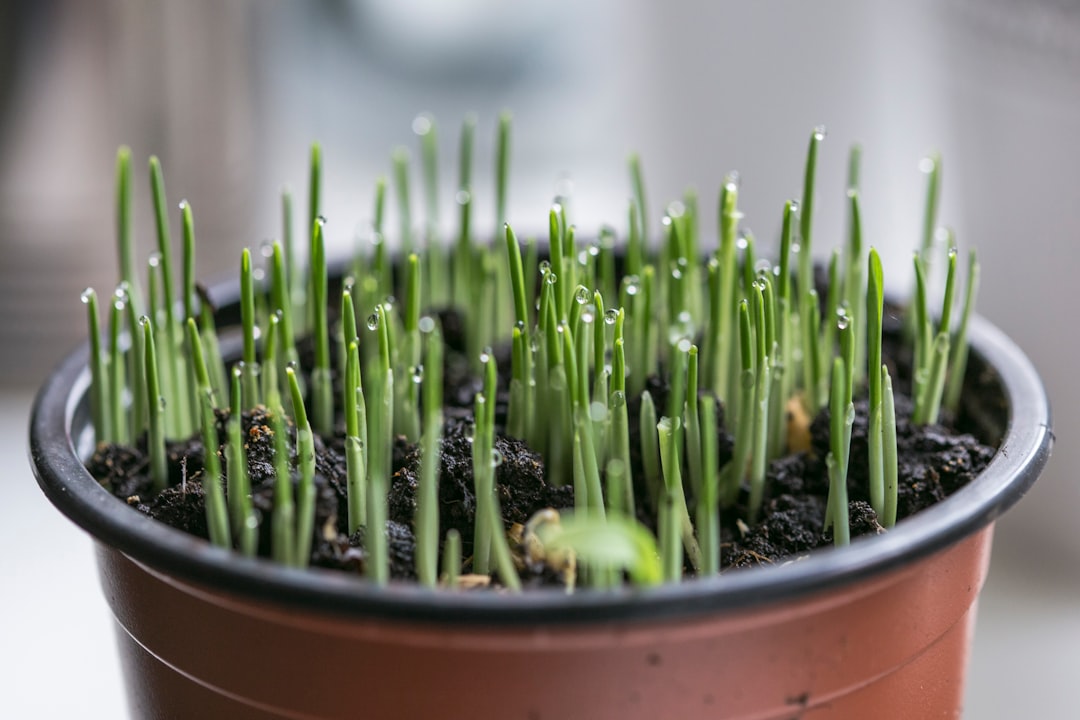
The journey of a weeping cherry’s root system begins long before it finds its permanent home. Whether purchased as a bare-root, balled-and-burlapped, or containerized specimen, the initial root mass sets the stage for future growth. Upon planting, the roots begin to acclimate and expand into the surrounding soil. During the first few years, known as the establishment phase, the tree prioritizes root growth to anchor itself and efficiently absorb resources. This initial spread is crucial for long-term health, as it dictates the tree’s access to water and nutrients.
Mature weeping cherry roots can spread considerably, often reaching 1.5 to 2 times the width of the tree’s canopy. Factors such as soil composition, moisture availability, and the presence of obstructions (like foundations or other plant roots) will influence this spread. Well-draining, fertile soil encourages robust root development, allowing the tree to establish a strong, healthy foundation. Conversely, poor soil conditions, such as heavy clay or overly sandy soil, can restrict growth and lead to a compromised root system, making the tree more susceptible to stress and disease.
Environmental factors and root health
For a weeping cherry to truly flourish, its root system requires specific environmental conditions. Soil quality is paramount; these trees prefer well-draining, moist loamy soils with a slightly acidic to neutral pH, ideally between 6.0 and 7.0. Heavy clay soils can lead to waterlogging and root rot, while overly sandy soils may drain too quickly, depriving roots of essential moisture. Proper aeration is also critical, as roots require oxygen to respire and absorb nutrients efficiently. Soil compaction, often caused by heavy foot traffic or machinery, can severely restrict root growth and reduce oxygen availability.
Consistent watering, especially during dry periods and the establishment phase, is vital. However, overwatering can be just as detrimental as underwatering, leading to anaerobic conditions that suffocate roots. Mulching around the base of the tree is an excellent practice for maintaining consistent soil moisture, moderating soil temperature, and suppressing competing weeds. Furthermore, beneficial mycorrhizal fungi in the soil form symbiotic relationships with tree roots, enhancing their ability to absorb nutrients and water. Understanding and addressing these environmental factors are key to nurturing a vigorous root system.
Common root issues and practical care tips
Even with the best intentions, weeping cherry roots can encounter several challenges. One prevalent issue is girdling roots, where roots grow in a circular pattern around the trunk or other roots, constricting the flow of water and nutrients. This often results from improper planting (planting too deep or leaving container-bound roots uncorrected). Signs of girdling include stunted growth, yellowing leaves, and premature leaf drop. Early detection and careful removal of offending roots can save the tree.
Other common problems include root rot, typically caused by overly wet or poorly draining soils, and physical damage from lawnmowers or excavation equipment. Here’s a quick overview of common root issues and practical solutions:
| Issue | Primary cause | Symptoms | Practical solution |
|---|---|---|---|
| Girdling roots | Improper planting, container-bound roots | Stunted growth, yellowing leaves, trunk constriction | Careful root pruning and correction |
| Root rot | Poor drainage, overwatering | Wilting, discolored leaves, dying branches, mushy roots | Improve drainage, adjust watering, fungicide (if applicable) |
| Root compaction | Heavy traffic, construction | Slow growth, sparse canopy, yellowing foliage | Aeration, mulching, avoid heavy traffic |
| Physical damage | Mowers, string trimmers, excavation | Wounds on roots/trunk base, entry points for disease | Apply mulch, avoid damaging equipment near trunk |
To ensure robust root health, always plant at the correct depth, ensuring the root flare is visible. Use a 2-4 inch layer of organic mulch, keeping it a few inches away from the trunk. Water deeply and regularly, especially during dry spells, but allow the soil to dry slightly between waterings. Regular monitoring and proactive care can prevent most root-related issues and safeguard the health of your beloved weeping cherry.
The root system of the weeping cherry tree, with its shallow, fibrous, and widespread architecture, is a marvel of nature perfectly adapted to its role as the tree’s lifeline. We have explored how this unique structure dictates proper planting techniques, emphasizing the critical importance of exposing the root flare and accommodating its horizontal spread. Understanding the journey of its roots from initial planting through maturity highlights the need for consistent care during establishment. Furthermore, we delved into the environmental prerequisites for healthy roots, underscoring the vital roles of well-draining soil, appropriate pH levels, consistent moisture, and protection from compaction. Finally, we addressed common root afflictions like girdling and root rot, providing actionable strategies for prevention and remediation.
By appreciating the intricacies of this subterranean network, gardeners can move beyond superficial admiration to provide truly holistic care. Prioritizing root health through correct planting, thoughtful watering, strategic mulching, and vigilant monitoring ensures that your weeping cherry not only survives but truly flourishes, gracing your landscape with its ethereal beauty for many years to come. Remember, a healthy tree begins with a healthy foundation below ground.
Image by: Gabriela Fechet