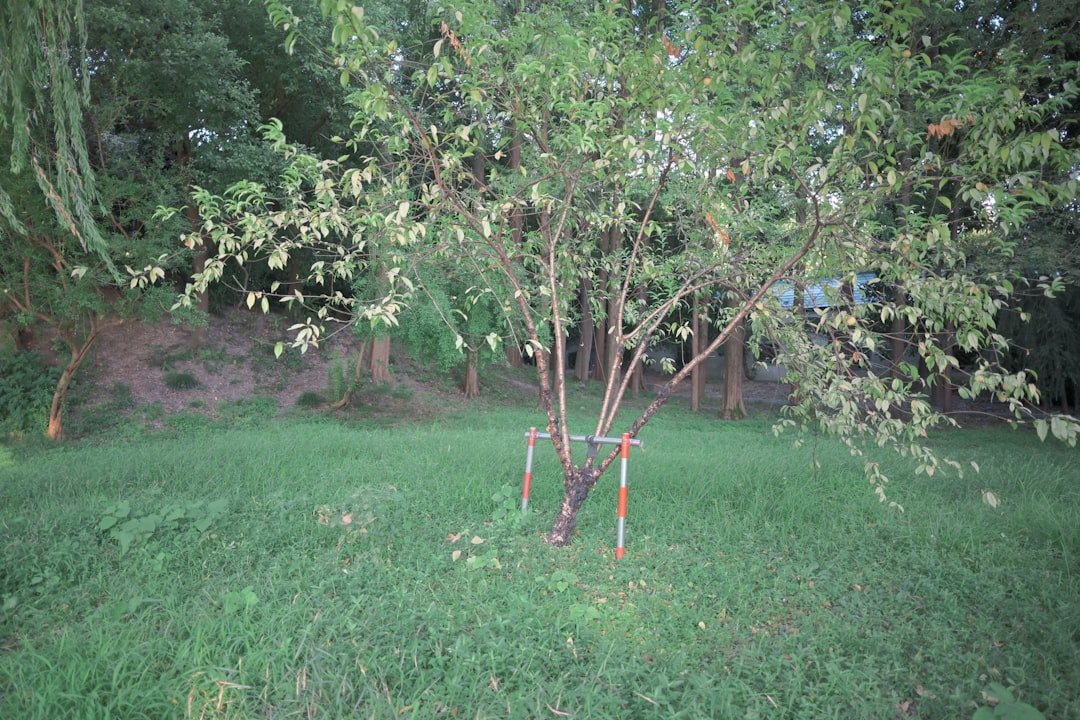
The delicate beauty of a weeping cherry tree (Prunus subhirtella ‘Pendula’) is a sight to behold, gracing landscapes with its cascades of pink or white blossoms in spring. These elegant trees are a popular choice for ornamental gardens, providing year-round visual interest. However, beneath their charming exterior lies a common question that often troubles pet owners and parents alike: are weeping cherry trees poisonous? This concern is well-founded, as many plants in our environment possess defensive mechanisms that can be harmful if ingested. Understanding the potential risks associated with this beloved species is crucial for ensuring the safety of our families, pets, and even livestock. Let’s delve into the specific components of weeping cherry trees that pose a danger and how to mitigate any potential hazards.
Understanding the toxicity of prunus species
Weeping cherry trees belong to the extensive Prunus genus, a group that includes many familiar fruit trees such as peaches, plums, apricots, and traditional cherries. A defining characteristic shared by many members of this genus is the presence of naturally occurring compounds known as cyanogenic glycosides. These compounds, while harmless in their stable form within the plant, become dangerous when the plant’s tissues are damaged, such as through chewing, wilting, or digestion. When cellular integrity is compromised, enzymes within the plant interact with the glycosides, leading to the rapid release of hydrogen cyanide (HCN).
Hydrogen cyanide is a potent respiratory toxin that interferes with the body’s ability to utilize oxygen, effectively suffocating cells. Even small amounts can lead to severe health issues, and larger doses can be fatal. It is important to note that the concentration of these glycosides can vary significantly depending on the specific part of the tree, its age, and even environmental factors. Understanding this underlying biochemical mechanism is key to appreciating why certain parts of the weeping cherry tree are considered toxic.
Specific toxic parts and their effects
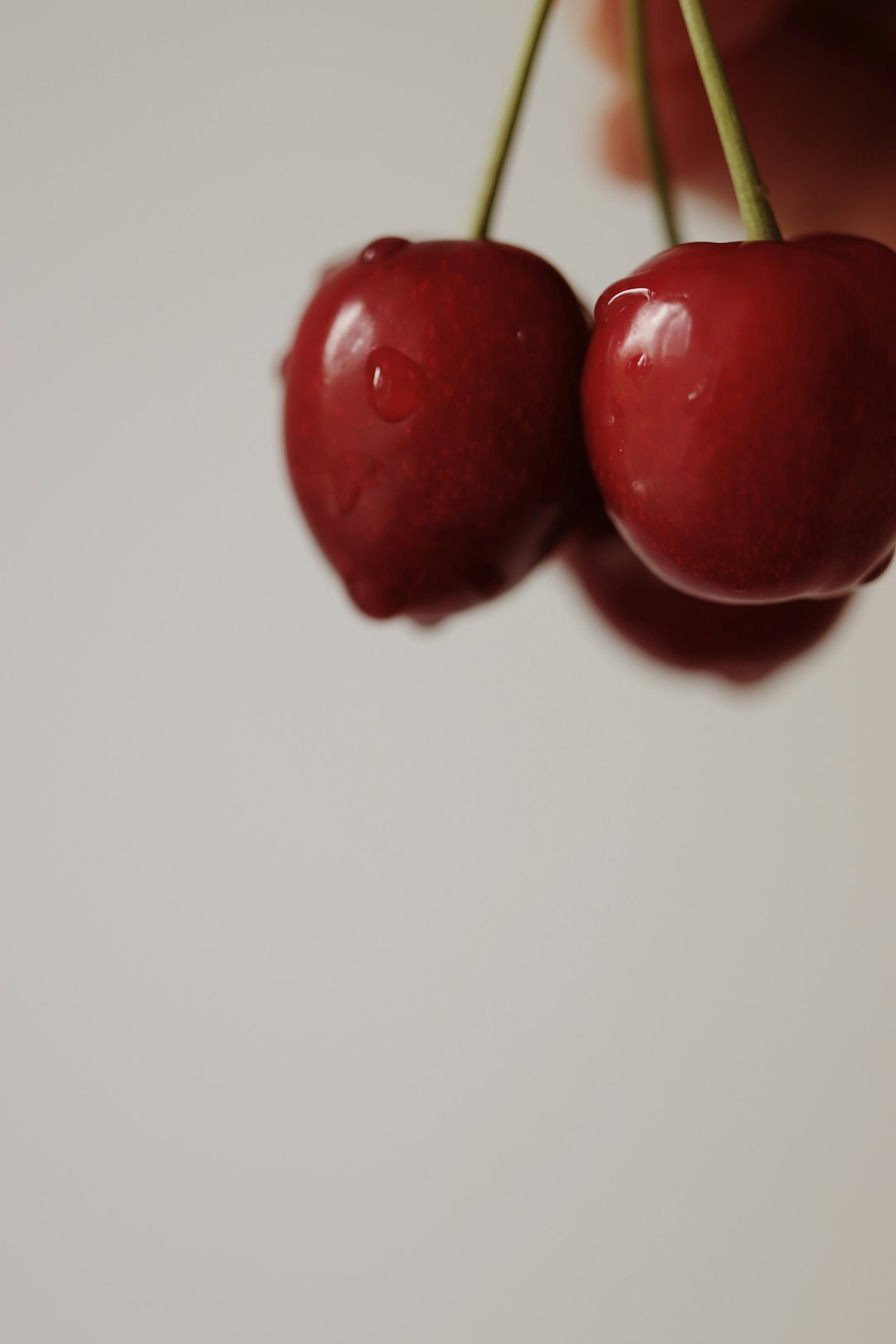
While the entire weeping cherry tree should be treated with caution, specific parts contain higher concentrations of cyanogenic glycosides and therefore pose a greater risk. The most dangerous parts include the leaves, particularly when they are wilting or drying, the bark, the stems, and most critically, the pits or seeds found within the small, inedible fruits. When leaves are wilting, cell walls break down, facilitating the rapid enzymatic conversion of glycosides into hydrogen cyanide, making them significantly more toxic than fresh leaves. The flesh of the small, tart cherries produced by ornamental varieties is generally not considered toxic, but the hard inner pit contains the dangerous compounds.
Symptoms of cyanide poisoning can manifest rapidly, typically within minutes to hours of ingestion, and vary depending on the amount consumed and the size of the affected individual. In animals, common signs include difficulty breathing, panting, bright red mucous membranes (due to oxygen remaining in venous blood), dilated pupils, drooling, muscle tremors, staggering, convulsions, and eventually coma and death. Humans, especially children, are also susceptible, though poisoning is less common due to the bitter taste of the leaves and pits, which deters significant consumption. However, even a small number of pits, if crushed and ingested, can be hazardous, particularly to small children.
Risk assessment for pets, children, and wildlife
When considering the potential danger of weeping cherry trees, it’s essential to assess the risk based on who might interact with them. Pets, especially grazing animals like horses, goats, and cows, are highly susceptible to cyanide poisoning if they consume fallen leaves or prunings. Dogs and cats, while less likely to graze, can also be at risk if they chew on branches or ingest cherry pits. The curious nature of pets means they might be drawn to novel plant material, making vigilance important for owners.
For children, the risk is generally lower but should not be ignored. The bitter taste of the leaves and the hard shell of the pits usually deter them from consuming large quantities. However, if a child were to chew and swallow several pits, especially if they are broken open, the risk of poisoning increases. Education is key here, teaching children never to eat berries or plant parts from the garden without adult supervision. Wildlife, on the other hand, typically possesses an innate ability to avoid toxic plants or consumes them in amounts that do not cause harm, making them generally less vulnerable.
To help visualize the risk levels of different parts:
| Plant part | Toxicity level | Primary risk group | Notes |
|---|---|---|---|
| Wilted leaves | High | Livestock, curious pets | High concentration of cyanide due to enzymatic release. |
| Fresh leaves | Moderate | Grazing animals | Lower immediate cyanide release than wilted leaves. |
| Stems/bark | Moderate | Chewing pets, livestock | Cyanogenic glycosides present. |
| Fruit pits/seeds | High | Pets, young children | Require crushing/chewing to release cyanide. |
| Fruit flesh | Very low | N/A | Generally considered safe in small quantities. |
Safe enjoyment and mitigation strategies
The presence of a weeping cherry tree in your garden does not mean you must live in constant fear or remove such a beautiful specimen. With proper awareness and proactive mitigation strategies, these trees can be enjoyed safely. The primary goal is to prevent access to the most toxic parts, especially for pets and young children.
Regular maintenance is crucial: promptly rake and dispose of fallen leaves, especially during autumn or after storms, as wilted leaves are particularly dangerous. Similarly, if your tree produces small cherries, be diligent about cleaning up any fallen fruit to prevent pets or children from encountering the pits. When pruning, ensure that all branches and trimmings are immediately collected and disposed of in a secure manner, out of reach of animals. Consider fencing off areas where pets graze if weeping cherry trees are present, or supervise them closely. Educating children about not eating any unknown plant parts in the garden is also a vital step in prevention. For pet owners, learning basic first aid for poisoning and knowing the nearest emergency vet clinic can be life-saving. By taking these simple yet effective precautions, the risk of accidental poisoning can be significantly minimized, allowing you to appreciate the enduring charm of your weeping cherry tree without undue worry.
In conclusion, the answer to “are weeping cherry trees poisonous?” is a definitive yes. Like many members of the Prunus genus, these beautiful ornamental trees contain cyanogenic glycosides in their leaves, stems, bark, and most notably, their seeds or pits. When ingested, especially if the plant material is damaged or wilting, these compounds can release hydrogen cyanide, a potent toxin. The primary concern is for curious pets, particularly grazing animals and dogs, and to a lesser extent, young children who might be tempted to chew on fallen parts or ingest cherry pits. However, this toxicity does not diminish the tree’s aesthetic value. By understanding which parts of the tree pose a risk and implementing simple preventive measures such as vigilant cleanup of fallen leaves and fruits, secure disposal of trimmings, and educating household members, you can safely coexist with these magnificent trees. Awareness and responsible garden management are the keys to enjoying the weeping cherry’s splendor without compromising the safety of your loved ones.
Image by: Sincerely Media