Creating a river stone path in your garden offers a timeless blend of natural beauty and practical functionality. Far more than just a way to traverse your outdoor space, these paths infuse tranquility and a touch of organic elegance, evoking the serene feel of a flowing stream. Their unique character, with each stone telling its own story, makes them a popular choice for homeowners seeking to add distinctive charm and durability. This guide will walk you through every essential step, from the initial vision and site preparation to the careful placement of each stone and the final touches, ensuring your DIY project results in a stunning, long-lasting pathway that enhances your landscape for years to come.
Planning and preparation for your stone path
The foundation of any successful river stone path lies in meticulous planning and thorough preparation. Begin by visualizing the path’s route, considering its purpose and how it integrates with your existing landscape. Will it be a winding stroll through a flowerbed or a direct route to a seating area? Mark out your chosen path using stakes and string or spray paint, defining its width and curves. A typical width for a comfortable walking path is between 24 to 36 inches. Next, gather your essential tools: a shovel, pickaxe, level, measuring tape, rubber mallet, wheelbarrow, tamper, and safety gear like gloves and eye protection.
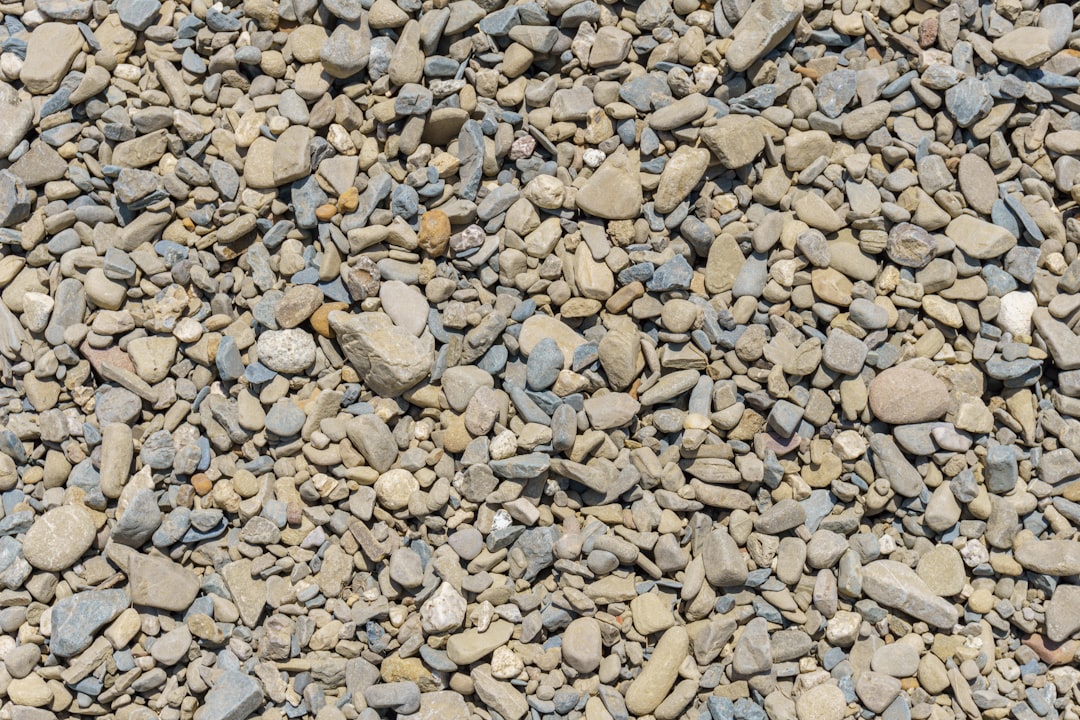
Selecting the right river stones is crucial for both aesthetics and stability. Look for stones that are relatively flat on one side to ensure a stable walking surface, varying in size to create visual interest. Local landscape suppliers or quarries are excellent sources. Calculate the quantity of stones, base material (crushed gravel), and setting bed material (sand) you’ll need. As a general rule, a 4-inch deep base of compacted gravel and a 1-inch thick sand setting bed are recommended. For excavation, dig out the path area to a depth of approximately 6-8 inches, ensuring a slight slope for drainage (about 1/4 inch per foot). Clear away all roots, rocks, and debris, then lay down a durable landscape fabric to prevent weed growth and stabilize the soil beneath your path.
Establishing the base and edging
With the path excavated and a weed barrier in place, the next critical step is to build a robust foundation that will support your river stones and ensure the path’s longevity. Start by adding a layer of crushed gravel or road base, typically 4 to 6 inches deep, to the excavated trench. This material compacts well, provides excellent drainage, and creates a stable sub-base. Using a hand tamper or a plate compactor for larger paths, thoroughly compact this gravel layer. Adequate compaction is vital to prevent future settling and shifting of your path. You’ll know it’s sufficiently compacted when it feels firm underfoot and no longer significantly indents.
After compaction, consider installing edging along both sides of your path. While optional, edging offers several benefits: it defines the path’s borders, prevents the base materials and stones from migrating outwards, and gives the path a clean, finished appearance. Options include metal edging, plastic landscape edging, or even larger border stones that complement your river stones. Install the edging firmly, ensuring it is level with or slightly below your desired final path height. Finally, spread a 1 to 2-inch layer of coarse sand or decomposed granite over the compacted gravel base. This sand layer will serve as the flexible setting bed for your river stones, allowing for individual stone adjustments and providing a cushion.
Laying and setting the river stones
This is where your vision truly comes to life. Begin by moistening the sand setting bed slightly; this helps with stability during stone placement. Start laying your river stones from one end of the path, working your way forward. The key is to create a mosaic-like pattern, interspersing larger stones with smaller ones to achieve a natural, organic look. Avoid placing stones of similar size or shape directly next to each other. When placing each stone, press it firmly into the sand bed, wiggling it slightly to ensure good contact. Use a rubber mallet to gently tap each stone into place until its surface is flush with, or slightly proud of, its neighbors, aiming for a relatively flat and even walking surface.
Continuously check your progress with a level. A spirit level placed across several stones will help you maintain a consistent slope and prevent trip hazards. If a stone is too high, remove some sand from underneath; if too low, add more sand. Leave small, consistent gaps between the stones for the jointing material. These gaps shouldn’t be too wide, typically between 1/2 inch to 1 inch, depending on the size of your stones and your aesthetic preference. Take your time with this step, stepping back occasionally to assess the overall pattern and make any necessary adjustments. The beauty of a river stone path lies in its natural imperfections, but careful arrangement ensures both beauty and comfort underfoot.
Finishing and ongoing care
Once all your river stones are meticulously laid, the final step is to solidify the path and prepare it for long-term enjoyment. The most common method for filling the gaps between stones is using polymeric sand. This specialized sand contains additives that, when activated by water, harden to form a durable, weed-resistant joint. Carefully sweep the polymeric sand over the entire path, working it into every crevice with a stiff broom. Ensure all gaps are completely filled. Gently mist the path with water according to the product instructions; this activates the polymers, creating a solid bond. Alternatively, you can use fine gravel, crushed rock, or even a dry mortar mix for a more permanent, rigid path. For mortar, you’d apply it in a similar fashion, misting lightly, but ensure careful cleanup as mortar stains can be difficult to remove.
| Material | Durability | Weed Resistance | Flexibility | Cost |
|---|---|---|---|---|
| Polymeric Sand | High | High | Low | Medium |
| Fine Gravel/Crushed Rock | Medium | Low | High | Low |
| Dry Mortar Mix | Very High | Very High | Very Low | Medium |
Allow the path to cure completely, typically for 24-48 hours, before heavy foot traffic. Ongoing maintenance is relatively simple. Regularly sweep away leaves and debris to prevent organic matter from accumulating in the joints. Address any weeds that sprout promptly, either by hand-pulling or with a targeted herbicide. Periodically check for any loose stones or eroded jointing material and make repairs as needed. With proper care, your river stone path will remain a charming and enduring feature of your landscape, providing a beautiful, natural walkway for many years.
Crafting a river stone path is a deeply rewarding project that imbues your garden with unique character and natural elegance. From the initial planning and careful excavation to the strategic placement of each unique stone and the final sealing of the joints, every step contributes to a durable and visually appealing outcome. We’ve explored the importance of a well-prepared base, the art of arranging stones for both beauty and stability, and the crucial finishing touches that ensure longevity. The commitment to proper techniques, from compacting the sub-base to choosing the right jointing material, guarantees a path that withstands time and traffic. Embrace the journey of creation, knowing that the resulting pathway will be a testament to your effort, offering a serene and lasting enhancement to your outdoor living space. Enjoy the timeless beauty and tranquil appeal it brings to your home.
Image by: Hanna Lazar