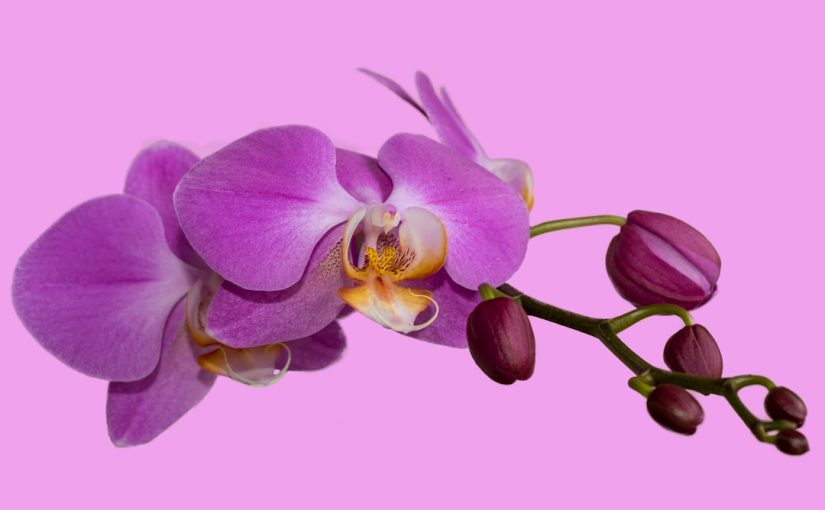
Orchids, with their delicate beauty and unique growing requirements, often leave growers pondering the best fertilization strategies. One common question that arises in the orchid community is whether familiar, readily available plant foods like Osmocote can be safely and effectively used. Osmocote, a popular controlled-release granular fertilizer, offers convenience for many traditional houseplants and garden plants. However, orchids are far from typical. Their specialized root systems, preference for specific potting media, and sensitivity to nutrient concentrations demand a nuanced approach to feeding. This article will delve into the intricacies of using Osmocote on orchids, exploring its characteristics, potential risks, best practices for application, and ultimately, whether it’s truly a suitable choice for these exquisite plants compared to more tailored alternatives.
Understanding osmocote and orchid nutritional needs
Osmocote is a brand of controlled-release fertilizer characterized by its polymer-coated granules. Each granule contains a blend of essential plant nutrients—nitrogen (N), phosphorus (P), and potassium (K), along with various micronutrients. The polymer coating slowly releases these nutrients over an extended period, typically several months, based on temperature and moisture levels. This mechanism is designed to provide a steady supply of food, minimizing the need for frequent applications and reducing the risk of nutrient leaching in traditional soil environments. For most garden plants, this “set it and forget it” approach is highly beneficial.
Orchids, however, have distinct nutritional needs that differ significantly from terrestrial plants. Most cultivated orchids are epiphytic, meaning they grow on other plants, absorbing moisture and nutrients from the air and rain, or lithophytic, growing on rocks. Their specialized roots are covered in a spongy layer called velamen, which efficiently absorbs water and trace nutrients from their environment. In cultivation, orchids are typically grown in coarse, airy potting media like bark, sphagnum moss, or perlite, which provide excellent drainage and aeration but hold very few nutrients. Orchids prefer a consistent, low-dose supply of nutrients, often referred to as “weakly, weekly” feeding. High concentrations of salts, which can accumulate from strong fertilizers, are detrimental to their sensitive roots, leading to burn and damage.
The challenges of using granular fertilizers on orchids
The very design of Osmocote, while beneficial for soil-grown plants, presents several significant challenges when applied to orchids. The primary issue stems from the fundamental difference in potting media. Traditional soil acts as a buffer, holding nutrients and moisture, and allowing for gradual interaction with the plant’s root system. Orchid media, being extremely porous and fast-draining, does not offer this buffering capacity. When Osmocote granules are placed in such media, the released nutrients can quickly concentrate around the delicate velamen-covered roots.
This concentrated release, even if controlled, poses a high risk of fertilizer burn. Orchids are highly susceptible to salt buildup, which can manifest as blackened root tips, overall root decay, and stunted growth. Unlike soil, orchid bark or moss does not effectively dilute or distribute the nutrients evenly, leading to hot spots where salt concentrations are excessively high. Furthermore, the sustained release mechanism means that it’s difficult to flush away excess nutrients if a problem arises. With liquid fertilizers, growers can easily control the concentration and frequency, and readily flush pots with plain water to remove any buildup. Granular fertilizers, once applied, are largely beyond immediate control, making them a risky choice for orchids, especially for novice growers or those with sensitive species.
Best practices for applying osmocote to orchids (if you choose to)
Despite the inherent risks, some experienced orchid growers have successfully incorporated Osmocote into their feeding regimens, but only with extreme caution and significant modifications to standard application guidelines. If you choose to use Osmocote on your orchids, adherence to very specific best practices is crucial to minimize potential damage:
- Drastically Reduce Dosage: Never use the amount recommended for terrestrial plants. A general rule of thumb is to use one-quarter to one-eighth of the recommended dose, or even less. For instance, for a 6-inch pot, instead of a teaspoon, you might use just a few granules.
- Strategic Placement: Avoid direct contact between the granules and the orchid’s crown or pseudobulbs, as this can lead to rot or burn. Instead, sprinkle the *very sparse* granules on the surface of the potting medium, away from the plant’s core. Some growers place a few granules at the bottom of the pot during repotting, allowing nutrients to slowly diffuse upwards.
- Use a Mesh Bag: A safer method involves placing a few granules inside a small mesh tea bag or piece of pantyhose. This can then be placed on the surface of the medium or tucked into the pot. This prevents direct contact of the granules with roots and allows for easier removal if issues arise.
- Regular Flushing: Even with careful application, regular flushing of the potting medium with plain water (once a month, or more frequently if you observe salt buildup) is vital to wash away any accumulated salts and prevent root damage.
- Monitor Plant Health Closely: Always observe your orchid for any signs of stress, such as yellowing leaves, root discoloration, or stunted growth. If any adverse symptoms appear, immediately remove the Osmocote and thoroughly flush the pot.
This table compares key aspects of using Osmocote versus a specialized liquid orchid fertilizer:
| Feature | Osmocote (Modified Use) | Liquid Orchid Fertilizer |
|---|---|---|
| Nutrient Release | Controlled-release (polymer coating), sustained over months | Immediate availability; requires frequent application |
| Risk of Root Burn | High, due to concentrated granular release in porous media | Low, if diluted properly (“weakly, weekly” method) |
| Application Frequency | Very infrequent (e.g., every 3-6 months), if at all | Regular (e.g., every watering, or weekly/bi-weekly) |
| Formulation Tailoring | General purpose; NPK ratios often not ideal for orchids | Specifically formulated NPK ratios and micronutrients for orchids |
| Control Over Dose | Limited control once applied; difficult to reverse | Complete control over concentration at each application |
| Salt Buildup | Prone to buildup; requires vigilant flushing | Less prone if used correctly; easily flushed |
Safer alternatives and superior orchid feeding strategies
Given the specific needs of orchids and the potential pitfalls of granular fertilizers like Osmocote, most orchid enthusiasts and experts recommend safer, more tailored feeding strategies. The gold standard for orchid fertilization involves using liquid orchid-specific fertilizers. These are formulated with appropriate NPK ratios and micronutrients that cater to the unique growth cycles of orchids, such as a balanced formula for general growth and a bloom-booster formula for flowering. The “weakly, weekly” approach—diluting the recommended dose to a quarter or half strength and applying it every time you water (or every other watering)—ensures a consistent, low-level nutrient supply that mimics their natural environment and prevents salt buildup.
Foliar feeding is another effective method, especially for orchids with active aerial roots. A highly diluted liquid fertilizer can be misted onto the leaves and aerial roots, providing immediate absorption. Additionally, some growers incorporate organic options like orchid-specific compost teas or kelp meal solutions, which offer a gentle nutrient boost and beneficial microorganisms. Ultimately, the best strategy is one that provides consistent, gentle nutrition, allows for easy control over concentration, and minimizes the risk of root damage, all of which are characteristics more readily found in specialized liquid orchid fertilizers than in modified applications of general-purpose granular products.
In conclusion, while Osmocote plant food *can* technically be used on orchids, it comes with a strong caveat: extreme caution and significant modifications to standard application methods are absolutely essential. Orchids possess a unique physiology and preference for specialized, airy potting media that make them highly susceptible to fertilizer burn and salt buildup from concentrated, slow-release granules. While some experienced growers manage to use it sparingly and strategically, often employing methods like mesh bags or drastically reduced dosages, the inherent risks outweigh the convenience for most. Ultimately, the consensus among orchid experts points towards specialized liquid orchid fertilizers, applied using the “weakly, weekly” method, as a far safer, more effective, and more controllable option. Prioritizing your orchid’s delicate health over the convenience of a general-purpose fertilizer will ensure its long-term vitality and stunning blooms.
Image by: Rob Musson