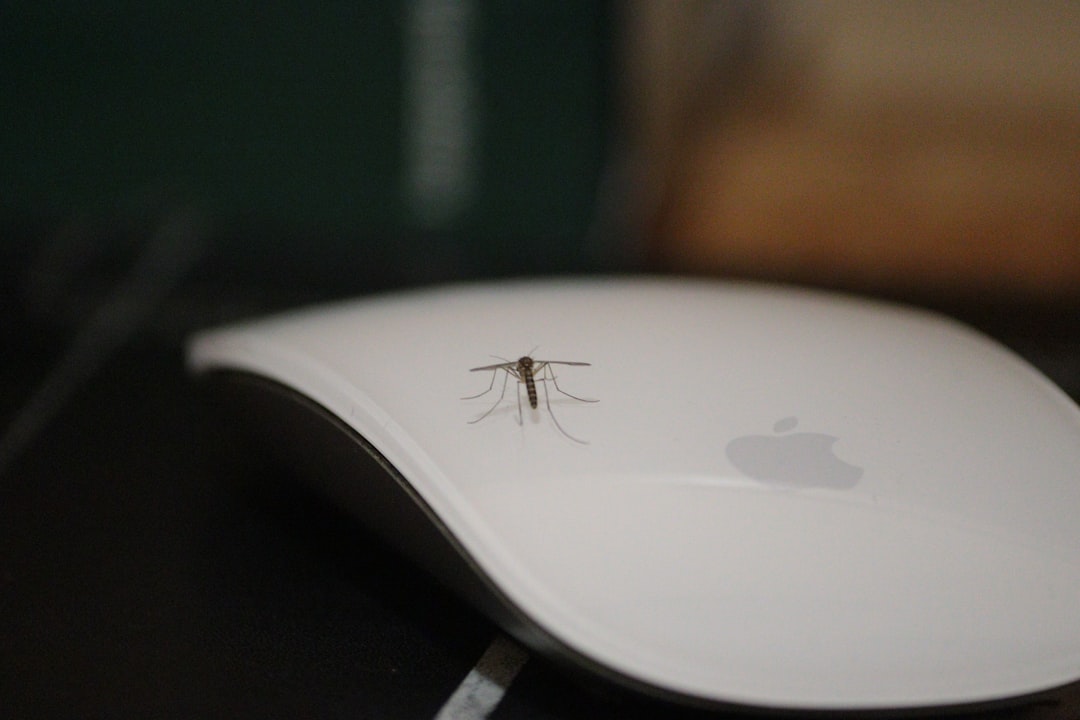
The quest for effective mosquito control often leads individuals to explore a myriad of home remedies, some of which involve combining common household products. One such intriguing combination that frequently arises in discussions is the use of ammonia and lemon juice. The appeal lies in the perceived potency of ammonia as a strong agent and the fresh, seemingly natural properties of lemon. However, understanding the efficacy, safety, and scientific basis behind such a mixture is crucial before attempting it for pest control. This article delves into whether there is a viable ratio for combining ammonia and lemon juice to combat mosquitoes, examining the properties of each ingredient, their potential interactions, and, most importantly, the safety implications and expert recommendations for true mosquito deterrence.
Understanding the individual components: ammonia and lemon juice
To assess the potential effectiveness of an ammonia and lemon juice mixture, it is vital to first understand the individual properties of each component. Ammonia, a pungent alkaline chemical, is primarily known as a powerful cleaning agent. Its strong odor might intuitively suggest repellent properties to some, as many insects are deterred by harsh smells. However, its primary mode of action is as a corrosive solvent, not a proven insect repellent in its diluted household form. Direct application or exposure to ammonia fumes can be irritating to the respiratory system, eyes, and skin. It is a hazardous substance if not handled properly.
Lemon juice, on the other hand, is an acidic substance rich in citric acid. It possesses a fresh, clean scent that is pleasant to humans. While various citrus oils, particularly oil of lemon eucalyptus (OLE) and citronella oil, are recognized for their insect-repelling qualities, the efficacy of raw lemon juice alone as a mosquito repellent is minimal at best. Its primary use in home remedies is often linked to its acidity or fragrance, which some believe might confuse or deter insects. However, its effectiveness is not comparable to scientifically validated repellents.
The chemistry of the mix and why a “best ratio” doesn’t exist
The idea of finding a “best ratio” for ammonia and lemon juice for mosquito control fundamentally misunderstands the chemical interaction between these two substances. Ammonia is a base, and lemon juice is an acid. When mixed, they undergo a neutralization reaction. This chemical process generates heat, water, and a salt (ammonium citrate, in this case). The very components that might theoretically contribute to mosquito deterrence—the strong alkalinity of ammonia or the acidity/fragrance of lemon juice—are altered and diminished during this reaction. The resulting solution is chemically different and unlikely to retain the individual “repellent” properties, if any, that each ingredient might have vaguely possessed.
More critically, mixing household chemicals, especially an alkaline solution like ammonia with an acid like lemon juice, can pose significant health risks. While lemon juice is a mild acid, the reaction can still produce fumes that are irritating to the lungs and eyes. In enclosed spaces or with higher concentrations, these fumes can become particularly noxious. The notion that a specific ratio could somehow enhance their mosquito-repelling capabilities is unsubstantiated by scientific evidence and overlooks the basic principles of chemistry and safety.
Safety precautions and scientifically proven alternatives
Given the chemical interaction and lack of scientific evidence for efficacy, mixing ammonia and lemon juice for mosquito control is strongly advised against. The potential health risks associated with inhaling fumes or skin contact with the mixture far outweigh any unproven benefits. Prioritizing safety and relying on scientifically validated methods is paramount when dealing with pest control.
Instead of unproven home remedies, consider these effective and safe alternatives for mosquito control:
- EPA-registered repellents: Products containing DEET, picaridin, oil of lemon eucalyptus (OLE), or IR3535 are proven to be effective and safe when used according to label instructions.
- Eliminate standing water: Mosquitoes breed in stagnant water. Regularly empty bird baths, flower pot saucers, clogged gutters, and any other containers holding water around your property.
- Physical barriers: Ensure windows and doors have intact screens to prevent mosquitoes from entering your home.
- Fans: Mosquitoes are weak fliers; a strong fan can deter them in outdoor seating areas.
Here’s a comparison of common mosquito control methods:
| Method/Ingredient | Efficacy Against Mosquitoes | Safety Concerns | Scientific Backing |
|---|---|---|---|
| Ammonia | None (repellent), Caustic (cleaning) | Respiratory irritant, skin burns, severe if ingested | No for repellent use |
| Lemon Juice | Minimal/None (repellent) | Skin irritation (photosensitivity possible) | No for strong repellent use |
| Ammonia + Lemon Juice | None, likely counterproductive | Harmful fumes, severe irritation to skin/respiratory system | Strongly advised against |
| DEET | High | Skin irritation (rare), neurotoxicity (rare, high exposure) | Extensive |
| Oil of Lemon Eucalyptus (OLE) | Moderate to High | Skin irritation (mild) | Extensive |
| Eliminating Standing Water | High (reduces breeding) | None | Extensive |
Conclusion
The pursuit of an ideal ratio for ammonia and lemon juice to control mosquitoes, while born from a desire for effective solutions, ultimately leads to a dead end. Individually, ammonia and lemon juice lack significant, proven mosquito-repelling capabilities. When mixed, they undergo a neutralization reaction, diminishing any potential individual effects and, more importantly, creating a solution with potential health risks due to irritating fumes. There is no scientifically backed “best ratio” because the combination is not an effective or safe mosquito control strategy. Instead of experimenting with hazardous homemade concoctions, consumers should prioritize their health and safety by opting for methods that are rigorously tested and recommended by public health authorities. Focusing on EPA-registered insect repellents and diligent environmental management, such as eliminating standing water sources, provides reliable and safe defense against mosquitoes, ensuring both peace of mind and protection from mosquito-borne diseases. Always consult product labels and professional advice for the safest and most effective pest management practices.
Image by: Luke Madziwa