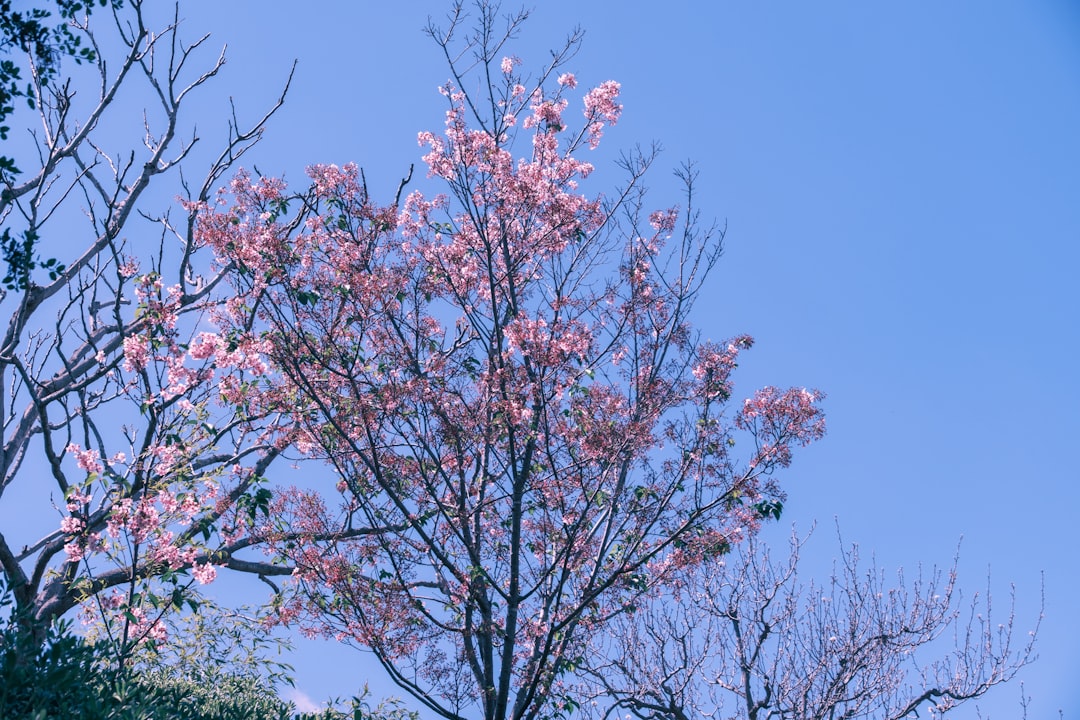
The bradford pear, Pyrus calleryana ‘Bradford’, has long been a subject of both admiration and consternation. Initially lauded for its rapid growth, uniform shape, and profusion of white spring blossoms, it has since fallen out of favor due to its inherent structural weaknesses and aggressive invasive tendencies. While much attention focuses on its brittle branches and the unwelcome spread of its fertile offspring, a deeper understanding of its foundation, specifically the root system of the fruitless bradford pear, is crucial. This foundational structure, though often out of sight, plays a pivotal role in the tree’s ecological impact, its problematic urban performance, and the challenges associated with its management and removal.
Anatomy of the bradford pear root system
The root system of the bradford pear, much like its above-ground structure, contributes significantly to its reputation as a problematic tree. Typically, this species develops a shallow, widespread, and highly fibrous root system. While many trees establish a dominant taproot for deep anchoring and water access, the bradford pear often lacks a robust taproot, particularly in compacted urban soils. Instead, it relies on an extensive network of lateral roots that spread horizontally, often just beneath the soil surface, extending well beyond the tree’s drip line. These roots are incredibly efficient at absorbing surface moisture and nutrients, which contributes to the tree’s rapid initial growth. However, this shallow architecture comes with significant drawbacks, impacting both the tree’s stability and its interactions with the surrounding landscape.
Shallow roots and their implications
The shallow nature of the bradford pear’s root system leads to several common issues. Firstly, these roots readily compete with turfgrass and other shallow-rooted plants for water and nutrients, making it challenging to maintain a healthy lawn or garden underneath the tree. Secondly, as the tree matures, these surface roots can become quite prominent, creating tripping hazards in paved areas, cracking sidewalks, and lifting foundations. More critically, the lack of deep anchoring makes the bradford pear highly susceptible to windthrow, especially after its weak branches are loaded with ice or heavy rain. The fibrous roots provide poor resistance to lateral forces, often leading to the entire tree toppling in severe storms. Furthermore, girdling roots, where roots grow around the trunk or other roots, can constrict the flow of water and nutrients, slowly strangling the tree and contributing to its overall decline and instability.
Root suckering and invasive spread
Perhaps one of the most frustrating aspects of the bradford pear’s root system is its prolific suckering capability, which is directly tied to its invasive nature. When the tree experiences stress, injury, or severe pruning, its root system is quick to send up numerous adventitious shoots or “suckers” from the root crown or along the lateral roots. This phenomenon is exacerbated in hybrid cultivars like the bradford pear because they are often grafted onto a wild Pyrus calleryana rootstock. While the scion (the upper, “fruitless” part) may not produce viable seeds, the rootstock can revert to its fertile, wild form, producing thorny, aggressively spreading offspring. These root suckers grow rapidly, forming dense, impenetrable thickets that outcompete native vegetation and disrupt local ecosystems. Effective removal often requires persistent vigilance, as merely cutting down the tree can stimulate an even more vigorous flush of root suckers, making complete eradication a significant challenge.
Managing the bradford pear root system
Understanding the problematic root system of the bradford pear is essential for both prevention and mitigation. For existing trees, managing the roots primarily involves addressing surface issues and suppressing suckers. Regularly removing suckers as they appear, preferably by tearing them off rather than cutting, can temporarily reduce their proliferation. However, for long-term solutions, especially concerning its invasive potential and structural instability, removal is often the recommended course of action. When removing a bradford pear, it is crucial to either grind the stump and root flare thoroughly or apply a systemic herbicide to the fresh cut to prevent vigorous suckering from the remaining root system. Replacing bradford pears with native, well-adapted species that possess strong, deep root systems will contribute to a healthier landscape and avoid the multitude of problems associated with this notorious ornamental. Thoughtful landscape design can also incorporate root barriers for situations where root spread is a major concern, though these are rarely a comprehensive solution for mature trees.
| Characteristic | Bradford Pear | Ideal Native Tree |
|---|---|---|
| Root Depth | Shallow, surface-oriented | Often deep, anchoring taproot (species dependent) |
| Root Spread | Wide, fibrous lateral roots near surface | Wide, but deeper and more structurally supportive |
| Suckering | High propensity, especially from rootstock | Low to none, typically only from injury |
| Stability | Poor anchoring, prone to windthrow | Good to excellent anchoring, wind resistant |
| Ecosystem Impact | Invasive, outcompetes natives | Supports local biodiversity, non-invasive |
The root system of the bradford pear is far more than just an anchor; it is a fundamental driver of the tree’s well-documented issues, from its structural failures to its aggressive invasive spread. Its shallow, fibrous nature contributes to poor stability and surface root problems, impacting landscapes and infrastructure alike. Crucially, the prolific suckering from its roots, particularly from the fertile rootstock, directly fuels its ability to escape cultivation and dominate natural areas, undermining the very notion of a “fruitless” cultivar. Understanding these subterranean dynamics is paramount for anyone dealing with this tree, whether for maintenance, removal, or landscape planning. Ultimately, the problematic root system reinforces the critical need to replace bradford pears with more responsible, native alternatives that offer superior ecological benefits and structural integrity, ensuring healthier and more sustainable environments for the future.
Image by: Murad Swaleh