While often shy and reclusive, alligator lizards can sometimes become an unwelcome presence in residential yards. Whether it’s the unsettling sight of their slithering bodies, concern for pets, or simply a desire for a lizard-free outdoor space, many homeowners seek effective ways to manage their population. These fascinating reptiles, common across various North American regions, play a role in their ecosystem by preying on insects and other small invertebrates. However, when they start frequenting areas close to homes, the question inevitably arises: how can one humanely and efficiently encourage them to move on? This article will delve into practical strategies, from understanding their behavior to modifying your environment, ensuring your yard remains a comfortable space without resorting to harmful methods.
Understanding alligator lizards: Are they a problem?
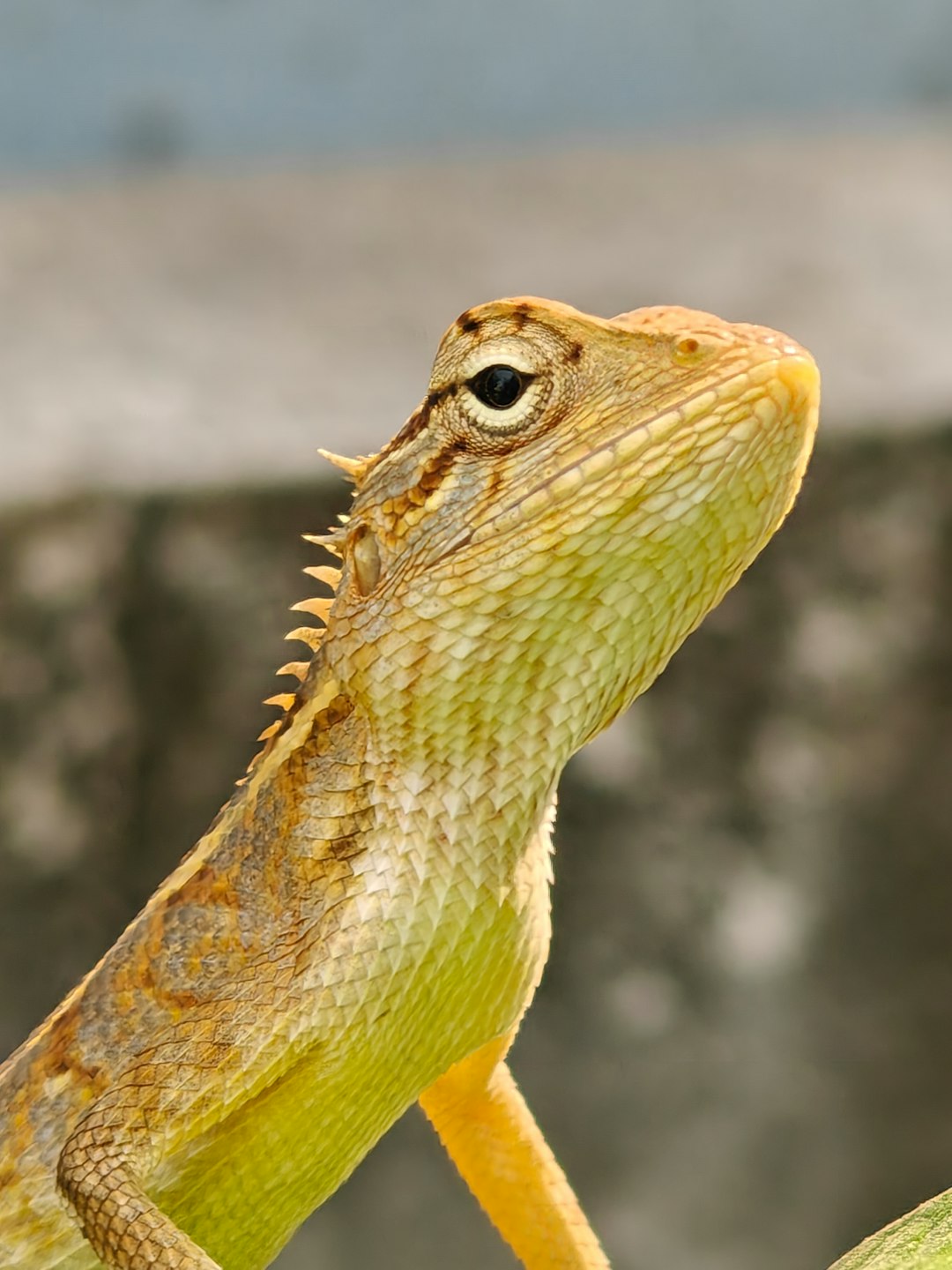
Alligator lizards, primarily referring to species like the Northern Pacific alligator lizard (Elgaria coerulea) and Southern alligator lizard (Elgaria multicarinata), are common in many Western and Southwestern United States regions. They are characterized by their long bodies, often with a distinct lateral fold, and are typically grey, brown, or olive in color. Despite their somewhat intimidating appearance and the “alligator” in their name, these lizards are generally harmless to humans and pets. Their primary diet consists of insects, spiders, slugs, and snails, making them natural pest controllers in your garden. They rarely bite unless provoked or handled, and even then, their bite is not venomous and usually results in only a minor pinch.
The primary reasons homeowners might want to deter them include a general aversion to reptiles, concerns about them getting into homes, or the possibility of them startling children or pets. Understanding their natural behavior and why they might be drawn to your property is the first step in effective management. They seek out environments that provide ample food sources, safe shelter from predators, and access to water. Knowing these basic needs allows for targeted strategies to make your yard less appealing without harming these beneficial creatures.
Eliminating environmental attractants
The most effective long-term strategy for reducing alligator lizard presence is to make your property less inviting by removing the things that attract them. This involves a two-pronged approach: reducing their food sources and eliminating their preferred hiding spots.
- Food sources: Since alligator lizards primarily eat insects, snails, and slugs, reducing these populations will naturally decrease the lizard’s interest in your yard.
- Maintain a tidy garden: Rake up leaves, remove decaying plant matter, and keep grass trimmed. This reduces hiding spots for both the lizards and their prey.
- Control garden pests: If you have a significant slug, snail, or insect problem, addressing it through non-toxic methods (like beer traps for slugs, or introducing beneficial insects that prey on pests) will indirectly deter lizards.
- Shelter and hiding spots: Alligator lizards love cool, damp, and secure places to hide from predators and the elements.
- Remove debris: Piles of rocks, woodpiles, old tarps, discarded garden pots, and construction materials offer perfect refuges. Clear these away and store firewood off the ground.
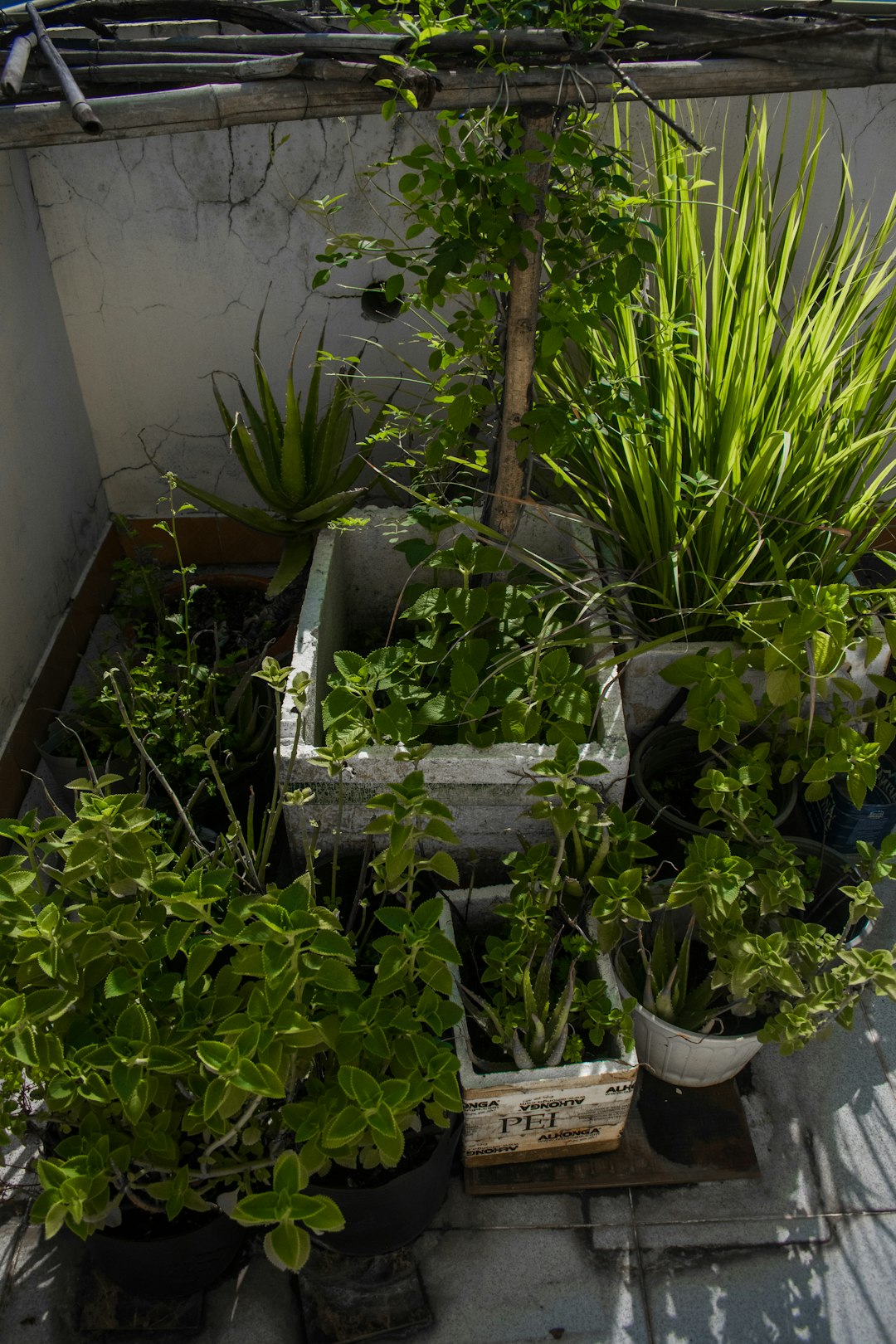
- Trim dense vegetation: Overgrown bushes, low-hanging branches, and thick ground cover provide excellent cover. Trim back shrubs and keep ground cover sparse, especially near your home’s foundation.
- Seal entry points: Inspect your home’s foundation for cracks, gaps around pipes, or unsealed vents. Seal these openings to prevent lizards from entering your house.
Here is a table summarizing common attractants and their solutions:
| Attractant | Why it attracts lizards | Solution |
|---|---|---|
| Abundant insects/slugs | Primary food source | Garden clean-up, natural pest control (e.g., beer traps for slugs) |
| Piles of rocks/wood | Hiding spots, shelter from predators | Clear debris, stack wood off ground |
| Dense ground cover | Shelter, hunting grounds | Trim shrubs, thin ground cover |
| Cracks in foundation | Entry points to cooler, secure spaces | Seal cracks and gaps with caulk or mesh |
| Standing water | Source of hydration | Fix leaks, empty pet bowls regularly |
Humane exclusion and deterrence techniques
Beyond removing attractants, implementing physical barriers and making your yard generally less hospitable can further encourage alligator lizards to seek new territories. These methods focus on exclusion rather than harm.
- Fencing: For particularly persistent issues, a low-profile fence can be effective.
- Install a fence around specific garden areas or your entire yard. The fence should be fine-mesh (1/4 inch or less) and buried at least 6-12 inches into the ground to prevent burrowing underneath. It should also be at least 1-2 feet high to prevent climbing.
- Predator control: While not directly “getting rid of” lizards, encouraging natural predators can help manage populations.
- Avoid using rodenticides or other poisons that could harm raptors (hawks, owls) or other predators (snakes, cats) that might naturally prey on lizards.
- Deterrent plants: Some anecdotal evidence suggests that certain plants with strong odors might deter lizards, though scientific backing is limited.
- Consider planting marigolds, garlic, or other strong-smelling herbs around areas where lizards are frequently seen. These might work by reducing insect populations or simply by their odor.
- Water management: Lizards need water, especially in dry climates.
- Eliminate sources of standing water. Fix leaky outdoor faucets and irrigation systems. Ensure pet water bowls are not left out overnight or emptied regularly.
Safe capture and relocation
If you have an alligator lizard that has found its way into your home or you need to remove a persistent individual from a specific area, humane capture and relocation is the safest option. Avoid direct contact with your bare hands, as they may bite defensively.
- Capture methods:
- For indoor lizards, gently sweep the lizard into a dustpan or onto a piece of cardboard using a broom, then cover it with an inverted bucket or container.
- Alternatively, you can place a small, shallow box (like a shoebox) on its side near where the lizard is active. You might bait it with a small insect. Once the lizard enters, gently close the lid.
- Commercial live traps designed for small reptiles or rodents can also be used. Bait them with small pieces of fruit, insects, or a dab of peanut butter (though peanut butter is more for rodents). Check traps frequently to prevent distress to the lizard.
- Relocation: Once captured, transport the lizard to a suitable habitat at least a few miles from your property.
- Look for natural areas with dense vegetation, rocks, and access to water, similar to their natural environment. Avoid releasing them in urban or residential areas where they might become a nuisance to others.
- Release them gently, allowing them to crawl out of the container at their own pace.
- When to call a professional: If you are uncomfortable handling the lizards, if you have a persistent large infestation that standard methods aren’t addressing, or if you suspect you might be dealing with a different, potentially venomous reptile (though unlikely for alligator lizards), it’s best to contact a local wildlife removal service or animal control. They have the expertise and equipment for safe and humane removal.
Managing alligator lizards in your yard doesn’t require drastic measures or harmful chemicals. By understanding their ecological role and needs, homeowners can implement simple, humane strategies to encourage these beneficial reptiles to find more suitable habitats elsewhere. Focus on making your yard less appealing by removing food sources and shelter, maintaining a tidy environment, and, if necessary, utilizing gentle exclusion techniques. Remember, these lizards are often a sign of a healthy ecosystem, and coexisting with them, or at least guiding them away from your immediate living spaces, is the most responsible approach. A little diligence in yard maintenance and thoughtful deterrence can lead to a peaceful resolution for both you and your reptilian neighbors, ensuring your outdoor space remains comfortable and inviting for humans, yet unappealing for alligator lizards looking for a permanent residence.
Image by: Greg Jewett