The vibrant, often colossal blooms of hibiscus flowers evoke images of tropical paradises, leading many gardeners in the colder climates of the Northeast to believe these stunning plants are beyond their reach. However, this delightful assumption is far from the truth! While true tropical hibiscus varieties (*Hibiscus rosa-sinensis*) might struggle with frosty winters, a select group of hardy hibiscus cultivars are not only adapted but actively thrive in the varying temperatures and shorter growing seasons characteristic of the Northeastern United States. From robust shrubs to herbaceous perennials that burst forth with dinner-plate-sized flowers, there’s a hibiscus perfectly suited to add an exotic flair to your New England, New York, or Mid-Atlantic garden. This article will explore the resilient varieties that can transform your landscape and provide essential tips for their successful cultivation.
Understanding hibiscus hardiness for the Northeast
The key to successfully growing hibiscus in the Northeast lies in understanding the crucial distinction between tropical and hardy varieties. Tropical hibiscus (*Hibiscus rosa-sinensis*) are stunning plants, but their delicate nature means they cannot withstand freezing temperatures, making them unsuitable for perennial outdoor growth in USDA Plant Hardiness Zones generally ranging from 4 to 7 across the Northeast. They are typically grown as annuals or container plants brought indoors for winter protection.
Conversely, hardy hibiscus varieties are herbaceous perennials or deciduous shrubs specifically bred and naturally adapted to endure cold winters, often dying back to the ground in fall and re-emerging robustly in spring. These resilient plants are the focus for Northeastern gardeners seeking long-term beauty. Their hardiness ratings typically fall within USDA Zones 4-9, ensuring they can overwinter reliably even in colder regions of the Northeast. Identifying the right type is the first critical step towards enjoying these magnificent blooms year after year.
Hardy hibiscus varieties thriving in the Northeast
Northeastern gardeners have two primary categories of hardy hibiscus to choose from, each offering distinct growth habits and floral displays:
The elegant rose of sharon (*Hibiscus syriacus*)
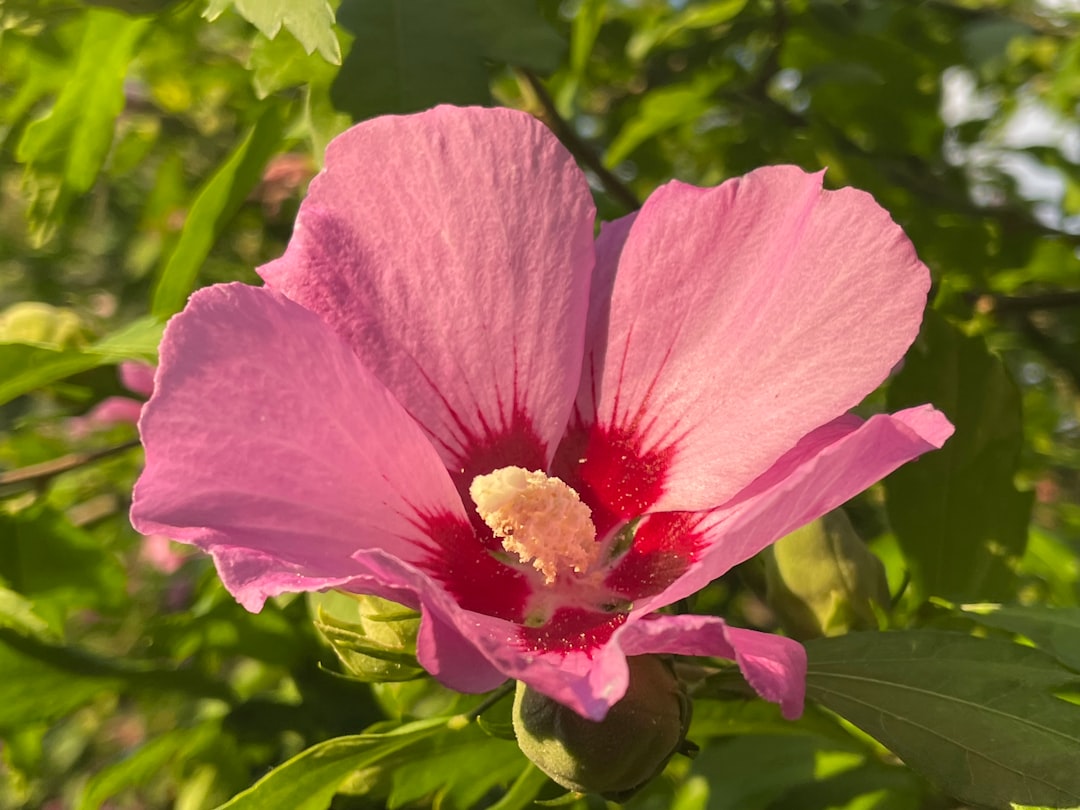
Often seen gracing older gardens, the Rose of Sharon is a deciduous shrub that can grow quite large, offering an abundance of smaller, trumpet-shaped flowers from mid-summer through fall. Its woody stems are fully hardy, surviving winter above ground. These plants are incredibly resilient and can tolerate a range of soil conditions once established. They typically grow to 8-12 feet tall and 4-8 feet wide, making them excellent choices for hedges, specimen plants, or borders. While its flowers are generally smaller than those of its herbaceous cousins, their sheer quantity and extended bloom time provide continuous color.
| Cultivar Name | Flower Color | Key Feature | USDA Hardiness Zone |
|---|---|---|---|
| ‘Blue Chiffon’ | Lavender-blue | Double, lacy petals; sterile, no self-seeding | 5-9 |
| ‘Sugar Tip’ | Light pink | Variegated foliage, semi-double flowers | 5-9 |
| ‘Red Heart’ | White with red center | Classic single white bloom with striking red eye | 5-9 |
| ‘Lavender Chiffon’ | Lavender-pink | Large, semi-double flowers | 5-9 |
The show-stopping hardy hibiscus (*Hibiscus moscheutos*)
Also known as swamp hibiscus or dinnerplate hibiscus, *Hibiscus moscheutos* is an herbaceous perennial that truly lives up to its name with gigantic blooms, often 8-12 inches across. Unlike the Rose of Sharon, this variety dies back completely to the ground each winter, emerging anew from its roots in late spring. These plants grow rapidly in a single season to form bushy clumps 3-6 feet tall and wide, making them ideal for perennial borders or wetland gardens. Their dramatic flowers, typically appearing from mid-summer until frost, come in an array of vibrant colors with often contrasting eyes.
Popular cultivars in the Northeast include:
- ‘Luna Red’: Features deep red, dinner-plate sized blooms on a compact plant.
- ‘Kopper King’: Known for its striking copper-colored foliage and massive pink flowers with a red eye.
- The ‘Summerific’ series by Proven Winners:
- ‘Berry Awesome’: Offers large, lavender-pink flowers with a red eye.
- ‘Holy Grail’: Boasts deep red flowers and dark, maple-like foliage.
- ‘Perfect Storm’: Features dark, dissected foliage with white flowers blushed pink, and a red eye.
Cultivation tips for Northeast gardeners
To ensure your hardy hibiscus thrives in the Northeastern climate, consider these essential cultivation practices:
- Sunlight: Both Rose of Sharon and *Hibiscus moscheutos* demand full sun, meaning at least 6-8 hours of direct sunlight daily, for optimal flowering and robust growth. In shadier conditions, they may become leggy and produce fewer blooms.
- Soil: Well-drained soil is paramount. While they tolerate various soil types, a rich, loamy soil with a slightly acidic to neutral pH (6.0-7.0) is ideal. Amending heavy clay soils with organic matter will improve drainage and fertility.
- Watering: Consistent moisture is crucial, especially for newly planted specimens and during dry spells throughout the growing season. *Hibiscus moscheutos* in particular, being a “swamp hibiscus” by nature, appreciates more consistent moisture than Rose of Sharon, though both dislike soggy, waterlogged conditions.
- Fertilizing: A balanced, slow-release granular fertilizer applied in early spring as new growth emerges will support vigorous growth and abundant flowering. Avoid high-nitrogen fertilizers, which can promote foliage at the expense of blooms.
- Pruning:
- Rose of Sharon: Prune in late winter or early spring before new growth appears. You can prune for shape, size, or to remove dead or crossing branches. Flowers form on new wood, so aggressive pruning won’t sacrifice blooms.
- Hardy Hibiscus (*Hibiscus moscheutos*): As an herbaceous perennial, simply cut the dead stems back to 4-6 inches from the ground in late fall after the first hard frost, or in early spring before new growth emerges. Be patient; they are often late to emerge in spring.
- Winter Protection: Established hardy hibiscus typically do not require special winter protection within their recommended zones. For young plants or those at the colder edge of their hardiness range, a layer of mulch around the base in late fall can provide extra insulation.
The notion that hibiscus flowers are exclusive to tropical regions is a delightful misconception easily disproven by the stunning resilience of hardy varieties cultivated in the Northeast. As we’ve explored, both the elegant shrub-form Rose of Sharon (*Hibiscus syriacus*) and the dramatic herbaceous perennial *Hibiscus moscheutos* offer vibrant, long-lasting blooms perfectly suited for gardens from Connecticut to Maine. By selecting the appropriate hardy cultivar, understanding their specific light and soil requirements, and implementing sound cultivation practices, gardeners in the Northeast can confidently integrate these show-stopping plants into their landscapes. From the compact ‘Luna Red’ to the towering ‘Sugar Tip’, there is a hibiscus ready to transform your garden into a summer oasis. Embrace the opportunity to add an exotic, yet perfectly adaptable, touch to your Northeastern garden and enjoy the enduring beauty these remarkable plants provide.
Image by: Yuka Tanaka