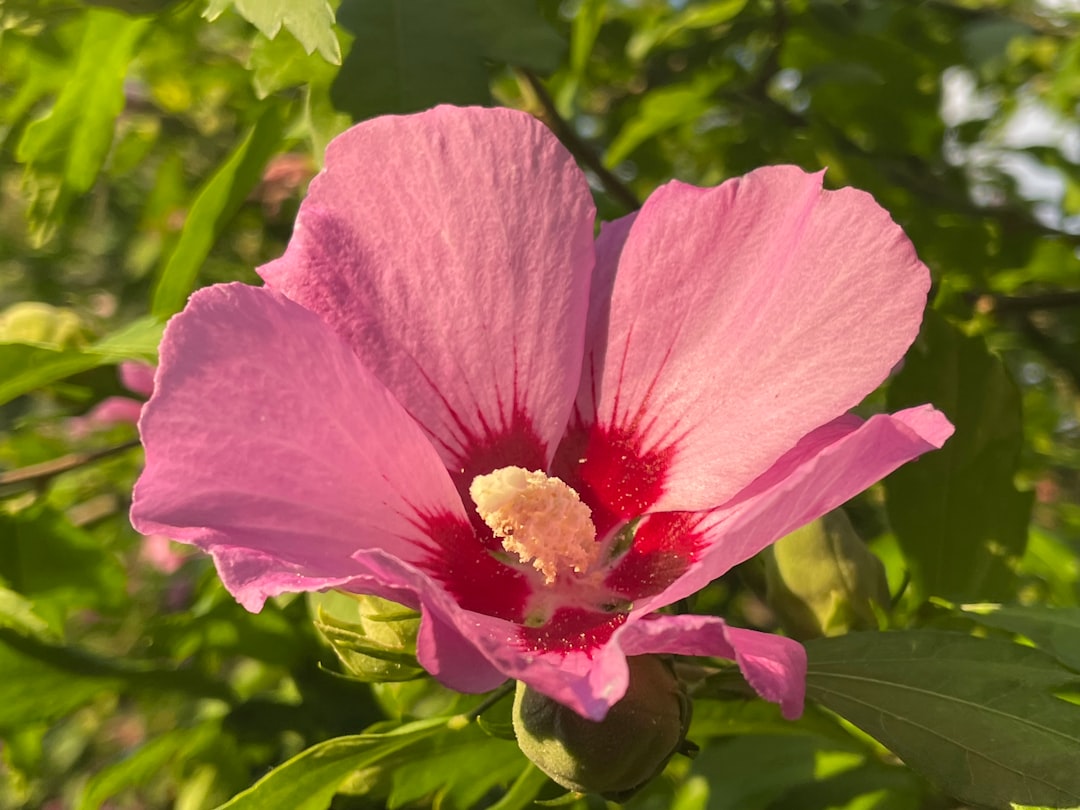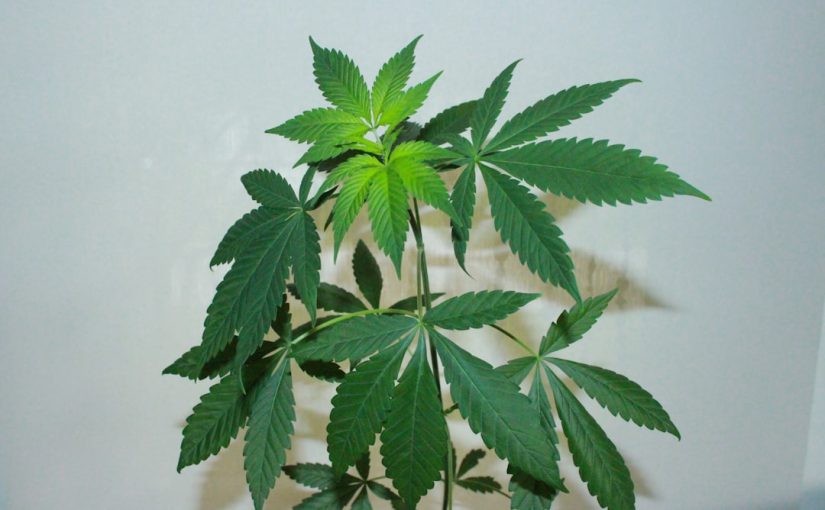
The vibrant, tropical hibiscus plant is a stunning addition to any garden or home, celebrated for its large, showy blooms that instantly evoke a sense of paradise. However, even the most dedicated plant parents can face a common and disheartening sight: drooping hibiscus leaves. This isn’t just a minor aesthetic flaw; it’s a clear signal from your plant that something isn’t quite right in its environment or care routine. Understanding why your hibiscus might be wilting is the first crucial step towards reviving its lush foliage and ensuring its continued health and spectacular flowering. From basic watering issues to more complex environmental stressors or pest infestations, delving into the potential causes will equip you with the knowledge to diagnose and treat your struggling hibiscus, bringing it back to its former glory.
Watering woes: the essential balance
One of the most frequent culprits behind drooping hibiscus leaves stems from improper watering. Both too much and too little water can lead to similar-looking symptoms, making accurate diagnosis critical. Hibiscus plants thrive on consistent moisture but absolutely loathe sitting in soggy soil.
Underwatering: When your hibiscus doesn’t receive enough water, its leaves will begin to wilt as the plant struggles to maintain turgor pressure. They might feel dry or crispy to the touch, and the soil will often be bone dry. This is particularly common in hot, dry climates, in smaller pots that dry out quickly, or if the plant has been neglected. The plant essentially conserves moisture by allowing its leaves to droop, reducing the surface area exposed to evaporation. A consistent watering schedule, checking the top inch or two of soil before watering, and ensuring deep, thorough saturation when you do water, are key. However, avoid sudden, massive flooding after prolonged drought, as this can also shock the plant.
Overwatering: Conversely, overwatering can be equally, if not more, detrimental. When the soil remains constantly wet, the roots are deprived of oxygen, leading to root rot. Root rot is a fungal disease that causes the roots to become mushy and ineffective at absorbing water and nutrients, paradoxically leading to wilting leaves despite the soil being wet. The leaves might appear yellow along with drooping, and the soil might smell foul or have a greenish mold on the surface. To remedy this, allow the soil to dry out considerably between waterings, ensure your pot has adequate drainage holes, and consider repotting with fresh, well-draining soil if root rot is suspected. A general guide for watering frequency might look like this:
| Factor | Underwatering Symptoms | Overwatering Symptoms |
|---|---|---|
| Leaves | Dry, crispy, curl inwards, dull appearance, may turn yellow then brown | Drooping but feel turgid, often yellowing, may drop prematurely |
| Soil | Bone dry, pulls away from pot edges | Consistently wet, heavy, may have mold or foul odor |
| Stem | May appear brittle | Soft, mushy near soil line |
| Roots | Dry, shriveled (if inspected) | Brown, mushy, rotten smell (if inspected) |
| Action | Water thoroughly until drainage, establish routine | Allow to dry, improve drainage, consider repotting for root rot |
Unearthing issues: soil and nutrient deficiencies
Beyond water, the quality of the soil and the availability of essential nutrients play a critical role in your hibiscus’s vitality. These plants are known to be relatively heavy feeders, especially during their active growing season. A lack of crucial nutrients, or an imbalanced soil pH, can severely impact their health, often manifesting as drooping or discolored leaves.
Nutrient deficiencies: Hibiscus plants require a balanced diet of macro and micronutrients. A common deficiency is nitrogen, which typically leads to an overall yellowing of older leaves and stunted growth before drooping. Potassium deficiency can result in brown or scorched leaf margins and weak stems. Micronutrient deficiencies, such as iron or magnesium, often cause interveinal chlorosis, where the veins remain green but the tissue between them turns yellow. This impairs photosynthesis and overall plant vigor, making leaves weak and prone to drooping. Regular feeding with a balanced, slow-release hibiscus-specific fertilizer during the growing season can prevent many of these issues.
Soil pH and compaction: Hibiscus prefer a slightly acidic to neutral soil pH, ideally between 6.0 and 7.0. If the pH is too high (alkaline) or too low (acidic), even if nutrients are present in the soil, the plant cannot absorb them efficiently. This ‘nutrient lockout’ can mimic deficiency symptoms. A soil test kit can help you determine your soil’s pH and guide amendments. Furthermore, compacted soil is a silent killer. It restricts root growth, prevents proper aeration (leading to oxygen deprivation for roots), and hinders water drainage and absorption. This creates a stressful environment for roots, preventing them from drawing up enough water, leading to wilting leaves despite adequate watering. Regular aeration, incorporating organic matter, and avoiding heavy foot traffic around the plant can help maintain healthy soil structure.
The battle against tiny foes: pests and diseases
Even with perfect watering and nutrition, your hibiscus can fall victim to pests and diseases that directly impact its ability to thrive, leading to drooping foliage. These invaders can sap the plant’s energy or damage its vascular system, causing widespread stress.
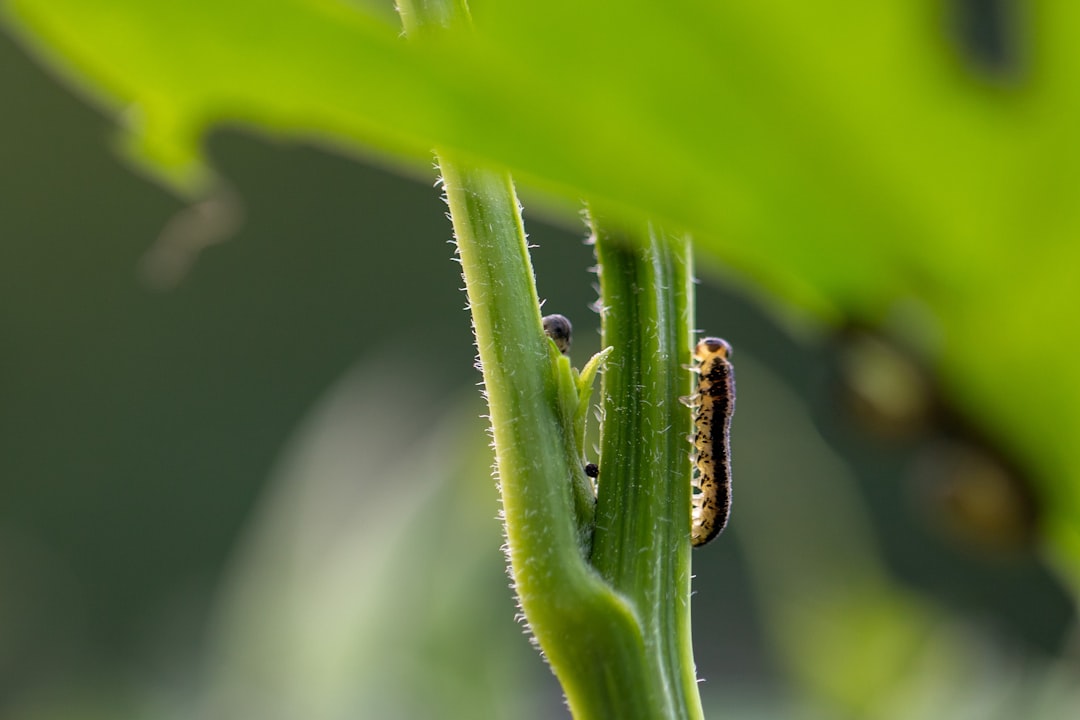
Common pests: Several notorious pests target hibiscus. Aphids, tiny pear-shaped insects, often cluster on new growth, sucking sap and causing leaves to curl, distort, and eventually droop. Spider mites are almost invisible but leave tell-tale signs like fine webbing on the undersides of leaves and a stippled, dusty appearance as they feed. Mealybugs appear as cottony white masses, usually in leaf axils or along stems, exuding a sticky honeydew. Whiteflies are small, white-winged insects that fly up in a cloud when disturbed. All these sap-sucking pests deprive the plant of vital fluids and nutrients, weakening it significantly and leading to wilting. Regular inspection, especially on the undersides of leaves and new growth, is crucial for early detection. Treatment often involves insecticidal soaps, horticultural oils, neem oil, or simply a strong spray of water to dislodge them.
Fungal and bacterial diseases: While pests are more visibly obvious, diseases can be insidious. Root rot, as mentioned earlier, is a common fungal issue caused by excessive moisture. It destroys the root system, preventing water uptake and causing irreversible drooping. Prevention through proper watering and drainage is key. Botrytis blight (gray mold) can affect leaves and flowers in humid conditions, causing soft, brown spots that can lead to wilting. Leaf spot diseases, caused by various fungi, create distinct spots on leaves which, if severe, can lead to premature leaf drop and overall plant stress. Good air circulation, proper spacing, and avoiding overhead watering can minimize fungal problems. In severe cases, specific fungicides might be necessary, but preventative measures are always the best defense.
Environmental challenges: navigating light, temperature, and shock
Hibiscus plants are sensitive to their surroundings, and environmental stressors can quickly cause their leaves to droop as a protective mechanism or a sign of distress. Understanding their preferred conditions can help prevent these issues.
Temperature extremes: Tropical hibiscus thrives in warm temperatures, ideally between 60-90°F (15-32°C). Exposure to temperatures below 50°F (10°C) can cause chilling injury, leading to drooping, yellowing, and eventual leaf drop. If temperatures dip too low, especially suddenly, the plant experiences cold shock. Conversely, extreme heat, particularly when combined with low humidity, can cause the plant to wilt temporarily even if the soil is moist. This is a survival mechanism called excessive transpiration, where the plant tries to conserve moisture by reducing the surface area of its leaves exposed to the sun. Providing some afternoon shade during scorching summer days can help mitigate heat stress.
Light levels: Hibiscus needs plenty of bright light to flourish, typically at least six hours of direct sunlight per day. However, a sudden change in light conditions can be detrimental. Moving a plant from a shady spot directly into intense, full sun can cause sunburn and temporary wilting as the leaves struggle to adapt. Similarly, insufficient light can lead to stretched, leggy growth and pale, weak leaves that droop due to lack of energy for proper turgor. Gradually acclimatizing your hibiscus to new light conditions is vital. For indoor plants, rotate them periodically to ensure even light exposure.
Transplant shock: Repotting or relocating a hibiscus can be a stressful experience for the plant, often resulting in temporary leaf drooping. This is known as transplant shock, caused by root disturbance, a change in environment (temperature, light, humidity), and the plant’s need to re-establish its root system in the new medium. To minimize shock, repot carefully, ensure the new pot is appropriately sized, and keep the plant well-watered (but not waterlogged) and in a consistent, favorable environment for a few weeks post-transplant. Drooping should subside as the plant settles into its new home.
When your beautiful hibiscus starts to droop, it’s more than just a visual concern; it’s a critical message about its well-being. As we’ve explored, the causes are diverse, ranging from the easily rectifiable issues of over or underwatering to more complex problems like nutrient deficiencies, pest infestations, diseases, or environmental stressors. The key to successful intervention lies in careful observation and systematic diagnosis. By meticulously checking soil moisture, inspecting leaves for signs of pests or discoloration, and evaluating the plant’s exposure to light and temperature, you can pinpoint the specific stressor affecting your plant. Remember, each drooping leaf tells a story, and with a little investigative work and timely action, you can often reverse the damage and guide your hibiscus back to its vibrant, flowering self. A healthy hibiscus is a testament to attentive care, rewarding you with its breathtaking tropical charm season after season.
Image by: Angela Orenda