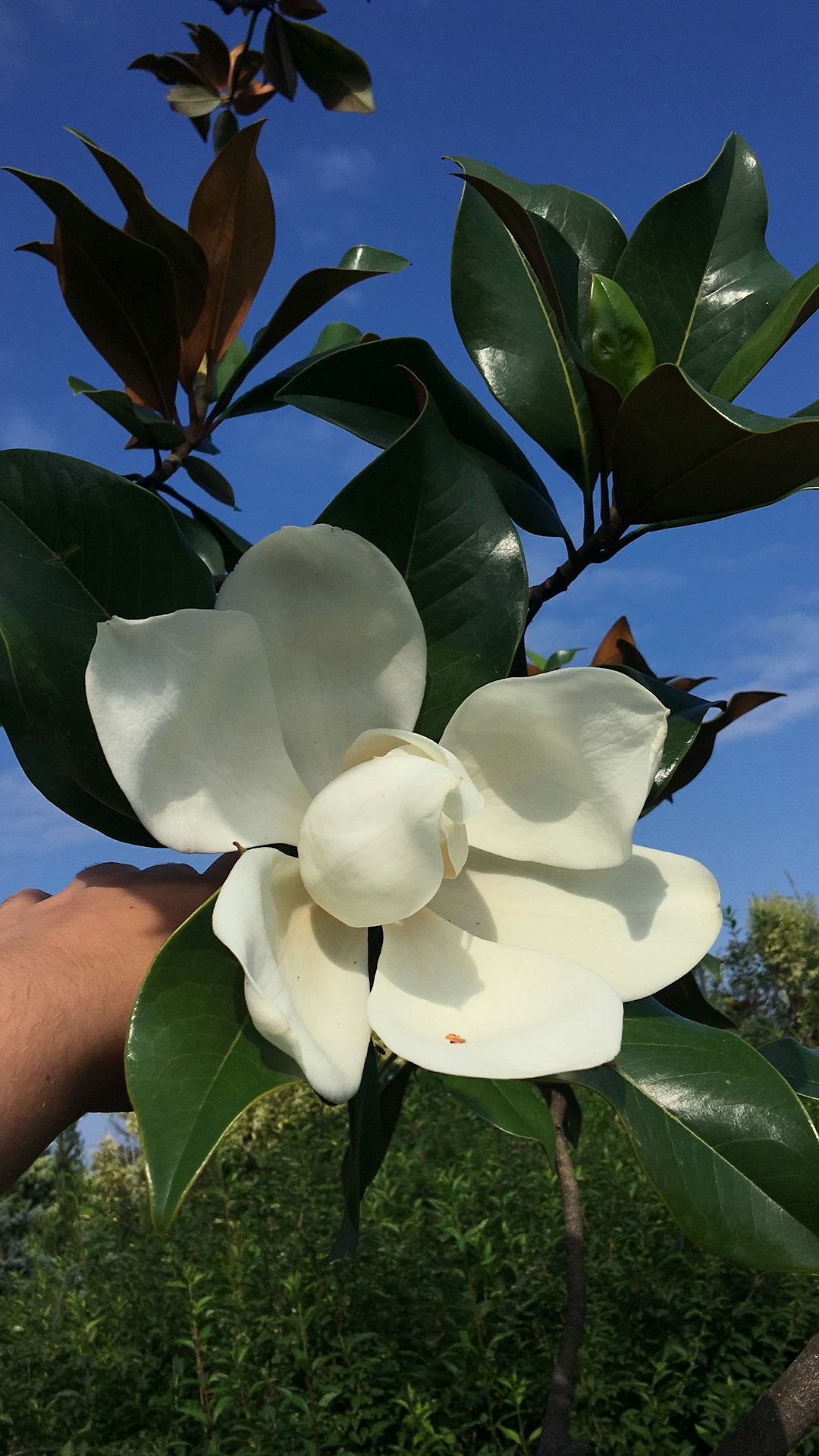
The majestic Angel’s Trumpet, with its dramatic, pendulous blossoms and intoxicating fragrance, is a true showstopper in any garden. Known botanically as Brugmansia, these tropical beauties demand specific care to unleash their full blooming potential, and perhaps no aspect of their cultivation is more critical than proper fertilization. While their stunning appearance might suggest they are high-maintenance, understanding their unique nutritional requirements can transform a struggling plant into a prolific bloomer. This article will delve into the science behind feeding your Angel’s Trumpet, exploring the ideal nutrient ratios, various fertilizer types, and strategic application methods to ensure your garden is graced with an abundance of these ethereal flowers.
Understanding angel’s trumpet’s nutritional needs
For an Angel’s Trumpet to thrive and produce its signature abundant blooms, it requires a balanced diet of macro and micronutrients. The three primary macronutrients—Nitrogen (N), Phosphorus (P), and Potassium (K)—play distinct roles in plant development. Nitrogen primarily promotes lush, leafy growth. While essential for overall plant health, excessive nitrogen can encourage foliage at the expense of flowers, which is counterproductive for a plant grown for its blossoms. Phosphorus is the powerhouse for flower formation, fruit development, and strong root growth. It is absolutely critical for prolific blooming in Brugmansia. Lastly, Potassium contributes to overall plant vigor, disease resistance, and helps regulate water and nutrient movement within the plant, directly impacting flower quality and quantity. Beyond these, micronutrients like magnesium, calcium, iron, and boron are also vital in smaller quantities, facilitating various metabolic processes. Understanding these roles is the first step toward selecting the right fertilizer.
The ideal NPK ratios for spectacular blooms
To maximize the breathtaking display of an Angel’s Trumpet, the NPK ratio of your fertilizer must be carefully selected and adjusted throughout the growing season. During the initial growth phase in spring, a balanced fertilizer, such as a 10-10-10 or 20-20-20, can be beneficial to establish strong foliage and root systems. However, once the plant is established and you want to encourage flowering, the focus must shift dramatically towards a fertilizer with a higher phosphorus content and lower nitrogen. Formulas like 5-10-5, 2-8-4, or even specialized “bloom booster” fertilizers with ratios such as 15-30-15 or 10-50-10 are highly effective. The lower nitrogen prevents excessive leaf production, directing the plant’s energy towards producing more flower buds. The elevated phosphorus directly fuels the development of these buds, leading to larger, more numerous, and more vibrant blooms. Potassium should remain moderately high to support overall plant health and the quality of the flowers produced.
Types of fertilizers and their application
Choosing the right type of fertilizer depends on your preference for application frequency, speed of nutrient release, and whether you prefer organic or synthetic options. There are generally two main categories:
- Liquid fertilizers: These are fast-acting and provide nutrients quickly, as they are immediately available to the plant roots. They are often diluted with water and applied as a soil drench or foliar spray. Their quick action means you see results faster, but also require more frequent application.
- Granular fertilizers: These come in two forms:
- Quick-release granular: Provide nutrients relatively quickly, usually dissolving with irrigation.
- Slow-release granular: Coated granules gradually release nutrients over weeks or months, reducing the frequency of application. They are excellent for consistent feeding and preventing nutrient burn.
- Organic fertilizers: Options like bone meal (high P), blood meal (high N), fish emulsion (balanced), composted manure, and worm castings offer a slower, more natural release of nutrients while also improving soil structure and microbial life. While beneficial for long-term soil health, their nutrient analysis can be less precise, and results may take longer to appear.
Here’s a brief comparison of application considerations:
| Fertilizer Type | Nutrient Release | Application Frequency | Key Advantage |
|---|---|---|---|
| Liquid (e.g., 2-8-4) | Fast | Weekly/Bi-weekly | Immediate impact, precise control |
| Slow-release Granular (e.g., 10-30-10) | Slow (2-4 months) | Every 2-4 months | Consistent feeding, less effort |
| Bone Meal (Organic) | Slow | Annually/Bi-annually | Improves soil, excellent P source |
When applying, always read product labels carefully for specific dilution and application rates. Over-fertilization can be detrimental, leading to nutrient burn or excessive vegetative growth at the expense of blooms.
A feeding schedule for continuous flowering
A consistent and strategic feeding schedule is paramount for keeping your Angel’s Trumpet blooming continuously throughout its active growing season. Starting in early spring, as new growth emerges, you can begin with a balanced fertilizer to establish a strong foundation. Once the plant is actively growing and temperatures consistently warm, typically late spring or early summer, transition to a fertilizer high in phosphorus and moderate in potassium. This is the crucial period for encouraging flower bud development. Continue this high-phosphorus regimen every 1-2 weeks for liquid fertilizers, or as per the manufacturer’s instructions for slow-release granules, throughout the summer and into early fall. Container-grown plants generally require more frequent feeding due to nutrient leaching. As winter approaches or temperatures drop, gradually reduce fertilization, eventually stopping completely during dormancy to allow the plant to rest. Monitor your plant’s health closely; yellowing leaves might indicate a nutrient deficiency, while burnt leaf tips could signal over-fertilization. Adjust your schedule and ratios based on your plant’s response and local growing conditions to achieve the best results.
Mastering the art of fertilizing your Angel’s Trumpet is a rewarding endeavor that directly translates into a more spectacular display of its enchanting blooms. We’ve explored the plant’s fundamental nutritional requirements, emphasizing the critical role of phosphorus for prolific flowering, while also balancing nitrogen and potassium for overall health. From understanding ideal NPK ratios for different growth stages to choosing between fast-acting liquids, convenient slow-release granules, or soil-enriching organic options, you now have a comprehensive toolkit. Implementing a thoughtful feeding schedule, adjusting to your plant’s needs and seasonal changes, will ensure your Brugmansia thrives. By applying these insights, you are well-equipped to nurture these magnificent plants, ensuring they remain vibrant, healthy, and consistently adorned with their signature fragrant trumpets, transforming your garden into a truly magical space.
Image by: Remya Pramod