The majestic blue spruce (Picea pungens) stands as a symbol of rugged beauty in many landscapes, cherished for its distinctive silvery-blue needles. This iconic coloration is not just a genetic gift but also a nuanced display influenced by various environmental and nutritional factors. For many gardeners and landscapers, the quest to deepen and enhance this coveted blueness is a common goal, transforming a merely attractive tree into a stunning focal point. Understanding the science behind the blue spruce’s unique hue – from its protective waxy coating to the critical role of soil chemistry and nutrient availability – is the first step in unlocking its full chromatic potential. This article will delve into practical, science-backed strategies to help your blue spruce truly live up to its name, ensuring it exhibits the most vibrant and breathtaking blue possible.
Understanding the Blue Spruce’s Natural Pigmentation
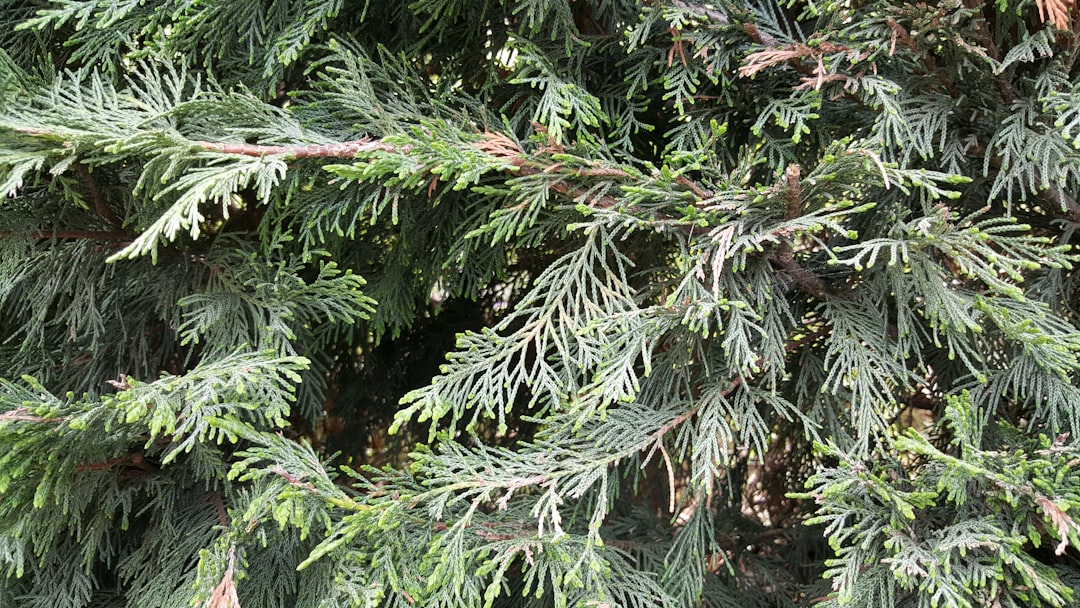
The striking blue coloration of the Colorado blue spruce isn’t due to a blue pigment within the needles themselves, but rather a fascinating optical illusion created by a dense layer of epicuticular wax. This wax, known as a “glaucous bloom,” is a natural protective coating that covers the green chlorophyll-containing needles. It scatters light, particularly the blue wavelengths, making the needles appear blue or silvery-blue. The amount and density of this waxy coating are primarily dictated by the tree’s genetics. Cultivars like ‘Hoopsii’, ‘Fat Albert’, and ‘Moerheimii’ are renowned for their intensely blue needles because they are genetically programmed to produce a thicker wax layer. While you cannot change a tree’s genetic blueprint, understanding this foundational aspect helps set realistic expectations for enhancement. Beyond genetics, sufficient sunlight is paramount; trees in full sun exposure typically develop a more pronounced wax layer, leading to a deeper blue, as the wax also serves to reflect harsh UV radiation.
The Critical Role of Soil pH and Composition
The vibrancy of your blue spruce’s color is profoundly influenced by the condition and chemistry of its soil. Blue spruces thrive in well-draining, loamy soils with a slightly acidic to neutral pH, ideally between 6.0 and 7.0. Soil pH plays a crucial role in nutrient availability. When the soil becomes too alkaline (above 7.0), essential micronutrients like iron, manganese, and zinc, which are vital for overall tree health and indirectly support wax production, can become “locked up” and unavailable to the roots. This can lead to yellowing (chlorosis) and a duller, greener appearance. Regular soil testing is the best way to determine your current pH and nutrient levels. If the pH is too high, amendments such as elemental sulfur or peat moss can be carefully incorporated to gradually lower it. Conversely, if the soil is too acidic, dolomitic lime can be used to raise it, though this is less common for blue spruces.
Strategic Fertilization and Micronutrient Management
While nitrogen is essential for growth, an overabundance can promote lush green foliage at the expense of blueness. The key to enhancing the blue hue lies in a balanced approach, focusing on specific micronutrients that support robust health and wax production. Iron and sulfur are particularly important. Iron is a crucial component of chlorophyll synthesis, and while it doesn’t directly create blue wax, a healthy tree with proper iron uptake is better equipped to produce a dense, protective wax layer. Sulfur contributes to overall plant vigor and can help acidify the soil, improving the availability of other nutrients. Chelated iron products are often effective for trees showing signs of iron deficiency in alkaline soils, as the chelated form makes the iron more readily absorbable. Consider using a slow-release, acid-forming fertilizer formulated for evergreens, as these often contain the right balance of macro and micronutrients. Avoid over-fertilizing, which can stress the tree and lead to other problems.
Here’s a quick look at key nutrients and their impact:
| Nutrient | Primary Role | Impact on Blueness/Health |
|---|---|---|
| Nitrogen (N) | Leaf and stem growth | Excess can promote green growth; balanced levels are crucial. |
| Phosphorus (P) | Root and flower development | Supports overall tree health, indirectly aids wax production. |
| Potassium (K) | Overall plant vigor, disease resistance | Essential for robust health, which leads to better wax. |
| Iron (Fe) | Chlorophyll formation | Prevents chlorosis, supports healthy needle development. |
| Sulfur (S) | Protein synthesis, soil acidification | Enhances nutrient availability, contributes to vigor. |
| Manganese (Mn) | Photosynthesis, enzyme activation | Supports metabolic functions, overall tree health. |
Optimal Watering and Environmental Conditions
Consistent and appropriate watering is fundamental to the health and aesthetic appeal of your blue spruce. While established blue spruces are relatively drought-tolerant, they still require consistent moisture, especially during dry spells and in their formative years. Inconsistent watering or prolonged drought stress can lead to a less vigorous tree that produces less protective wax, resulting in duller, greener needles. Deep, infrequent watering is preferable to shallow, frequent watering, as it encourages deeper root growth. Ensure the tree is never waterlogged, as this can lead to root rot. Beyond watering, ensuring your blue spruce receives full sun for at least 6-8 hours daily is non-negotiable for maximizing its blue potential. Trees planted in shaded conditions will inevitably appear greener and less vibrant, as they produce less of the reflective waxy coating. Furthermore, protecting your tree from significant pest infestations and diseases helps maintain its overall health, allowing it to dedicate energy to producing that beautiful blue bloom rather than fighting off stressors.
Achieving the most intense blue from your blue spruce is a rewarding endeavor that combines understanding its natural biology with diligent care. While genetic predisposition sets the baseline for blueness, implementing strategic cultural practices can significantly enhance this iconic coloration. By focusing on maintaining a slightly acidic, well-draining soil pH, providing targeted micronutrient fertilization (especially iron and sulfur), ensuring consistent deep watering, and, critically, planting in a location with abundant full sunlight, you empower your tree to produce its thickest, most vibrant protective wax layer. Remember that patience and observation are key; changes won’t happen overnight but will gradually improve with consistent, thoughtful care. Ultimately, a healthy, stress-free blue spruce, nurtured in optimal conditions, is one that will proudly display its most magnificent, shimmering blue, becoming a true masterpiece in your landscape.
Image by: Naoki Suzuki