The sudden appearance of a hornet nest near your home can be an alarming discovery, posing a significant threat to family and pets. Hornets, known for their aggressive nature when disturbed and their painful, potentially dangerous stings, necessitate swift and effective removal. While commercial pesticides are readily available, many homeowners seek alternatives that are both cost-effective and allow for greater control over the chemicals introduced into their environment. This article will guide you through the process of creating your own homemade hornet killer, offering practical recipes and essential safety advice to help you tackle these unwelcome guests responsibly. From understanding the core ingredients to applying your solution effectively, we’ll equip you with the knowledge to manage a hornet problem with confidence.
Understanding the hornet threat and the appeal of homemade solutions
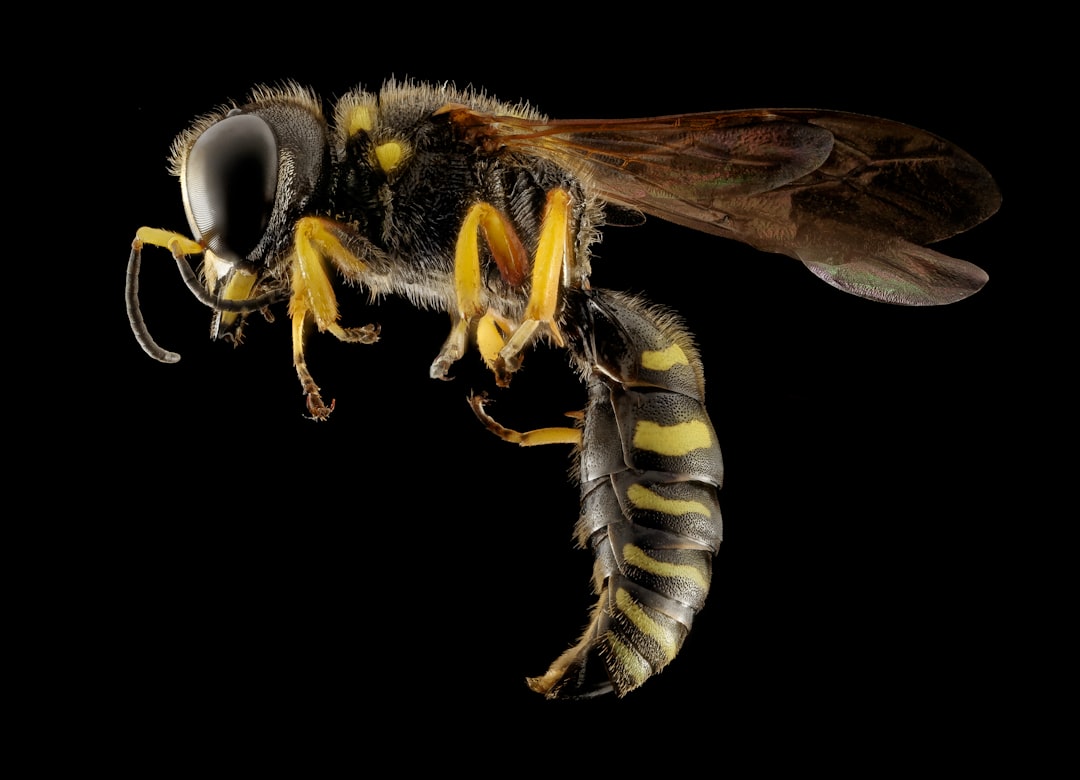
Before diving into solutions, it’s vital to recognize the adversary. Hornets, particularly species like the European hornet or bald-faced hornet, are formidable insects. They are predatory wasps, larger than typical yellow jackets, and their nests, often found in trees, eaves, or even underground, can house hundreds of individuals. A hornet sting is not only painful but can be dangerous for individuals with allergies, potentially leading to anaphylaxis. This immediate danger drives many homeowners to seek rapid control.
The appeal of a homemade hornet killer stems from several factors. Firstly, cost-effectiveness: ingredients are often common household items, saving money compared to specialized pesticides. Secondly, chemical control: by mixing your own solution, you know exactly what chemicals are being used around your home and garden, which is a concern for those with children, pets, or organic gardens. Lastly, immediate availability: in an emergency, you can often whip up a solution faster than traveling to a store for a commercial product. However, it’s crucial to approach this task with respect for the insects and a strong emphasis on personal safety.
The science behind homemade solutions: key ingredients explained
Homemade hornet killers typically rely on a combination of common household items that disrupt the hornet’s biology or behavior. Understanding how these ingredients work is key to creating an effective solution.
Dish soap: This is often the primary active ingredient. When mixed with water, dish soap dramatically reduces the surface tension of the water. Hornets, like many insects, breathe through tiny holes called spiracles located along their bodies. When sprayed with soapy water, the low surface tension allows the solution to quickly coat and clog these spiracles, suffocating the hornet. The soap also breaks down the hornet’s waxy exoskeleton, making them more vulnerable.
Vinegar: White vinegar, an acetic acid solution, acts primarily as an irritant and a repellent. While it may not instantly kill hornets on contact in the same way soap does, its strong scent and acidic nature can disorient and deter them. When used in conjunction with soap, it can add an extra layer of disruption to the hornet’s system.
Essential oils: Certain essential oils, such as peppermint, clove, or citronella, are known insect repellents. They contain compounds that are noxious or disorienting to hornets. While not lethal on their own, adding a few drops to a soapy water solution can enhance its effectiveness by irritating the hornets’ senses, potentially causing them to flee or reducing their aggressive response before the soap takes full effect.
Recipes for effective homemade hornet killers
Creating your own hornet killer is straightforward, requiring minimal ingredients and equipment. Always mix these solutions in a sturdy spray bottle, ideally one with a strong, adjustable stream setting to reach nests from a safe distance.
Basic soap and water solution
- Ingredients: 1 part liquid dish soap (any brand), 4 parts water.
- Instructions: Combine the dish soap and water in your spray bottle. Shake gently to mix, avoiding excessive sudsing. This simple solution is surprisingly effective due to the soap’s ability to suffocate the hornets.
Enhanced soap and essential oil solution
- Ingredients: 1 part liquid dish soap, 4 parts water, 10-15 drops of peppermint, clove, or citronella essential oil.
- Instructions: Mix the dish soap and water first, then add the essential oil. Shake well. The essential oil adds a powerful repellent and irritant component, potentially making the hornets less aggressive or causing them to vacate the nest faster.
Vinegar and soap solution
- Ingredients: 1 part white vinegar, 1 part liquid dish soap, 2 parts water.
- Instructions: Combine all ingredients in your spray bottle and shake thoroughly. This mixture leverages both the suffocating power of soap and the irritating properties of vinegar for a robust attack.
Here’s a quick comparison of these solutions:
| Solution Type | Key Ingredients | Primary Mechanism | Recommended Use |
|---|---|---|---|
| Basic Soap & Water | Dish soap, water | Suffocation (breaks surface tension) | Small to medium nests, direct contact |
| Soap & Essential Oil | Dish soap, water, essential oil | Suffocation, repellent, disorientation | Medium nests, added deterrent |
| Vinegar & Soap | White vinegar, dish soap, water | Suffocation, irritation | Medium nests, strong irritant effect |
Safe application and knowing when to call the pros
Even with homemade solutions, safety must be your top priority. Hornets are dangerous, and proper precautions are non-negotiable.
Timing is everything: The best time to attack a hornet nest is at dusk or dawn. During these times, most hornets are in the nest, and they are less active and less aggressive. Avoid disturbing the nest during the day when hornets are out foraging.
Protective gear: Dress in long sleeves, long pants, thick gloves, and a hat. A bee suit or even a thick winter coat can offer good protection. Crucially, protect your face and neck with a veil or a tight-fitting ski mask and goggles. Any exposed skin is a target.
Application technique: Use a spray bottle with a strong, direct stream. Approach the nest cautiously but purposefully. Aim directly at the entrance of the nest and spray continuously until the nest is thoroughly saturated. Be prepared to use a significant amount of your solution. Once sprayed, retreat quickly and calmly. Do not linger.
Post-application: After spraying, observe the nest from a safe distance for a day or two. If activity persists, a second application might be necessary. Once you are certain the nest is inactive, you can carefully remove it, if desired, to prevent future infestations, always wearing protective gear.
When to call a professional: While homemade solutions are effective for smaller, easily accessible nests, there are situations where calling a professional pest control service is the only safe option. These include very large nests, nests located in hard-to-reach or dangerous places (e.g., high eaves, inside walls), or if you or anyone in your household has a severe allergy to insect stings. Professionals have specialized equipment, stronger chemicals, and the expertise to handle dangerous situations safely.
Dealing with hornet nests around your home requires a cautious yet decisive approach, and homemade solutions offer a viable alternative to commercial pesticides for managing smaller infestations. Throughout this article, we’ve covered the fundamental reasons why hornets pose a threat, the economic and environmental benefits of crafting your own killers, and the scientific principles behind effective ingredients like dish soap, vinegar, and essential oils. We provided specific recipes—from a basic soap and water mixture to enhanced solutions with essential oils or vinegar—complete with a helpful table summarizing their uses. Above all, we emphasized the critical importance of safety, including proper timing, protective gear, and application techniques. Remember, while empowering to solve problems independently, knowing your limitations and when to consult professionals for larger or more complex situations is paramount. By combining knowledge with vigilance, you can safely protect your home from these stinging insects.