There’s nothing quite like the taste of a fresh, sun-ripened tomato, but often, a bountiful harvest means facing a rapid race against time before your delicious produce spoils. Whether you’re a home gardener overwhelmed by a sudden flush of fruit or simply seeking to extend the enjoyment of your farmers’ market finds, understanding how to slow down the ripening process is an invaluable skill. This guide will delve into the science and practical strategies behind preserving the peak freshness of your tomatoes, ensuring they remain firm, flavorful, and ready for your culinary creations for as long as possible. We’ll explore optimal storage conditions, strategic harvesting, and effective post-harvest care to help you savor every last bite of your treasured tomatoes.
The science behind tomato ripening
To effectively slow down tomato ripening, it’s crucial to understand the natural mechanisms at play. Tomatoes are what botanists call “climacteric fruits,” meaning they continue to ripen after being picked from the vine. The primary driver of this process is a gaseous plant hormone called ethylene. As a tomato begins to ripen, it produces ethylene, which in turn signals the fruit to produce more ethylene, creating a positive feedback loop. This hormone triggers changes like the softening of cell walls, conversion of starches to sugars, and the development of characteristic red pigments and aromatic compounds. Environmental factors such as temperature and humidity also significantly influence the rate of ethylene production and its effects. Higher temperatures generally accelerate ripening, while cooler temperatures can slow it down by inhibiting ethylene synthesis and action. Understanding this ethylene-driven process is the first step in strategically managing your tomatoes’ shelf life.
Mastering temperature and light for extended freshness
The environment where you store your tomatoes plays a pivotal role in their ripening speed. For unripe or partially ripe tomatoes, the ideal temperature range for slowing ripening is typically between 55°F to 70°F (13°C to 21°C). Temperatures below this range, particularly refrigeration, can actually halt the ripening process prematurely and damage the fruit’s flavor and texture. While refrigeration might seem like a logical solution, storing unripe tomatoes in a cold refrigerator can lead to “chill injury,” resulting in mealy, watery, and flavorless fruit when they eventually ripen. Instead, keep them in a cool, dark place away from direct sunlight. A pantry, a basement, or even a countertop away from a window are good options. Limiting exposure to light can also slightly reduce the rate of ripening, as light can encourage pigment development. Spreading them out rather than piling them up ensures good air circulation, which prevents localized ethylene buildup and moisture accumulation that can lead to rot.
| Ripeness Stage | Recommended Storage Temperature | Location | Ethylene Exposure | Expected Shelf Life (approx.) |
|---|---|---|---|---|
| Green (unripe) | 55-70°F (13-21°C) | Cool, dark pantry or countertop, spread out | Avoid high-ethylene fruits | 1-3 weeks (until ripe) |
| Breaker (partially ripe) | 55-65°F (13-18°C) | Cool, dark pantry or countertop, spread out, potentially wrapped individually | Avoid high-ethylene fruits | 1-2 weeks (until fully ripe) |
| Fully Ripe | Room temperature (eat immediately) OR briefly 45-50°F (7-10°C) if absolutely necessary to delay spoilage | Countertop (for immediate consumption), or very briefly refrigerator (compromises quality) | Can be next to low-ethylene fruits if eaten quickly | 3-5 days at room temp; 5-7 days refrigerated (with quality loss) |
Strategic harvesting and post-harvest handling techniques
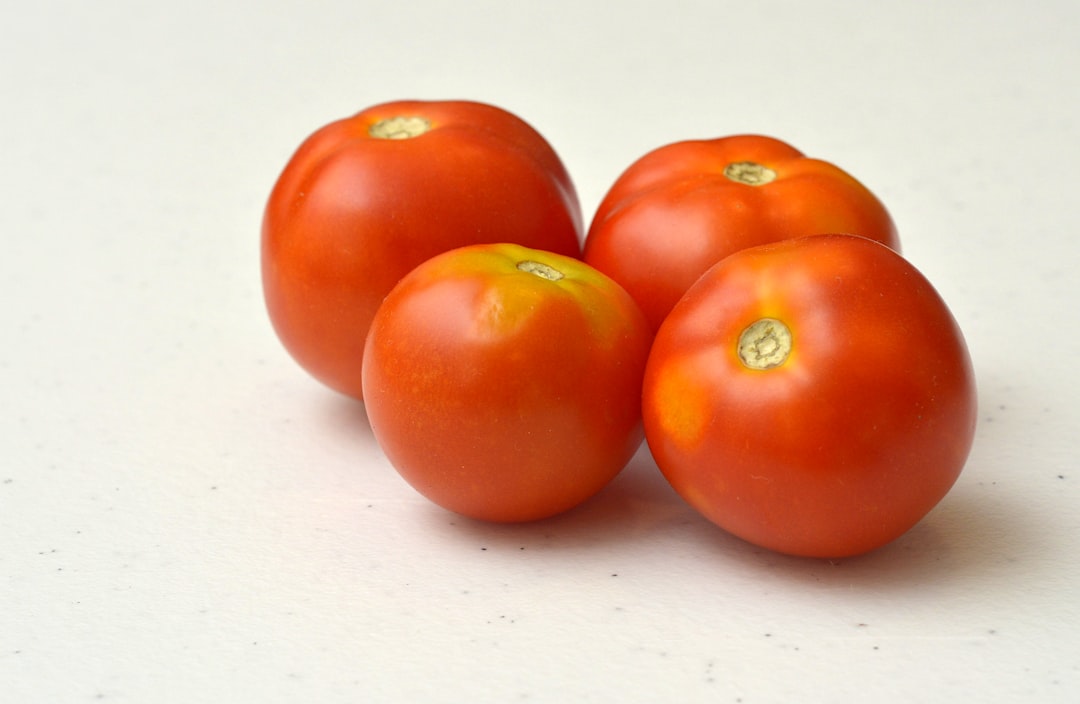
The way you harvest your tomatoes can significantly impact their longevity. For gardeners, picking tomatoes at the right stage is key. If your goal is to extend storage, consider harvesting tomatoes when they are just beginning to show signs of color change – often referred to as the “breaker stage,” where a blush of pink or yellow appears at the blossom end. At this point, they have accumulated most of their sugars and are capable of ripening off the vine without sacrificing too much flavor. Always handle tomatoes gently; bruising can accelerate spoilage. Leave a small piece of stem attached if possible, as this can help seal the stem scar and reduce moisture loss and pathogen entry. After harvesting, wash them gently to remove dirt, but avoid excessive scrubbing which can damage the skin. Sort your harvest immediately, separating any damaged or overly ripe tomatoes from the healthier ones, as a single overly ripe or bruised fruit can produce enough ethylene to speed up the ripening of its neighbors.
Common mistakes and advanced tips for prolonged storage
Even with the best intentions, some common practices can inadvertently hasten ripening. One prevalent mistake is storing ripe or unripe tomatoes in the refrigerator. While ripe tomatoes can tolerate refrigeration for a short period to prevent spoilage, it will invariably compromise their texture and flavor. For unripe tomatoes, refrigeration is a definite no-go. Another common error is storing tomatoes next to fruits that produce high levels of ethylene, such as apples, bananas, or avocados. These “ethylene producers” will act as ripening catalysts for your tomatoes. To further extend storage, you can try individually wrapping partially ripe tomatoes in newspaper. This simple technique creates a micro-environment that traps some moisture and separates each fruit, preventing cross-contamination of ethylene gas. Some gardeners also opt for storing very green tomatoes in a single layer in shallow boxes, turning them occasionally. For long-term preservation of excess harvest, consider processing them into sauces, pastes, or freezing them, though these methods alter their fresh state significantly.
Extending the life of your fresh tomatoes doesn’t require complex science, but rather an understanding of their natural ripening process and a few strategic adjustments to storage and handling. By recognizing the role of ethylene gas, maintaining optimal temperature ranges for unripe fruit, and employing careful harvesting techniques, you can significantly prolong the peak freshness and flavor of your harvest. Remember to avoid refrigerating unripe tomatoes and to separate them from high-ethylene producing fruits to prevent accelerated ripening. Implementing these practical tips will not only reduce food waste but also ensure that your tomatoes remain a vibrant, delicious ingredient for salads, sauces, and sandwiches for weeks longer than they might otherwise. Savor the taste of summer’s bounty long after the initial harvest with these simple, effective methods, maximizing every juicy bite.
Image by: Ayesha Firdaus