The journey from a tiny seed to a crisp, edible radish is a marvel of nature, unfolding with surprising speed and relative ease. For gardeners, understanding the distinct stages of radish growth is not merely an academic exercise; it’s key to cultivating a successful crop, ensuring optimal flavor, and maximizing yield. This article will delve into the fascinating lifecycle of radishes, exploring each critical phase, from the initial stirrings of germination deep within the soil to the satisfying moment of harvest. We’ll uncover the specific needs and transformations that occur at every step, providing valuable insights for both novice and experienced growers aiming to master the art of radish cultivation and appreciate this swift-growing root vegetable.
Germination: The awakening of life
The first vital stage in a radish’s life begins with germination, where the dormant seed springs into action under the right conditions. For radishes, these conditions typically include consistent moisture, a soil temperature between 50-75°F (10-24°C), and darkness. Once moisture penetrates the seed coat, it signals the embryo to activate. The first visible sign of life is the emergence of the radicle, a tiny root that anchors the seedling and begins absorbing water and nutrients. Shortly thereafter, the hypocotyl elongates, pushing the two cotyledons, or “seed leaves,” above the soil surface. These cotyledons are embryonic leaves that serve as the plant’s initial energy source, photosynthesizing until the true leaves develop. This entire process can occur remarkably quickly, often within 3-7 days for radishes.
Seedling development: Beyond the cotyledons
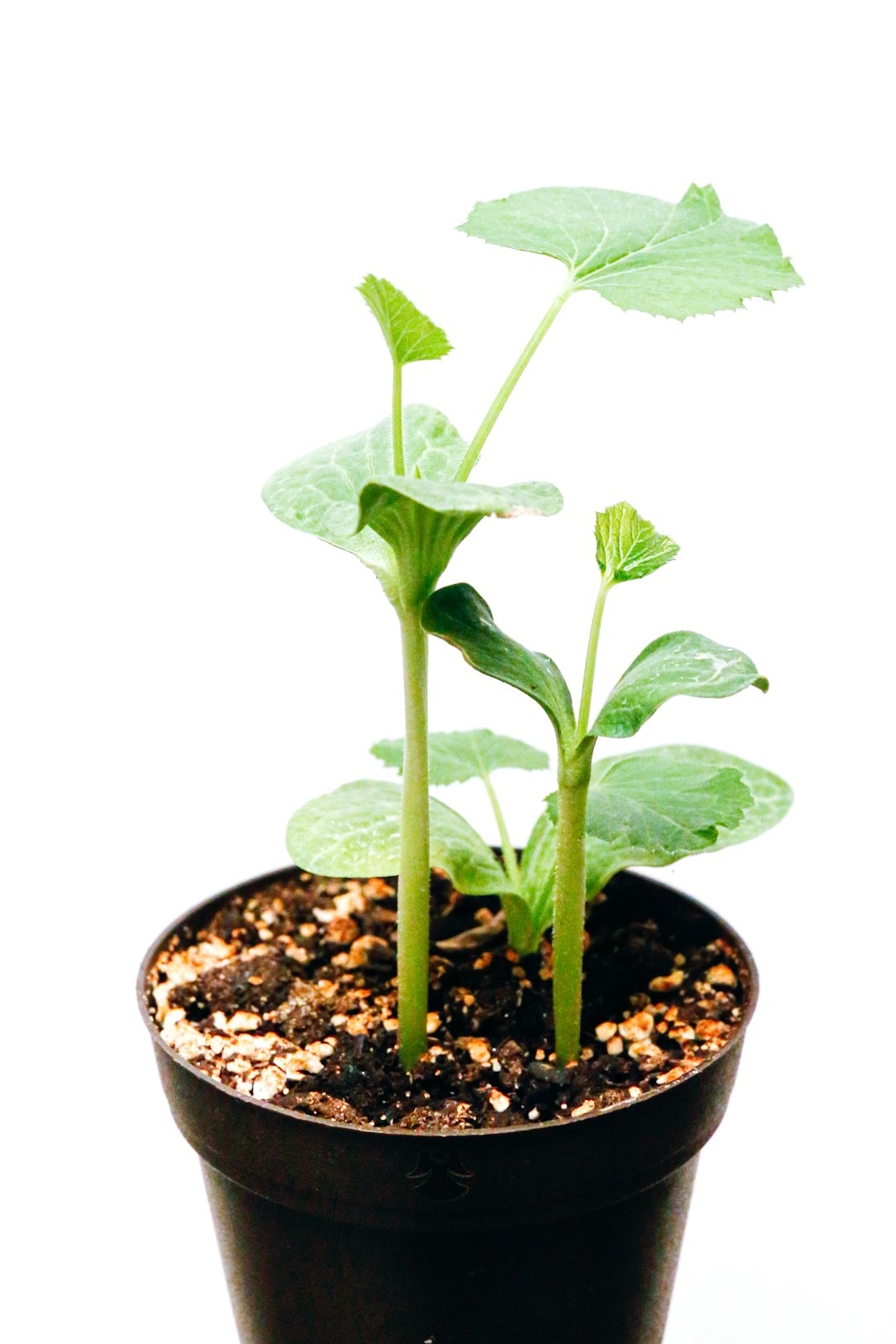
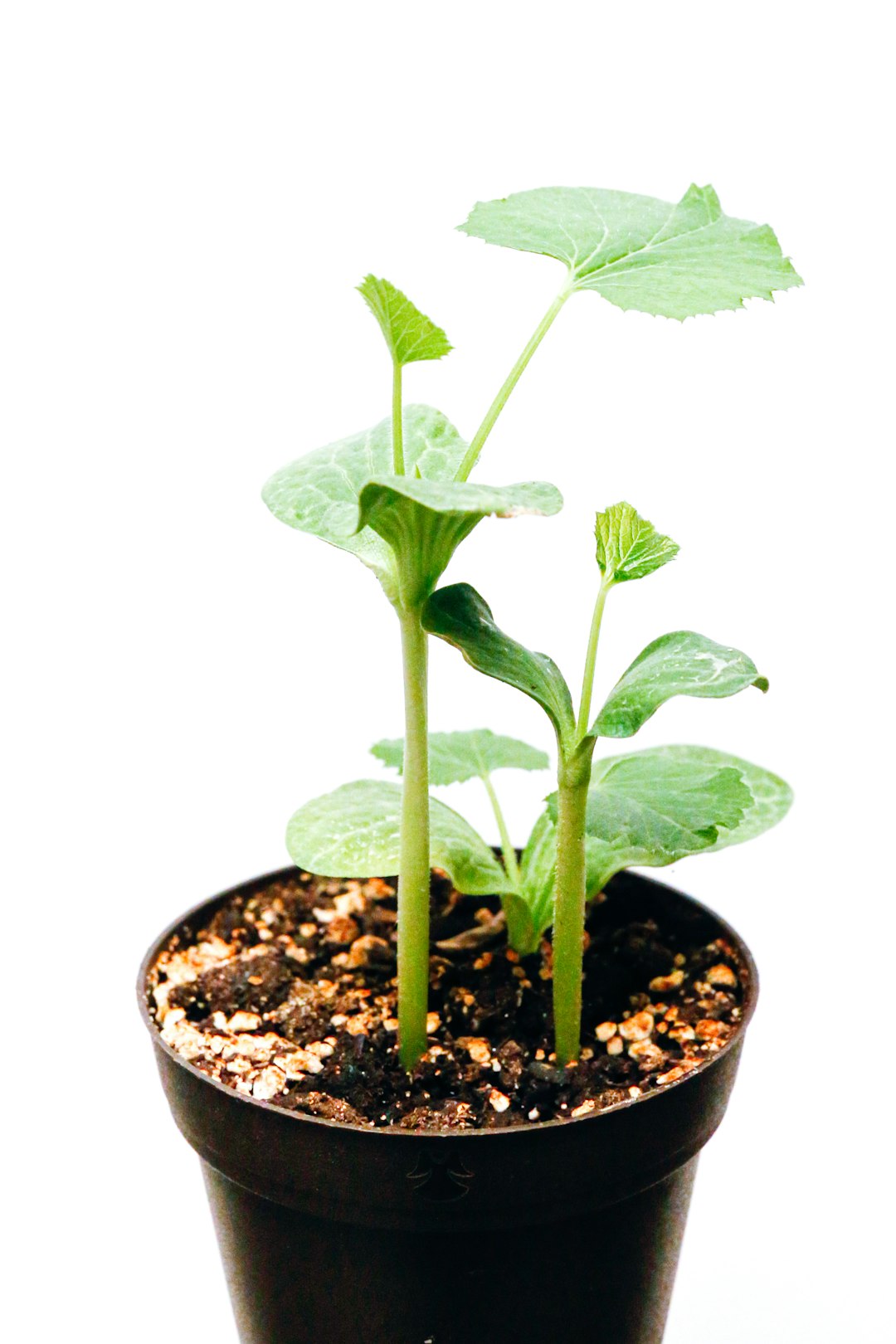
Following the initial burst of germination, the radish enters its crucial seedling stage. During this period, the plant transitions from relying on the stored energy in its cotyledons to developing its own true leaves. These true leaves, which emerge from between the cotyledons, are distinct in shape and texture and are essential for robust photosynthesis, converting sunlight into the energy needed for rapid growth. As true leaves expand, the plant’s root system simultaneously begins to branch out, becoming more efficient at uptaking water and essential nutrients from the soil. This is also the opportune time for thinning seedlings; overcrowded radishes will compete for resources, leading to smaller, misshapen, or stringy roots. Thinning to an appropriate spacing, typically 1-2 inches apart, ensures each plant has ample room and resources to thrive.
Root formation: The edible transformation
This stage is where the magic truly happens for the edible radish. Once the plant has established a few sets of true leaves, its energy shifts significantly from foliage production to the development and enlargement of its taproot. The primary taproot, which initially served for anchorage and water absorption, begins to swell just below the soil surface, forming the familiar, crisp radish we desire. Consistent soil moisture is absolutely critical during this phase; fluctuations can lead to cracking, bitterness, or a woody texture. Conversely, too much water can promote leafy growth at the expense of root development. Adequate sunlight and balanced nutrients also play a vital role in encouraging a healthy, substantial root. Different radish varieties will show signs of swelling at varying rates, but many common types begin this transformation quite rapidly.
Here’s a general timeline for typical radish varieties:
| Growth Stage | Approximate Days from Sowing | Key Characteristics |
|---|---|---|
| Germination | 3-7 days | Radicle emerges, followed by cotyledons breaking soil surface. |
| Seedling development | 7-14 days | True leaves appear, thinning recommended. |
| Root formation | 14-25 days | Taproot begins to swell into edible radish. |
| Maturation & Harvest | 25-35 days | Root reaches desired size and firmness. |
Maturity and harvest: The rapid reward
The final stage of radish growth is its maturation and subsequent harvest, a period that arrives remarkably swiftly compared to most other garden vegetables. Depending on the variety, radishes are typically ready for harvest anywhere from 20 to 35 days after sowing. The key indicators of maturity are the size and firmness of the root; a gentle tug on the leaves should reveal a small, round, or elongated root just peeking above the soil. It’s crucial to harvest radishes promptly once they reach their desired size. Leaving them in the ground for too long can result in them becoming pithy, woody, overly spicy, or even splitting. Timely harvesting not only ensures the best flavor and texture but also clears space for successive plantings, making radishes an excellent choice for continuous cultivation throughout the growing season.
From the initial spark of germination to the satisfying crunch of a freshly harvested root, the stages of radish growth offer a testament to nature’s efficiency and speed. We’ve explored how a tiny seed rapidly transforms, first by sending down a root and pushing up cotyledons, then by developing true leaves to fuel its growth, and finally, by swelling its taproot into the crisp, edible vegetable we cherish. Understanding these distinct phases – germination, seedling development, root formation, and maturation – empowers gardeners to provide the precise care needed at each step, from consistent moisture during root development to timely thinning for optimal size. This rapid lifecycle makes radishes an incredibly rewarding crop, providing quick gratification and a fresh bounty for your table within weeks. Embrace the journey, and enjoy the delightful simplicity of growing your own radishes.