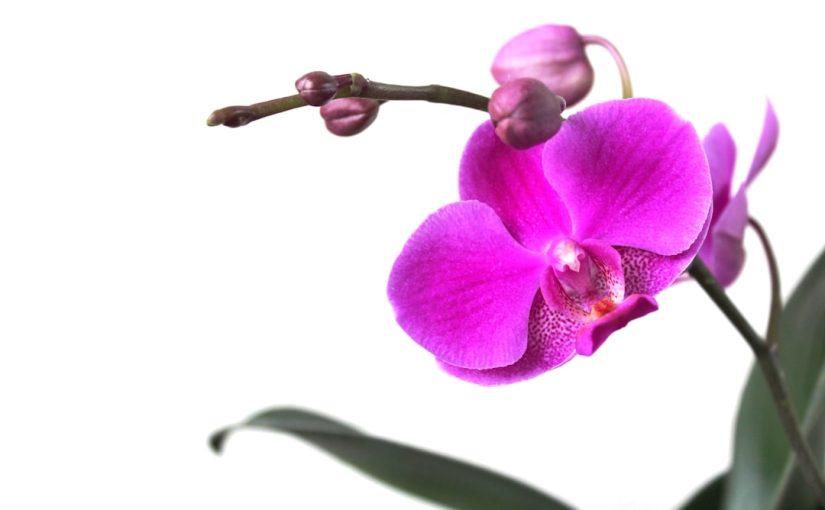
Orchids, with their exotic blooms and elegant foliage, are a source of immense beauty and satisfaction for many plant enthusiasts. However, even the most seasoned orchid grower might occasionally encounter a perplexing issue: their vibrant green leaves turning a sickly yellow and, eventually, falling off. This common concern often signals an underlying problem in the plant’s environment or care routine, and understanding the root cause is crucial for rescuing your cherished orchid. Far from being a random occurrence, yellowing and dropping leaves are vital distress signals from your plant, indicating that something isn’t quite right. In the following sections, we will delve into the primary reasons behind these alarming symptoms, equipping you with the knowledge to diagnose and rectify the issues, ensuring your orchid can thrive once more.
Watering woes: the root of many problems
One of the most frequent culprits behind yellowing and dropping orchid leaves is improper watering. Both overwatering and underwatering can lead to similar visible symptoms above the potting mix, but their impact on the roots—and consequently, the plant’s overall health—is distinctly different. Understanding these differences is paramount for effective intervention.
Overwatering: the silent killer
Paradoxically, giving your orchid too much water can lead to it dying of thirst. When roots are constantly submerged in waterlogged potting media, they are deprived of oxygen. This leads to root rot, a condition where roots become mushy, brown, or black, losing their ability to absorb water and nutrients. The leaves, unable to receive necessary hydration and sustenance, will first turn yellow, often becoming soft and translucent, before eventually dropping off. This is particularly common in orchids potted in dense, moisture-retentive media or pots without adequate drainage holes. The suffocated roots can no longer support the plant, leading to a systemic decline.
Underwatering: slow desiccation
Conversely, inconsistent or insufficient watering can also cause leaves to yellow and drop. If an orchid doesn’t receive enough water, its roots will dry out, shrivel, and become brittle, losing their capacity to transport moisture to the leaves. In this scenario, leaves often turn a dull yellow, feel leathery or wrinkled, and may eventually turn crispy before falling. While less immediately fatal than severe root rot, chronic underwatering severely stresses the plant, making it susceptible to other issues. Identifying the correct watering frequency and method for your specific orchid type and environment is key.
To help distinguish between these two common issues, consider the following table:
| Problem | Symptoms on leaves | Symptoms on roots | Solution |
|---|---|---|---|
| Overwatering | Yellow, mushy, soft; may show dark spots; often drop easily | Brown, black, soft, mushy, hollow; lack firmness; may smell foul | Repot into fresh, well-draining mix; prune all rotted roots; improve drainage and airflow; adjust watering schedule. |
| Underwatering | Yellow, leathery, wrinkled, dry; stiff; may drop slowly | White, shriveled, brittle, dry; no green tips | Increase watering frequency; soak method (submerge pot for 15-30 min); check potting mix for hydrophobicity. |
Illumination’s impact: sun scorch and shadow’s toll
Light is critical for an orchid’s survival, driving photosynthesis, the process by which plants convert light energy into chemical energy. However, getting the right balance is crucial; both too much and too little light can lead to yellowing leaves.
Excessive light: sunburn and stress
Direct, intense sunlight, especially common through unshaded windows, can literally scorch orchid leaves. Symptoms of too much light include a sudden yellowing, often followed by browning or blackening, particularly on the parts of the leaf exposed directly to the sun. The affected areas might feel crispy. This damage can range from localized spots to widespread discoloration, significantly stressing the plant and forcing it to shed damaged leaves to conserve energy.
Insufficient light: fading vitality
On the other hand, orchids grown in perpetually dim conditions may also exhibit yellowing leaves. While some orchids tolerate lower light, prolonged exposure to inadequate light levels means the plant cannot photosynthesize efficiently. Leaves may turn a pale, washed-out yellow or lime green, becoming weaker and softer. The plant lacks the energy to maintain all its foliage, and older leaves, especially, may yellow and drop prematurely as the plant attempts to conserve resources. This often leads to a general decline in vigor and a reluctance to bloom.
Environmental factors: temperature, humidity, and nutrient puzzles
Beyond water and light, several other environmental factors and nutritional aspects play a significant role in an orchid’s leaf health. Fluctuations or imbalances in these areas can quickly manifest as yellowing foliage.
Temperature and humidity stress
Orchids are sensitive to sudden and extreme changes in temperature. A sudden drop to cold temperatures, or sustained exposure to drafts, can shock the plant, causing leaves to yellow and potentially drop. Similarly, excessively hot temperatures, especially combined with low humidity, can stress the plant, leading to dehydration symptoms even if roots are adequately watered. Humidity is also vital; most orchids thrive in moderate to high humidity. Low humidity can cause leaves to lose moisture too quickly, leading to shriveling and yellowing at the tips or edges, mimicking underwatering.
Nutrient imbalances and pH
While orchids are not heavy feeders, a deficiency in essential nutrients, particularly nitrogen, can cause older leaves to yellow as the plant reallocates mobile nutrients to new growth. Conversely, an excess of fertilizer can lead to salt buildup in the potting medium, which burns the roots and inhibits water absorption, resulting in yellow, limp leaves. The pH of the water and potting medium also influences nutrient availability; an incorrect pH can lock up nutrients, making them inaccessible to the plant even if present in the fertilizer.
Pests, diseases, and the natural cycle of life
Sometimes, yellowing and leaf drop are not directly related to care routines but rather to external threats or the plant’s natural life cycle.
Pests and diseases
Common orchid pests like spider mites, scale insects, and mealybugs can cause significant damage. These pests feed on plant sap, draining the leaves of vital fluids and nutrients. Infested leaves often show stippling, discoloration, stickiness (honeydew), or visible pests, eventually turning yellow and dropping. Fungal or bacterial infections can also manifest as yellow spots or patches that quickly spread, often accompanied by mushiness or a foul odor, leading to rapid leaf deterioration and drop. Prompt identification and treatment are crucial to prevent the spread of these issues.
Natural aging: a normal process
It’s important to differentiate stress-induced yellowing from the natural aging process of an orchid. Like all living organisms, orchid leaves have a finite lifespan. As an older leaf reaches the end of its cycle, it will naturally yellow, usually starting from the tip or base, before eventually falling off. This process is gradual and typically affects only the oldest, lowest leaves, while the rest of the plant remains healthy and produces new growth. This natural senescence is nothing to worry about and is a sign of a healthy, growing plant.
Observing your orchid’s leaves turning yellow and falling off can be disheartening, but it is often a clear indicator that your plant needs a careful reassessment of its environment and care. As we’ve explored, the reasons range from the most common issues like overwatering and underwatering, to imbalances in light, temperature, and humidity, and even the presence of pests or nutrient deficiencies. Distinguishing between these causes is the first critical step towards recovery. By meticulously checking the roots, evaluating light exposure, ensuring stable environmental conditions, and being vigilant for pests, you can effectively diagnose the problem. Often, a simple adjustment in watering frequency, a change in location, or a targeted treatment can bring your orchid back to its vibrant best. Remember, understanding these signals allows you to become a more attentive and successful orchid caretaker, fostering a thriving collection.
Image by: Kelsey Weinkauf