Embarking on the journey of growing raspberries offers a deeply rewarding experience, transforming a simple garden space into a vibrant source of delicious fruit. Understanding the distinct growth stages of a raspberry plant is not merely a botanical exercise; it is the cornerstone of successful cultivation. From the initial subterranean stirrings of dormancy to the luscious, ripe berries gracing your table, each phase presents unique demands and visual delights. This article will meticulously explore the fascinating lifecycle of Rubus idaeus, detailing the crucial development points that dictate its health, productivity, and ultimate yield. By comprehending these intricate cycles, growers can optimize care, anticipate challenges, and truly appreciate the remarkable resilience and generosity of these beloved plants.
The dormant phase and initial awakening
The life cycle of a raspberry plant typically begins its most visible journey in late winter or early spring, emerging from a crucial period of dormancy. During the colder months, the plant conserves energy within its crown and root system, appearing largely inactive above ground. This dormant phase is vital for the plant’s health, as it allows for the accumulation of chilling hours necessary for robust growth once temperatures rise. As spring approaches and soil temperatures consistently exceed 45°F (7°C), the plant begins its remarkable awakening. From the underground crown, new shoots, known as primocanes, start to emerge. These primocanes are first-year canes that will grow vegetatively throughout the season. Simultaneously, if the plant is a floricane-fruiting type, the previous year’s canes (floricanes) will begin to show signs of life, developing buds that will eventually bear fruit. The root system, extensive and perennial, actively absorbs water and nutrients, fueling this initial burst of growth and anchoring the plant firmly in the soil.
Vegetative growth: primocane development and leaf expansion
Once the initial awakening takes place, raspberry plants enter a period of rapid vegetative growth, primarily characterized by the vigorous development of primocanes. These first-year canes can grow several feet tall in a single season, depending on the variety and environmental conditions. As the primocanes elongate, they produce numerous leaves, which are the plant’s solar panels. Through photosynthesis, these leaves convert sunlight into sugars, providing the energy needed for continued growth and the storage of reserves within the root system for the following year. Adequate sunlight, consistent moisture, and nutrient-rich soil are paramount during this stage to ensure strong, healthy cane development. For everbearing (fall-bearing) varieties, primocanes will develop flower buds later in the season, leading to a fall harvest. Summer-bearing varieties, however, focus solely on vegetative growth in their first year, with these primocanes becoming the fruit-bearing floricanes of the next season. Lateral branches may also develop from the main cane, further increasing the photosynthetic capacity and potential fruit-bearing surface.
Flowering and pollination: the crucial reproductive stage
The transition from vegetative growth to reproductive development is a highlight in the raspberry plant’s cycle. For summer-bearing raspberries, this stage typically occurs on second-year canes (floricanes) in late spring to early summer. For everbearing varieties, flowering can begin on the current season’s primocanes in mid-to-late summer. Small, delicate white or pale pink flowers emerge in clusters, often appearing inconspicuous compared to the vibrant foliage. Each raspberry flower is perfect, meaning it contains both male (stamens) and female (pistils) reproductive organs, capable of self-pollination. However, cross-pollination significantly improves fruit set and berry size. Bees and other beneficial insects are invaluable during this period, diligently transferring pollen from flower to flower. Environmental factors like temperature and humidity play a critical role; cool, wet conditions can hinder pollinator activity and pollen viability, potentially reducing the eventual fruit yield. Proper air circulation around the canes is also beneficial, preventing fungal issues that can affect flower health.
Fruit development and ripening: from green to glorious red
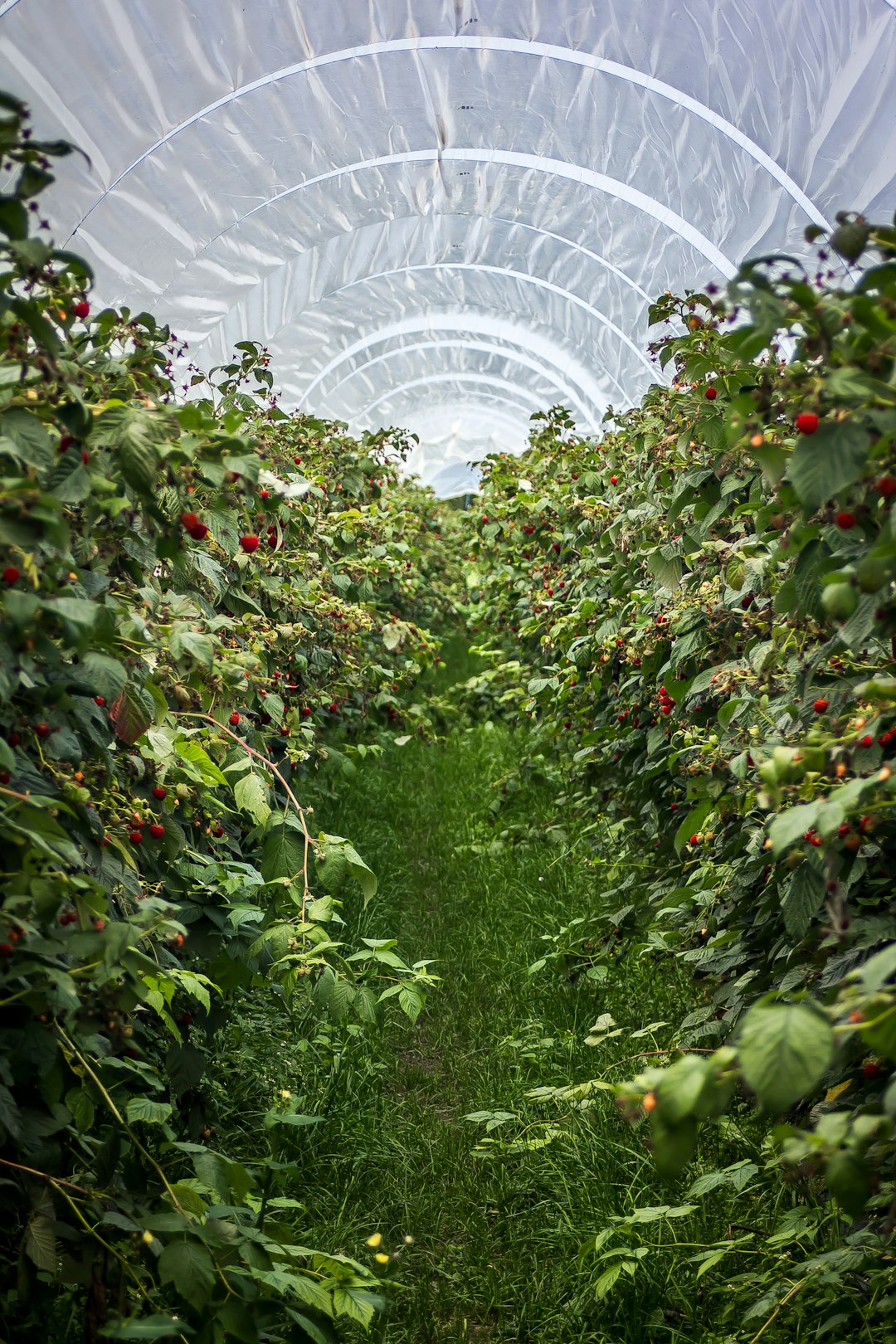
Following successful pollination, the fertilized flowers begin their transformation into the delicious fruits we anticipate. Each raspberry is an aggregate fruit, composed of many small individual drupelets. Initially, these drupelets are tiny and green, gradually swelling and changing color as they mature. The ripening process involves a complex biochemical symphony: starches convert to sugars, acids decrease, and characteristic pigments develop, turning the berries from green to red, black, purple, or yellow, depending on the variety. This stage demands consistent moisture, as water is essential for fruit expansion and juiciness. Adequate sunlight ensures optimal sugar production and flavor development. Ripening typically occurs over several weeks, with berries not all maturing simultaneously, allowing for multiple harvests. A fully ripe raspberry will detach easily from its receptacle (the white core) with a gentle pull, indicating peak flavor and sweetness. Harvesting at this precise moment is key to enjoying the best quality fruit.
| Growth Stage | Key Characteristics | Approximate Timing (Northern Hemisphere) |
|---|---|---|
| Dormancy & Awakening | Bare canes, root system active, primocane emergence | Late Fall – Early Spring |
| Vegetative Growth | Rapid primocane elongation, leaf expansion, energy storage | Spring – Early Summer |
| Flowering | Flower bud formation, blossoms open, pollination by insects | Late Spring – Mid Summer |
| Fruit Development & Ripening | Drupelets swell, color change, sugar increase, flavor development | Summer – Early Fall |
Conclusion
The journey of a raspberry plant through its distinct growth stages is a testament to nature’s intricate design, a cycle of dormancy, vibrant growth, delicate flowering, and bountiful fruiting. From the quiet, energy-conserving winter dormancy to the emergence of vigorous primocanes, the development of photosynthetic leaves, the crucial role of pollinators during flowering, and finally, the luscious transformation from tiny green drupelets to ripe, flavorful berries, each phase is interconnected and vital. Understanding these stages empowers growers to provide optimal care, from appropriate pruning to ensuring adequate water and nutrients at critical times. Ultimately, mastering the lifecycle of your raspberry plants not only ensures a healthier patch and a more generous harvest but also deepens your connection to the rhythms of nature. The satisfaction of plucking your own perfectly ripe raspberries, a direct result of nurturing them through every developmental milestone, is a truly unparalleled reward for any gardener.
Image by: Yun Cho