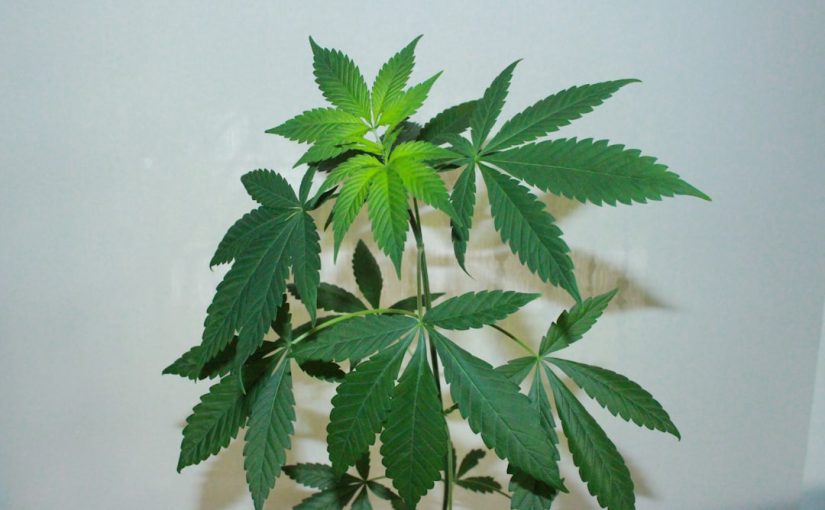
From the glossy sheen of a rubber plant gracing your living room to the resilient fronds of a palm thriving on a sun-drenched coast, many plants share a remarkable characteristic: waxy leaves. This distinctive epidermal coating, often a result of a specialized layer known as the cuticle, serves as much more than just an aesthetic feature. It’s a testament to nature’s ingenious solutions for survival, particularly in challenging environments. This article delves into the fascinating world of plants adorned with waxy foliage, exploring the scientific reasons behind this adaptation, the diverse species that exhibit it, and the practical implications for their care. Understanding this natural marvel can transform how you view and nurture your green companions.
The remarkable adaptations of waxy leaves
The characteristic sheen and smooth texture of waxy leaves are not merely decorative; they are the result of a highly sophisticated evolutionary adaptation designed to ensure plant survival. At the heart of this adaptation is the cuticle, a protective layer composed primarily of cutin, a complex polyester of fatty acids, embedded with various waxes. These epicuticular waxes are what give the leaves their distinctive glossy or powdery appearance. Chemically, these waxes are hydrophobic lipids, meaning they repel water with remarkable efficiency. This water-repellent property is crucial for several reasons.
Firstly, the waxy coating significantly reduces transpiration – the process of water vapor loss from the leaves. In arid climates, this is a lifesaver, allowing plants to conserve precious moisture. Secondly, the reflective nature of the wax can help to deflect excessive solar radiation, particularly harmful ultraviolet (UV) light, preventing cellular damage. Thirdly, the smooth, water-repellent surface makes it difficult for pathogens like fungi and bacteria to adhere and infect the leaf tissue. Furthermore, it aids in a self-cleaning mechanism, as rainwater beads up and rolls off, carrying dust, pollen, and even small insect pests with it. This multi-functional layer is a prime example of biological engineering at its finest.
Diverse habitats and their waxy inhabitants
The presence of waxy leaves is a strong indicator of a plant’s environmental pressures and its evolutionary success in overcoming them. Different habitats have driven the development of waxy cuticles for varying reasons. In arid and semi-arid regions, plants like succulents (e.g., Agave, Echeveria, Aloe) and cacti possess thick, waxy coatings to drastically minimize water loss under scorching sun and infrequent rainfall. Their succulent leaves also store water, making the waxy barrier indispensable for retention.
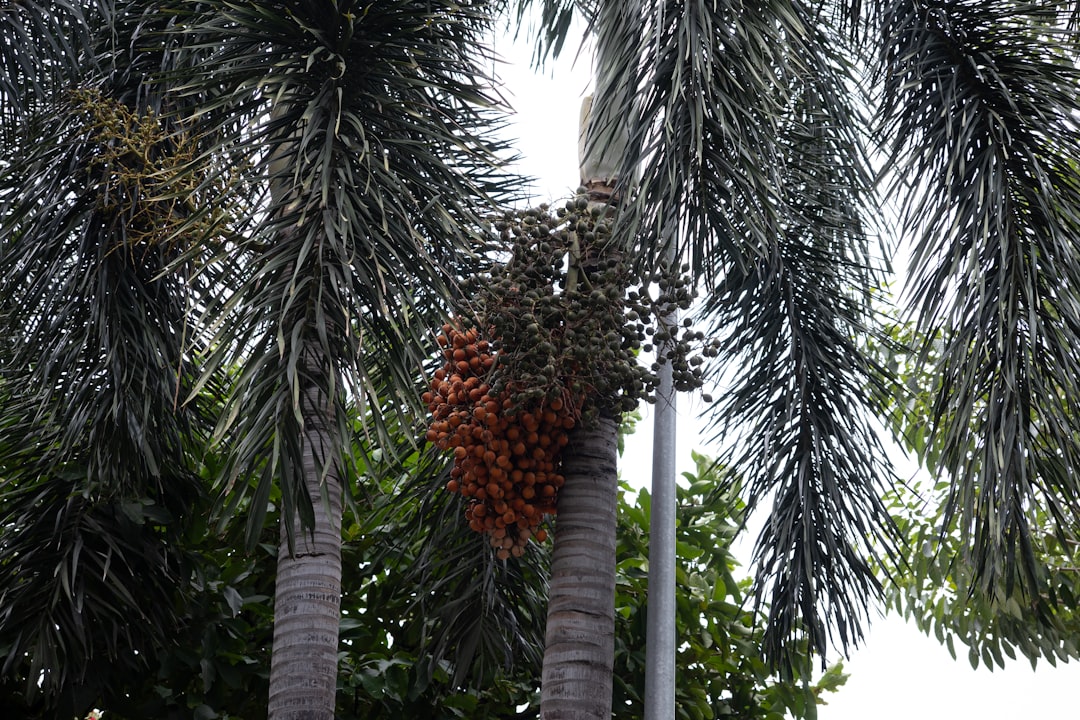
In contrast, plants found in tropical rainforests, despite abundant rainfall, also frequently exhibit waxy leaves. Here, the primary role shifts from water conservation to water shedding. The glossy, waxy surface allows rainwater to quickly run off, preventing the growth of algae and fungi in a consistently wet and humid environment. It also helps to prevent waterlogging of stomata and ensures light penetration isn’t hindered by water films. Examples include many aroids like Monstera and Philodendron, as well as the Bird of Paradise (Strelitzia reginae). Coastal plants, such as many types of palms and hollies, develop waxy leaves to protect against salt spray and strong winds, acting as a physical barrier against environmental stressors.
Common plants with this unique feature
Waxy leaves are a widespread characteristic found across a myriad of plant species, from popular houseplants to robust outdoor specimens. Understanding which plants exhibit this trait often provides immediate clues about their care requirements. Here are a few notable examples:
-
Ficus elastica (Rubber Plant): Its large, glossy leaves are a classic example. The thick cuticle helps it retain moisture, making it relatively drought-tolerant compared to other tropical plants.
-
Sansevieria trifasciata (Snake Plant/Mother-in-Law’s Tongue): Renowned for its extreme resilience, its stiff, upright, waxy leaves are adept at water storage and significantly reduce transpiration, enabling it to survive long periods without water.
-
Zamioculcas zamiifolia (ZZ Plant): Another low-maintenance favorite, the ZZ plant’s incredibly glossy, waxy leaflets store water in their thick petioles (leaf stems) and rhizomes, making it highly drought-resistant.
-
Hoya (Wax Plant): Aptly named, Hoya species have thick, succulent, and very waxy leaves, adapted to epiphytic growth where water availability can be sporadic.
-
Rhododendron: Many evergreen rhododendrons possess leathery, waxy leaves that help them endure cold, dry winters by minimizing water loss when the ground is frozen.
-
Magnolia grandiflora (Southern Magnolia): The underside of its large, dark green leaves is often covered in a brownish felt, but the top surface is distinctly waxy, protecting it from sun, wind, and pests.
These examples illustrate the diverse evolutionary paths that have led to the development of waxy leaves, each tailored to the specific survival needs of the plant in its native environment.
Practical benefits for gardeners and homeowners
Understanding the function of waxy leaves can significantly inform how you care for these plants, translating into healthier, more vibrant specimens. For indoor plants, the waxy coating means they are generally more tolerant of lower humidity and less frequent watering compared to their thin-leaved counterparts. Their ability to retain moisture means overwatering is a significant risk, leading to root rot. Therefore, it’s crucial to allow the soil to dry out considerably between waterings.
The smooth, glossy surface of waxy leaves, while beautiful, can accumulate dust, which can hinder photosynthesis. Gently wiping the leaves with a damp cloth not only maintains their aesthetic appeal but also ensures they can efficiently capture sunlight. For outdoor plants, the waxy layer’s protective qualities mean they often exhibit greater resistance to pests, diseases, and environmental stresses like strong winds or frost. However, good drainage remains vital, as even the most drought-tolerant plants dislike sitting in waterlogged soil. By appreciating this natural armor, gardeners can provide more targeted and effective care.
| Plant Type Example | Primary Waxy Leaf Benefit | Key Care Implication |
|---|---|---|
| Succulents (e.g., Agave, Echeveria) | Excellent water retention | Infrequent, deep watering; allow soil to dry completely. |
| Tropical Houseplants (e.g., Ficus, ZZ Plant) | Moisture conservation, dust/pathogen shedding | Water when top soil is dry; wipe leaves gently for dust. |
| Evergreen Shrubs (e.g., Rhododendron, Holly) | Winter desiccation protection, pest resistance | Ensure well-draining soil; avoid extreme winter sun/wind. |
| Carnivorous Plants (e.g., Pitcher Plants) | Slippery surface for prey capture | Maintain high humidity; use specific water types (e.g., distilled). |
The remarkable adaptation of waxy leaves stands as a testament to the incredible ingenuity of the plant kingdom. From the dense, water-retaining cuticles of desert succulents to the self-cleaning, water-shedding surfaces of tropical foliage, this feature is a vital evolutionary tool. It empowers plants to thrive in a vast array of challenging environments, protecting them from desiccation, excessive sunlight, pathogens, and even physical damage. Understanding the science behind these glossy, resilient leaves allows us to better appreciate their role in ecological systems and, crucially, to become more informed and successful plant caregivers. By recognizing this natural armor, we can provide the specific conditions that enable these waxy-leaved wonders to flourish, whether they are adorning our homes or enhancing our outdoor landscapes.
Image by: Angela Orenda