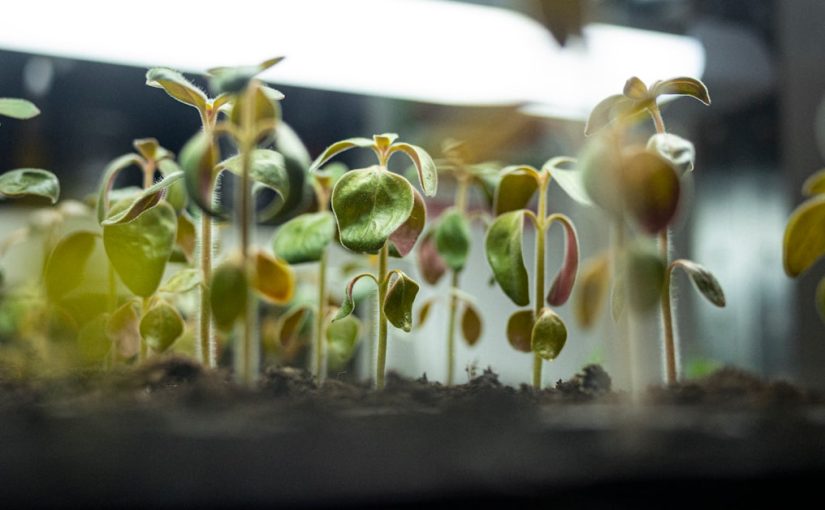
While often hailed as a revolutionary approach to agriculture, promising efficient food production in diverse environments, hydroponics is not without its significant drawbacks. This soilless cultivation method, which delivers nutrient-rich water directly to plant roots, has garnered widespread attention for its potential to conserve water and maximize yields. However, beneath the surface of these celebrated advantages lie several crucial negative effects that are frequently overlooked. From the substantial energy demands and complex technical requirements to potential vulnerabilities in crop health and debated nutritional outcomes, a comprehensive understanding necessitates exploring these less-discussed downsides. This article will delve into the often-ignored challenges and limitations associated with hydroponic systems, offering a more balanced perspective on its long-term viability and sustainability.
The hidden environmental footprint and resource dependency
Despite its reputation for water efficiency, hydroponics carries a notable environmental footprint, primarily due to its intensive energy demands. The reliance on artificial lighting, often high-intensity LEDs or HPS lamps, to compensate for the absence of natural sunlight in controlled environments can lead to substantial electricity consumption. Beyond lighting, energy is also required to power pumps for nutrient solution circulation, fans for air circulation, and heating or cooling systems to maintain optimal temperatures and humidity levels. This constant energy draw, especially when sourced from fossil fuels, can negate some of the perceived ecological benefits. Furthermore, while water use per plant can be lower, the systems themselves often require specific water quality, sometimes necessitating reverse osmosis filtration, which wastes significant amounts of water during the purification process. The production and disposal of synthetic mineral nutrient solutions, often derived from non-renewable sources, and the plastic components common in hydroponic setups (reservoirs, piping, growing media) also contribute to resource dependency and waste generation, posing long-term sustainability questions.
Economic barriers and technical complexities
Implementing and maintaining a hydroponic system, especially on a commercial scale, presents substantial economic and technical hurdles. The initial capital investment for setting up a sophisticated hydroponic operation can be prohibitively high, encompassing costs for specialized equipment such as pumps, inert growing media, pH and EC meters, climate control systems, and advanced lighting. These upfront expenses far exceed those of traditional soil-based farming. Beyond the initial outlay, operational costs remain significant. These include ongoing electricity consumption, the regular purchase of precise nutrient solutions, and the need for water testing kits and treatment chemicals. Moreover, successful hydroponics demands a steep learning curve and specialized knowledge. Growers must possess a deep understanding of plant physiology, nutrient management, water chemistry, and pest and disease identification specific to soilless environments. Mistakes in any of these areas can quickly lead to crop failure, making it a high-risk venture for those without adequate expertise. This complexity often excludes small-scale farmers or hobbyists who lack the financial resources or technical proficiency, centralizing food production in larger, more capital-intensive operations.
To illustrate the economic aspect:
| System Type | Estimated Initial Cost (USD) | Complexity | Operational Knowledge Required |
|---|---|---|---|
| Deep Water Culture (DWC) | $50 – $200 (small scale) | Low | Basic |
| Nutrient Film Technique (NFT) | $200 – $1,000 (mid-scale) | Medium | Intermediate |
| Aeroponics | $500 – $2,500+ (advanced) | High | Advanced |
| Commercial Greenhouse Setup | $10,000 – $1,000,000+ | Very High | Expert |
Vulnerabilities and risks to crop health
While controlled environments offer protection from many external threats, hydroponic systems introduce a unique set of vulnerabilities that can lead to rapid and widespread crop failure. One of the most significant risks is the quick dissemination of waterborne diseases. Since all plants often share a common nutrient reservoir, a single pathogen introduced into the system can rapidly infect an entire crop, potentially wiping out months of work in a matter of days. Unlike soil, which harbors a diverse microbial community that can suppress pathogens, hydroponic solutions offer a relatively sterile environment where diseases, once established, face fewer natural adversaries. Furthermore, precise nutrient management is critical; even slight imbalances in pH or nutrient concentration can quickly lead to deficiencies or toxicities, stressing plants and making them more susceptible to disease. Power outages represent another catastrophic risk. Without electricity, pumps cease to circulate the nutrient solution, leading to rapid root desiccation and oxygen deprivation, which can kill plants within hours, especially in aeroponic or NFT systems where roots are exposed to air. This dependence on continuous power and precise environmental control makes hydroponic crops inherently fragile.
Nutritional quality and taste perceptions
The debate surrounding the nutritional quality and taste of hydroponically grown produce versus soil-grown produce is a contentious one. While hydroponic crops can certainly be grown to be nutritionally dense, some argue that they may lack the full spectrum of micronutrients and phytonutrients found in soil-grown plants. Soil acts as a complex ecosystem, rich in microbial life that interacts with plant roots to facilitate nutrient uptake and produce secondary metabolites crucial for flavor and aroma. This “terroir” effect, where soil composition and microbial activity influence the unique characteristics of produce, is largely absent in hydroponic systems. The flavor profiles of hydroponic fruits and vegetables can sometimes be perceived as less complex or robust compared to their soil-grown counterparts. While optimizing nutrient solutions can improve flavor, replicating the intricate biochemical interactions that occur in living soil remains a challenge. For consumers prioritizing sensory experience and a full range of potential health benefits derived from diverse micronutrient profiles, the nuances of soil-grown produce may still hold an advantage.
In conclusion, while hydroponics undeniably offers innovative solutions for food production, a comprehensive evaluation demands acknowledging its inherent negative effects. The substantial energy demands, often reliant on non-renewable sources, contribute to a notable environmental footprint, challenging its sustainability narrative. Economically, the high initial investment and complex operational requirements create significant barriers to entry, often limiting its accessibility to large-scale operations rather than democratizing farming. Furthermore, the inherent vulnerabilities to rapid disease spread and catastrophic power failures underscore the fragility of these controlled systems, posing considerable risks to crop security. Finally, while nutrient solutions can be optimized, the potential for differences in micronutrient profiles and the debated impact on taste compared to soil-grown produce suggest that hydroponics may not always deliver the same nuanced quality. Therefore, while pursuing advancements in soilless agriculture, it is crucial to continually research and mitigate these significant drawbacks, ensuring that enthusiasm for innovation does not overshadow the need for truly sustainable and robust food systems.
Image by: Nik Shuliahin 💛💙