Are you fascinated by the idea of cultivating your own delicious watermelon, but lack a traditional garden space or simply want to explore innovative growing methods? Hydroponics offers an exciting and efficient alternative to soil-based gardening, allowing you to grow these refreshing fruits with precise control over their environment. This comprehensive guide will delve into the world of hydroponic watermelon cultivation, transforming your aspirations into a tangible harvest. From selecting the right system and essential equipment to mastering nutrient delivery and pollination techniques, we’ll cover every crucial step. Get ready to unlock the secrets to growing juicy, sweet watermelons year-round, right in your own controlled setting, making the dream of a homegrown summer treat a reality, no matter the season or available land.
Understanding hydroponic watermelon basics
Venturing into hydroponic watermelon cultivation begins with a fundamental understanding of why this method is particularly well-suited for such a demanding fruit. Watermelons, botanically large berries, are heavy feeders and require consistent access to water and nutrients, which hydroponics excels at providing. Unlike traditional soil gardening where nutrient availability can fluctuate and pests are a constant battle, a hydroponic system offers a sterile, nutrient-rich, and highly controllable environment. This precision leads to faster growth rates, more efficient water and nutrient usage, and often higher yields.
When selecting watermelon varieties for hydroponics, compact or bush types are highly recommended due to their more manageable growth habit in enclosed spaces. Full-sized, sprawling varieties can quickly outgrow a typical hydroponic setup, making vine management a significant challenge. Some popular choices include:
- Sugar Baby: A classic small, round watermelon, known for its sweet, red flesh. Its compact vines are ideal.
- Bush Sugar Baby: An even more compact version of ‘Sugar Baby’, specifically bred for smaller spaces.
- Moon and Stars Bush: Offers unique speckled rinds and a bush habit.
For the hydroponic system itself, deep water culture (DWC) or a drip irrigation system are generally the most practical. DWC involves suspending the plant roots directly into an oxygenated nutrient solution, providing continuous access to water and food. Drip systems deliver nutrient solution directly to the plant’s root zone at timed intervals, which can be more efficient for larger plants like watermelon that require significant support for their heavy fruits.
Essential equipment and setup for hydroponic watermelons
Setting up your hydroponic watermelon garden requires careful selection and arrangement of several key components to ensure optimal growth. The right equipment forms the backbone of a successful hydroponic venture.
First, consider your hydroponic system choice. For watermelons, a deep water culture (DWC) system is effective, where plants are suspended in net pots above a reservoir of nutrient-rich, oxygenated water. This system is relatively simple to set up and manage. Alternatively, a drip irrigation system is excellent for larger plants, delivering precise amounts of nutrient solution directly to the growing media. This reduces water waste and provides consistent feeding. Regardless of the system, a robust reservoir is crucial, typically ranging from 10 to 20 gallons or more per plant, depending on its size and water consumption.
Next, you’ll need suitable growing media to support the plants. Options like rockwool cubes, coco coir, or perlite offer excellent aeration and moisture retention while providing a stable anchor for the roots. For watermelons, which become quite large, a medium that offers good structural support and drainage is paramount.
Lighting is perhaps the most critical environmental factor in indoor hydroponics. High-quality LED grow lights are recommended, as they offer a full spectrum, energy efficiency, and produce less heat. Watermelons require intense light for at least 12-14 hours per day, with specific spectrums beneficial for vegetative growth (blue-rich) and fruiting (red-rich).
The lifeblood of your hydroponic system is the nutrient solution. Watermelons have distinct nutrient requirements throughout their life cycle. A balanced NPK (nitrogen, phosphorus, potassium) formula is needed, typically higher in nitrogen during vegetative growth and higher in phosphorus and potassium during flowering and fruiting. Micronutrients like calcium, magnesium, and trace elements are also vital. You’ll need a reliable pH meter and EC/TDS meter to monitor nutrient levels and acidity, ensuring they remain within the optimal range of 5.8-6.5 pH for nutrient absorption.
Other essential equipment includes a submersible water pump (for drip systems and circulating DWC water), an air pump and air stone (for DWC to oxygenate the water), and a sturdy trellising system or support net. Watermelon vines can grow quite long, and the fruits become heavy, so robust support is non-negotiable to prevent damage to the plant and fruits.
The cultivation process: from seed to harvest
Cultivating hydroponic watermelons is a journey that requires consistent care and monitoring from germination to the final harvest. Starting with healthy seedlings is key. Begin by germinating watermelon seeds in rockwool cubes or coco coir plugs. Once they sprout and develop a few true leaves, they can be carefully transplanted into your chosen hydroponic system, ensuring their roots make contact with the nutrient solution or are within reach of the drip emitters.
Managing the nutrient solution is critical throughout the plant’s life cycle. During the initial vegetative growth phase, a nutrient solution rich in nitrogen will promote strong leafy development. As the plant transitions to flowering and fruit set, you’ll need to switch to a formula higher in phosphorus and potassium to support flower development and fruit growth. Maintaining the ideal pH range of 5.8-6.5 is paramount for nutrient uptake. Regularly monitor the EC/PPM levels to ensure the plants are receiving adequate nutrients without being overfed, adjusting the concentration as needed. Replace the entire nutrient solution every 1-2 weeks to prevent nutrient imbalances and pathogen buildup.
Environmental control is equally important. Maintain ambient temperatures between 75-85°F (24-29°C) during the day and slightly cooler at night. Humidity levels should be around 50-70% during vegetative growth and slightly lower, around 40-50%, during flowering and fruiting to prevent fungal issues. Good air circulation is vital, achieved through oscillating fans.
One of the most crucial steps in indoor hydroponic watermelon cultivation is pollination. Since there are no bees or other natural pollinators indoors, you must manually pollinate. Identify male and female flowers; female flowers have a small, swollen base (the nascent fruit) behind the petals, while male flowers do not. Use a small, soft brush or cotton swab to collect pollen from the male flower’s stamen and gently transfer it to the stigma of the female flower. This should be done daily during flowering, preferably in the morning.
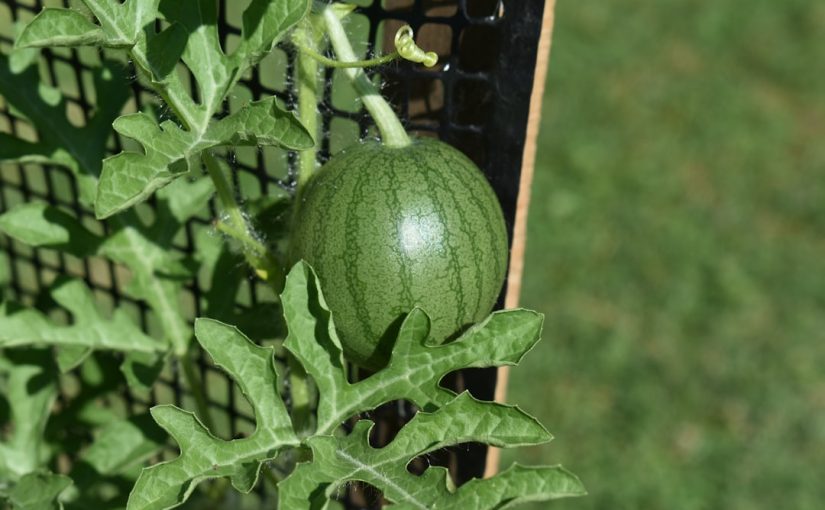
Pruning and training are essential for managing vine growth and maximizing fruit production. Allow 1-2 main vines to develop, pruning off excess side shoots. Once a few fruits have set (aim for 2-4 per plant for optimal size and quality), you can prune off additional flowers to direct the plant’s energy towards ripening the existing fruits. As the fruits grow, they will become heavy, necessitating strong fruit support from the trellising system or specialized fruit nets to prevent them from breaking off the vine.
Here’s a table summarizing ideal hydroponic parameters for watermelons:
| Parameter | Vegetative Stage | Flowering/Fruiting Stage |
|---|---|---|
| pH Level | 5.8 – 6.2 | 6.0 – 6.5 |
| EC/PPM | 1.4 – 1.8 mS/cm (700-900 PPM) | 1.8 – 2.4 mS/cm (900-1200 PPM) |
| Air Temperature | 75-80°F (24-27°C) | 78-85°F (26-29°C) |
| Relative Humidity | 60-70% | 40-50% |
| Light Cycle | 14-16 hours on / 8-10 hours off | 12-14 hours on / 10-12 hours off |
Harvesting your hydroponic watermelons and common challenges
The culmination of your hard work arrives with the harvest of your hydroponic watermelons. Knowing precisely when to pick them is crucial for achieving peak sweetness and flavor. Several indicators signal ripeness. One common method is the “thump test”: a ripe watermelon will emit a hollow, deep thud when tapped with a knuckle, while an unripe one sounds higher-pitched. Another reliable sign is the drying of the tendril (the curly spiral vine nearest to the fruit’s stem). When it’s completely dry and brown, the fruit is likely ready. The ground spot (the part of the melon that was resting on the support) should turn from white or pale green to a creamy yellow. Finally, the skin of a ripe watermelon will lose some of its shiny appearance and become duller. Once these signs align, carefully cut the stem with a sharp knife, leaving a small stub attached to the fruit.
While hydroponics offers many advantages, it also presents its own set of common challenges that growers should be aware of. Nutrient imbalances or pH fluctuations are frequent culprits for stunted growth or discolored leaves. Regular monitoring and timely adjustments of the nutrient solution are essential. Lack of pollination is a significant issue for indoor growers; without successful manual pollination, fruits simply won’t set. Ensure you’re diligently pollinating female flowers daily. Inadequate support for the heavy fruits can lead to vines breaking, so invest in a sturdy trellising system and fruit hammocks. Even in controlled environments, pests and diseases can emerge, though less frequently than in soil. Common hydroponic issues include root rot (often due to insufficient oxygen in DWC or poor water circulation) and specific pests like spider mites or aphids. Good sanitation practices, regular inspection, and prompt treatment are your best defense. Addressing these challenges proactively will ensure a bountiful and delicious harvest from your hydroponic endeavors.
Embarking on the journey of growing watermelons hydroponically opens up a world of gardening innovation, offering a uniquely controlled and efficient method to cultivate these beloved fruits. We’ve navigated through the essentials, from selecting ideal bush varieties and choosing the right hydroponic system, such as DWC or drip irrigation, to meticulously setting up your environment with appropriate lighting, growing media, and nutrient solutions. Key practices like precise nutrient management, crucial manual pollination, and proactive vine and fruit support have been highlighted as cornerstones of success. While challenges like pH fluctuations or pest management exist, understanding and addressing them ensures a rewarding experience. By embracing these techniques, you can enjoy the satisfaction of harvesting sweet, juicy watermelons right from your indoor garden, transforming your green thumb into a year-round producer of summer’s quintessential treat. The effort invested in learning and applying these hydroponic principles will undoubtedly yield a delicious payoff, proving that with the right approach, fresh, homegrown watermelon is always within reach.
Image by: Lewis Meyers