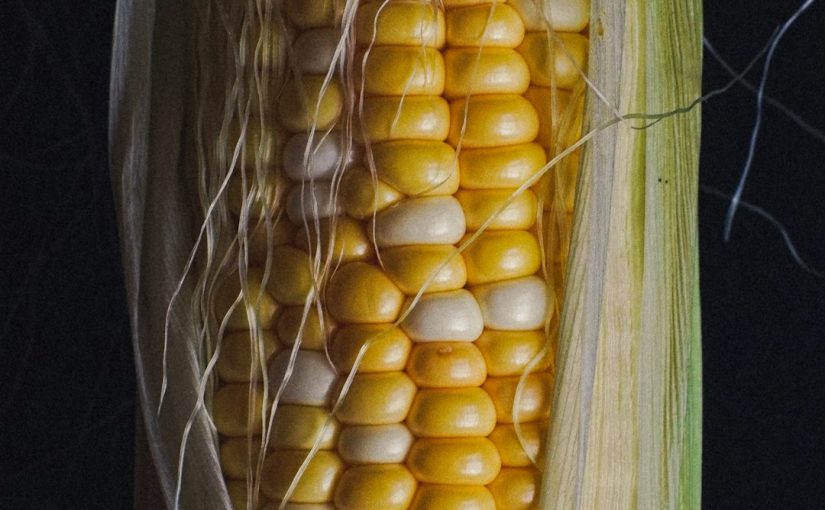
The maize seed, often underestimated in its complexity, is a marvel of biological engineering. Far more than just a simple grain, it is a self-contained ecosystem, meticulously designed to ensure the propagation of the species. Understanding the intricate components of a maize seed is fundamental, not only for botanists and agriculturalists but for anyone curious about the foundational elements of our food supply. From the outermost protective layer to the tiny embryo within, each part plays a crucial and distinct role in the journey from dormant seed to vigorous plant. This exploration will delve into the anatomy of this vital cereal grain, shedding light on the function and significance of each specialized structure that contributes to its remarkable life cycle and widespread agricultural importance.
The pericarp: Nature’s protective layer
At first glance, the maize seed appears to have a simple outer skin, but this layer, known as the pericarp, is actually a fused fruit wall. Unlike many other seeds where the seed coat is distinct from the fruit wall, in maize, these two structures are inseparable, forming a robust protective shell. This anatomical characteristic classifies maize botanically as a caryopsis. The pericarp’s primary function is defense. It acts as a formidable barrier against a multitude of external threats, including physical damage from handling or environmental stressors. More critically, it provides a crucial shield against pathogens like fungi and bacteria, which could otherwise compromise the viability of the internal embryo. Furthermore, the pericarp regulates moisture exchange, helping to prevent desiccation during storage and ensuring that the internal components remain in optimal condition until the right moment for germination arrives. Its integrity is paramount for successful seed preservation and subsequent seedling emergence.
The endosperm: The energy powerhouse
Beneath the protective pericarp lies the endosperm, arguably the most economically significant part of the maize seed, as it constitutes the bulk of the grain. This tissue serves as the primary storage site for nutrients essential for the developing embryo during germination. The endosperm is largely composed of starch, making maize a vital source of carbohydrates for humans and livestock worldwide. Beyond starch, it also contains proteins and a small amount of oil, especially in its outermost layer, known as the aleurone layer. The aleurone layer is rich in proteins, enzymes, and vitamins, playing a crucial role in regulating the breakdown of stored nutrients during germination. When the seed begins to germinate, enzymes produced by the aleurone layer are activated, breaking down the complex starches and proteins into simpler sugars and amino acids that the growing embryo can readily absorb and utilize for its initial burst of growth. This intricate nutrient reserve is what fuels the embryonic plant until it can establish its own photosynthetic capabilities.
The embryo: The blueprint for life
Nestled within the endosperm, usually at the base of the seed, is the embryo, often referred to as the germ. This miniature plant is the living part of the seed, containing all the genetic information and rudimentary structures necessary to develop into a mature maize plant. The embryo itself is composed of several key structures, each with a specific role. The radicle is the embryonic root, poised to emerge first upon germination to anchor the seedling and absorb water and nutrients. Above the radicle is the plumule, the embryonic shoot, which will develop into the stem and leaves. Protecting these delicate structures are two sheaths: the coleoptile, which encases the plumule and protects it as it pushes through the soil, and the coleorhiza, which surrounds the radicle and protects it during its initial growth. The precise arrangement and development of these embryonic components are critical for successful seedling establishment and ultimately, the full growth of the maize plant.
The scutellum: The nutrient bridge
A specialized and often overlooked component of the maize embryo is the scutellum. While it is technically a modified cotyledon, its function extends beyond simple nutrient storage, serving primarily as a vital intermediary for nutrient transfer. Located adjacent to the endosperm, the scutellum acts as a biological bridge, absorbing the digested nutrients from the endosperm and transporting them to the rapidly growing parts of the embryo. During germination, the scutellum produces enzymes that further aid in the breakdown of starch and proteins within the endosperm. Its large surface area is optimized for absorption, efficiently drawing in the mobilized sugars, amino acids, and fatty acids. Without the scutellum’s efficient transfer mechanism, the embryo would be unable to access the vast nutritional reserves stored in the endosperm, making it an indispensable component for the successful establishment and early growth of the maize seedling. This critical role highlights the intricate coordination within the seed during the germination process.
| Part | Primary function | Key features/composition |
|---|---|---|
| Pericarp | Protection against physical damage, pathogens, moisture loss | Fussed fruit wall, outermost layer, tough |
| Endosperm | Major nutrient storage (carbohydrates, proteins, oil) | Largest part of the seed, includes aleurone layer |
| Embryo (germ) | Contains the future plant (radicle, plumule, sheaths) | Living part of the seed, genetic blueprint |
| Scutellum | Absorbs and transfers nutrients from endosperm to embryo | Modified cotyledon, rich in enzymes |
In conclusion, the maize seed is a remarkable testament to biological efficiency and design, an intricate package meticulously engineered for survival and propagation. Each part, from the protective pericarp shielding it from external threats, to the nutrient-rich endosperm providing essential fuel, the nascent embryo holding the blueprint of the future plant, and the specialized scutellum facilitating nutrient transfer, performs a critical and interconnected role. This harmonious interaction ensures that a tiny, dormant kernel can transform into a vigorous plant, sustaining life and contributing significantly to global agriculture. Understanding these fundamental components not only deepens our appreciation for this vital crop but also underscores the delicate balance of nature required for growth and survival. The maize seed truly represents a miniature world of biological wonders, awaiting the opportune moment to unfold its full potential.
Image by: Ekaterina Suleymanova