Shasta daisies, with their iconic white petals and sunny yellow centers, are a beloved staple in countless gardens, celebrated for their cheerful disposition and robust nature. However, their beauty and vitality can be significantly enhanced through the strategic practice of companion planting. Far more than just arranging plants next to each other, companion planting involves selecting species that mutually benefit one another, creating a thriving, resilient, and visually stunning garden ecosystem. This approach can improve soil health, deter pests, attract beneficial insects, and provide continuous blooms and varied textures that perfectly complement the classic daisy. Understanding which plants make the best neighbors for your Shastas is key to unlocking their full potential and crafting a truly harmonious garden space.
Understanding shasta daisies’ fundamental needs
To choose the ideal companion plants for Shasta daisies (Leucanthemum x superbum), it’s crucial to first understand their own requirements. These cheerful perennials thrive in full sun, meaning they need at least six hours of direct sunlight daily to produce abundant blooms and maintain strong stems. They prefer well-drained soil that is moderately fertile, avoiding heavy clay that retains too much moisture, which can lead to root rot. While Shastas are somewhat drought-tolerant once established, they appreciate consistent moisture, especially during dry spells and flowering periods. They are generally robust but can be susceptible to common garden pests like aphids and slugs, and fungal issues if conditions are too damp or air circulation is poor. Companion plants should therefore share similar needs for sun, water, and soil, while also offering either aesthetic appeal or practical benefits like pest deterrence or nutrient cycling.
Aesthetic companions: crafting visual harmony and extended bloom
Beyond practical benefits, companion planting offers an incredible opportunity to elevate the visual appeal of your garden. Shasta daisies provide a classic, crisp white that pairs beautifully with a wide array of colors and textures. For a striking contrast and vertical interest, consider planting them alongside tall, spiky flowers like Delphiniums or Lupines, whose blues, purples, and pinks will pop against the daisies’ white. The delicate, airy texture of Baby’s Breath (Gypsophila paniculata) can soften the daisy’s more structured form, creating a romantic, cottage garden feel. For continuous bloom and vibrant color, incorporate plants such as Coreopsis, with its cheerful yellow and orange hues, or various Salvia varieties, offering a spectrum of blues, purples, and reds that attract pollinators while providing a prolonged display. These aesthetic pairings ensure your garden remains captivating from spring through summer, offering layers of visual interest.
Beneficial companions: enhancing health and deterring pests
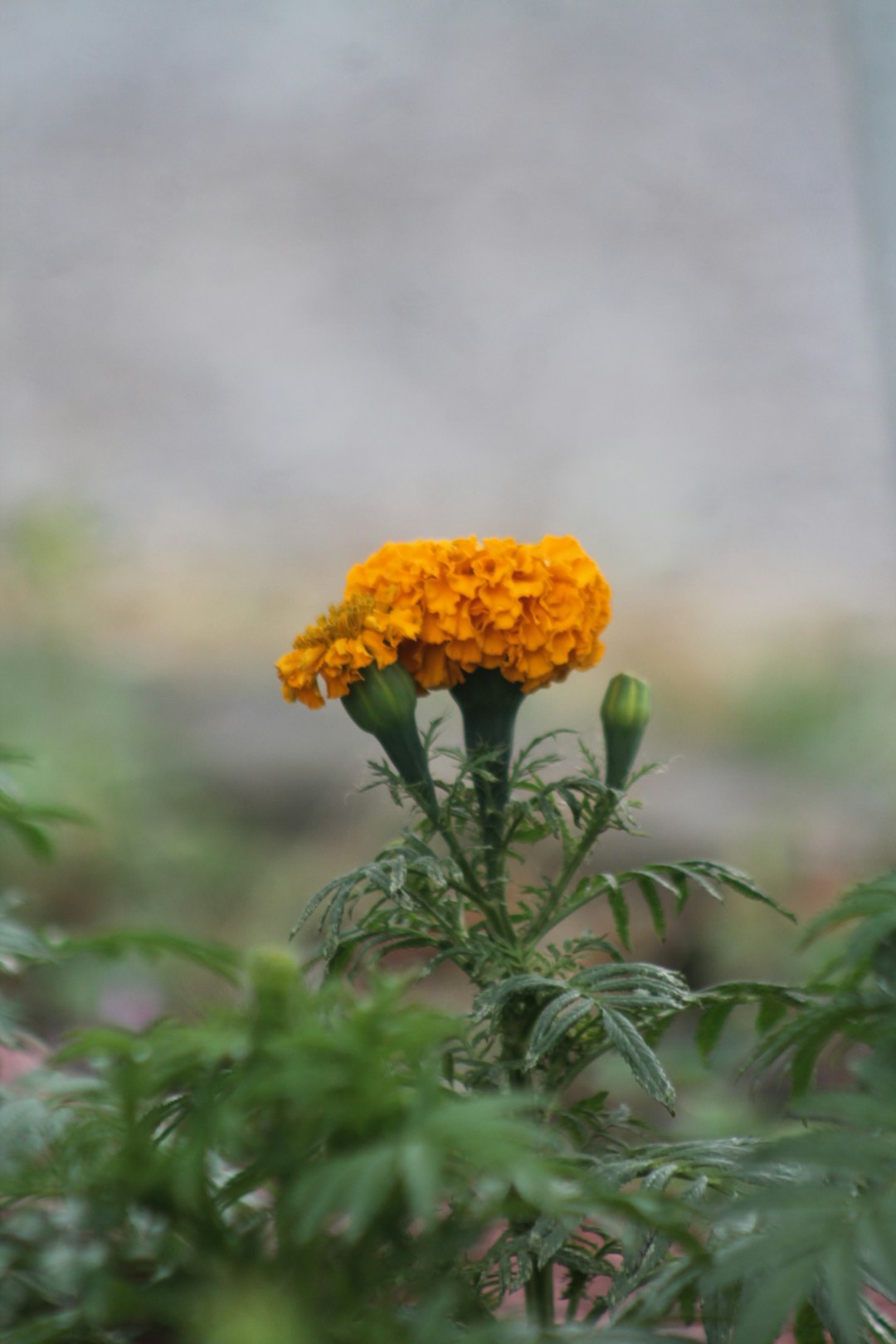
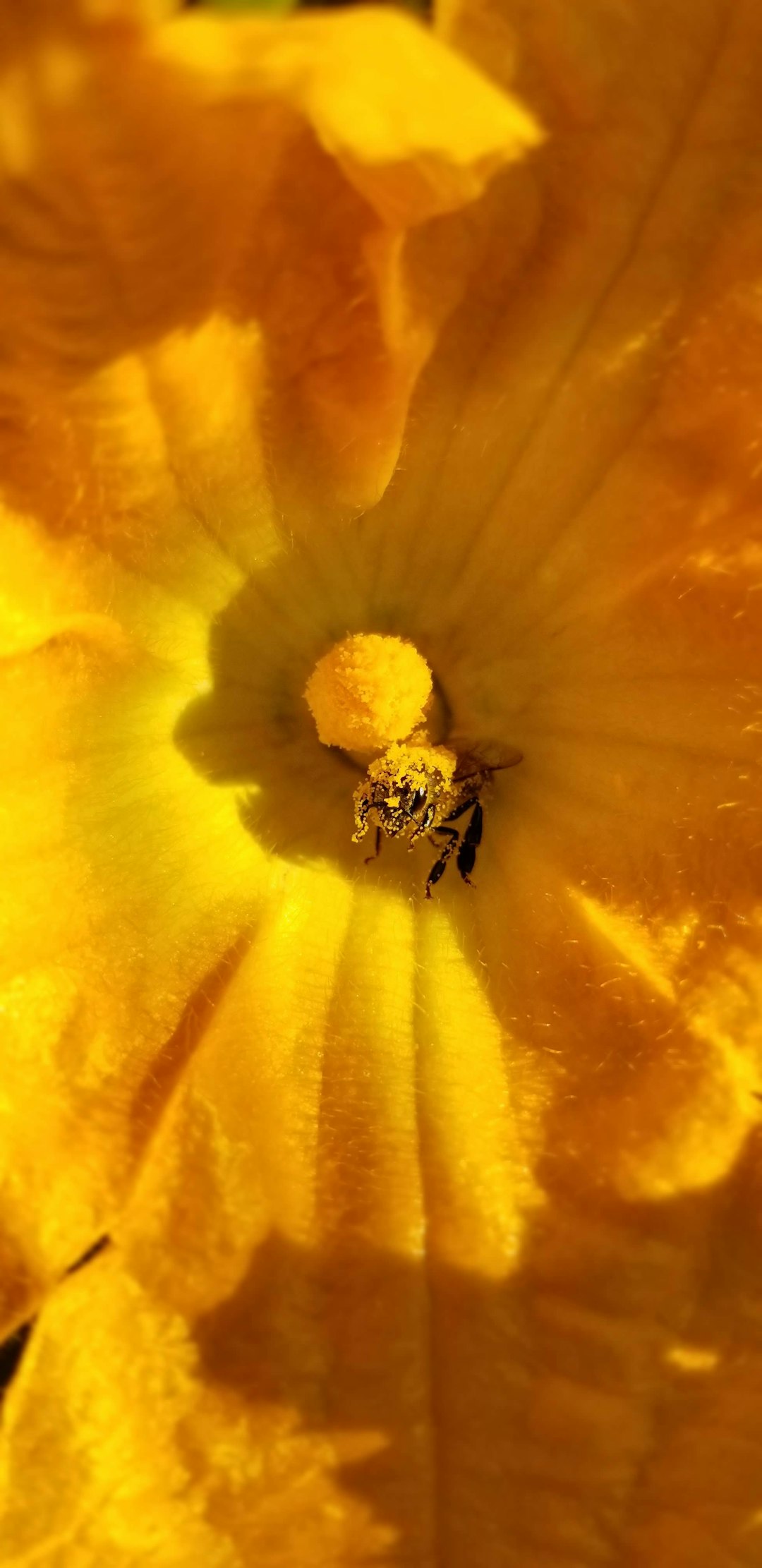
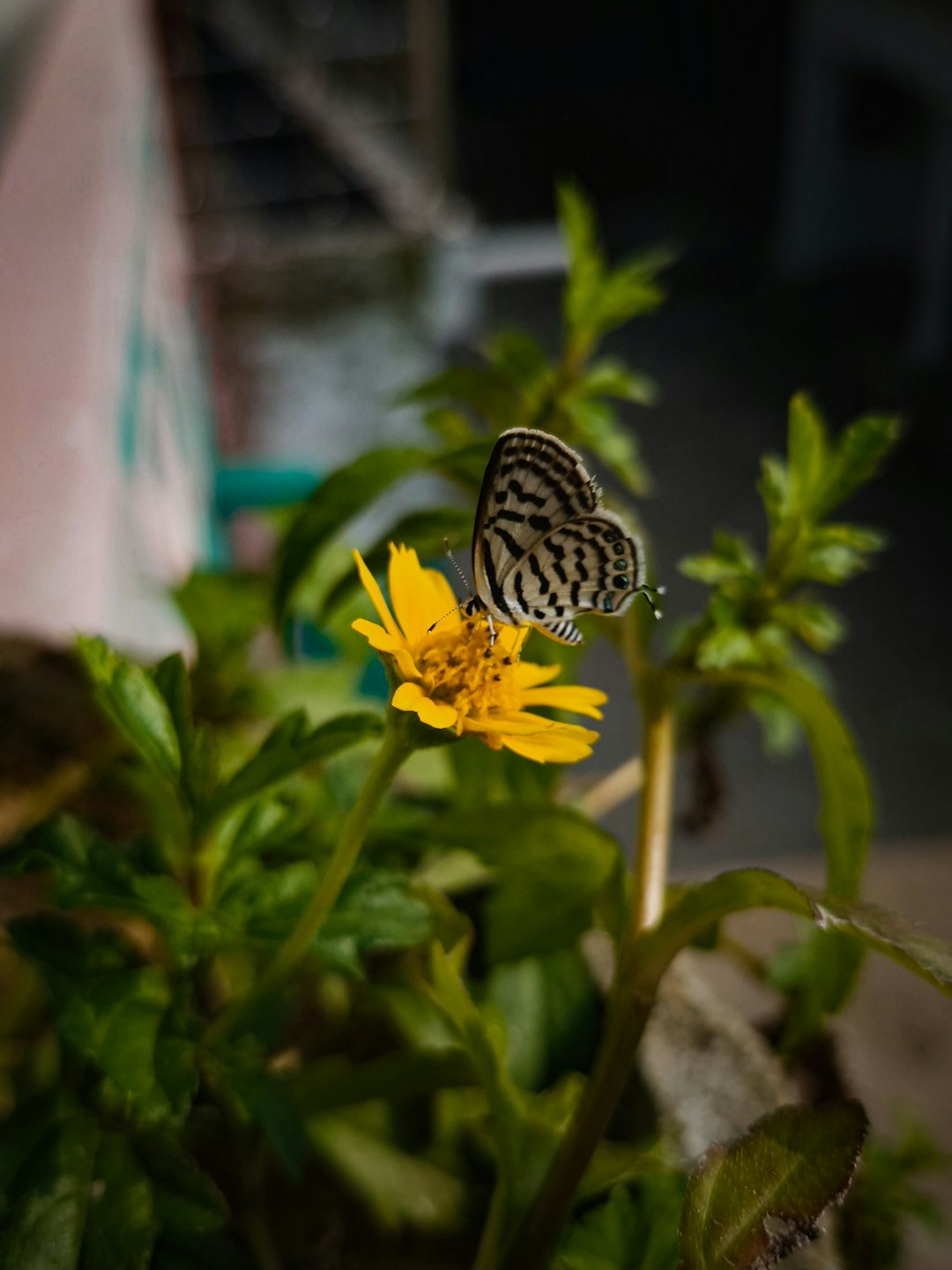
Strategic companion planting can transform your garden into a more resilient ecosystem, directly benefiting your Shasta daisies by deterring pests and attracting helpful insects. Many herbs and flowering plants act as natural guardians. For instance, the strong scent of Marigolds (Tagetes spp.) is known to repel nematodes and other common garden pests, making them excellent border plants. Similarly, herbs like Chives, Garlic, or Onions can deter aphids and other chewing insects. To invite beneficial insects—predators that feast on common garden pests like aphids and mites—plant species that offer nectar and pollen. Coneflowers (Echinacea purpurea), Yarrow (Achillea millefolium), and various varieties of Zinnia are magnets for ladybugs, lacewings, and parasitic wasps, all of which contribute to natural pest control. This symbiotic relationship reduces the need for chemical interventions, fostering a healthier environment for your daisies and the surrounding ecosystem.
Choosing companions for varied garden conditions and specific needs
While the general principles of sun and soil remain paramount, fine-tuning your companion plant choices involves considering specific garden microclimates and desired outcomes. For gardens with consistently good drainage, the range of options expands considerably. In areas prone to occasional dryness, selecting more drought-tolerant companions, such as Sedum or Lavender, can reduce overall watering needs without compromising the daisies. Conversely, if your soil leans slightly heavier but still drains adequately, plants that tolerate a bit more moisture, like some varieties of Monarda (Bee Balm), could thrive. When planning, also consider mature plant size to prevent overcrowding, which can inhibit air circulation and promote fungal diseases. Below is a table summarizing some top companion plant choices, highlighting their primary benefits and key growing characteristics, to help you tailor your selection.
| Companion Plant | Primary Benefit | Key Characteristic | Sun/Water Needs |
|---|---|---|---|
| Lavender (Lavandula spp.) | Aesthetic, Pest Deterrent (deer/rabbits), Pollinator Attractor | Purple blooms, aromatic foliage, drought tolerant | Full sun, well-drained, low water |
| Coneflower (Echinacea purpurea) | Aesthetic, Beneficial Insect Attractor, Drought Tolerant | Purple/pink daisy-like flowers, attracts bees/butterflies | Full sun, well-drained, moderate water |
| Salvia (Salvia spp.) | Aesthetic, Pollinator Attractor, Long Bloom | Spikes of blue/purple/red flowers, deer resistant | Full sun, well-drained, moderate water |
| Marigold (Tagetes spp.) | Pest Deterrent (nematodes, aphids), Aesthetic | Yellow/orange flowers, strong scent | Full sun, well-drained, moderate water |
| Yarrow (Achillea millefolium) | Beneficial Insect Attractor, Drought Tolerant, Aesthetic | Flat-topped clusters of white/yellow/pink flowers | Full sun, well-drained, low water |
| Delphinium (Delphinium spp.) | Aesthetic, Vertical Interest | Tall blue/purple/white flower spikes | Full sun, well-drained, moderate water |
Embracing the art and science of companion planting is a truly rewarding endeavor for any gardener cultivating Shasta daisies. By carefully selecting neighbors that share similar environmental needs, offer aesthetic harmony, or provide ecological benefits, you can transform a simple bed of daisies into a dynamic, healthier, and more vibrant garden feature. From deterring common pests with aromatic herbs to inviting a parade of beneficial pollinators with nectar-rich flowers, each companion plant plays a vital role in creating a balanced ecosystem. The result is not just a more beautiful display of those iconic white blooms, but a testament to gardening with nature, where every plant contributes to the overall success and resilience of the garden. Experiment, observe, and enjoy the living masterpiece you create alongside your cheerful Shastas.
Image by: Mohammad saaraan