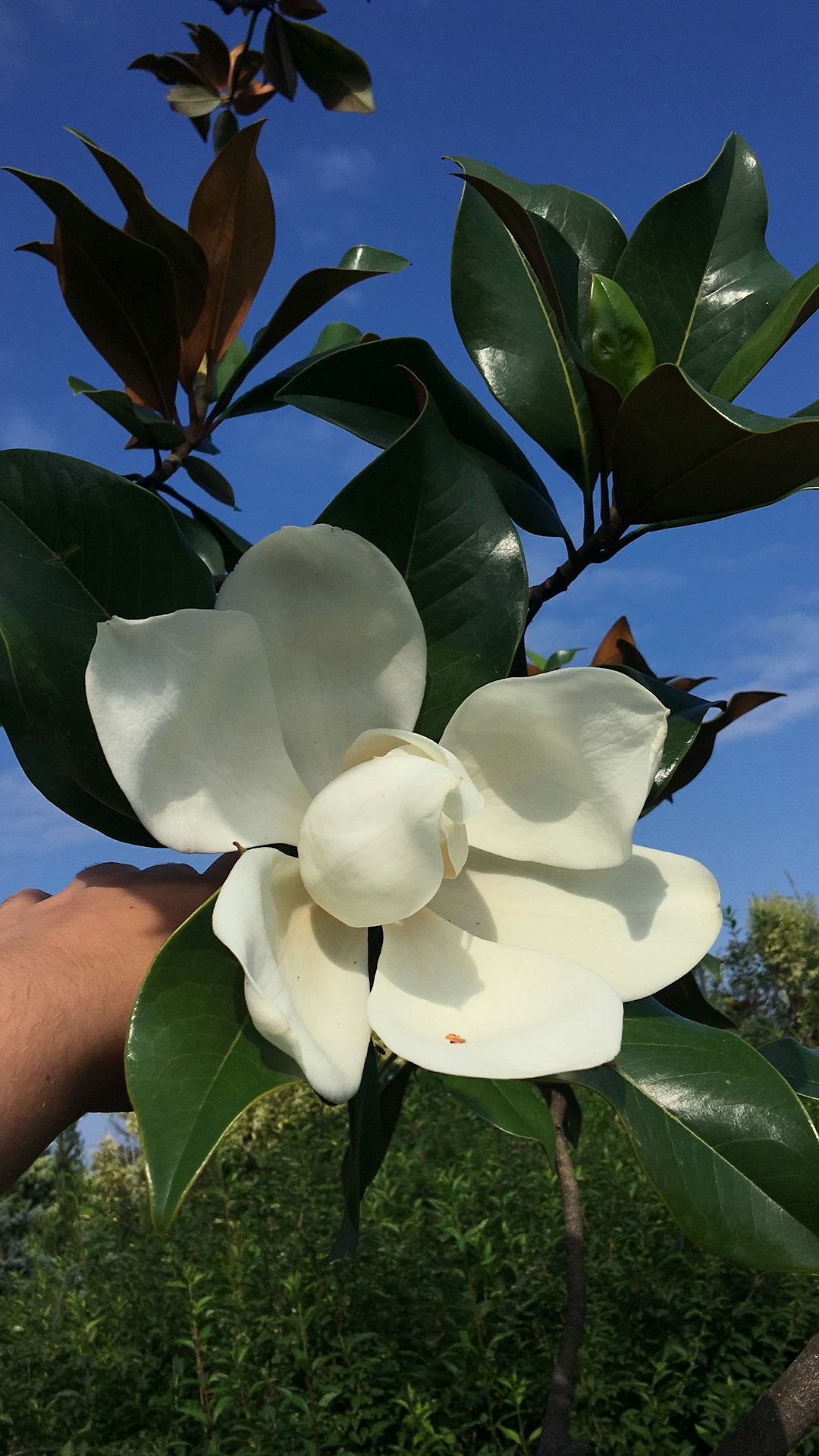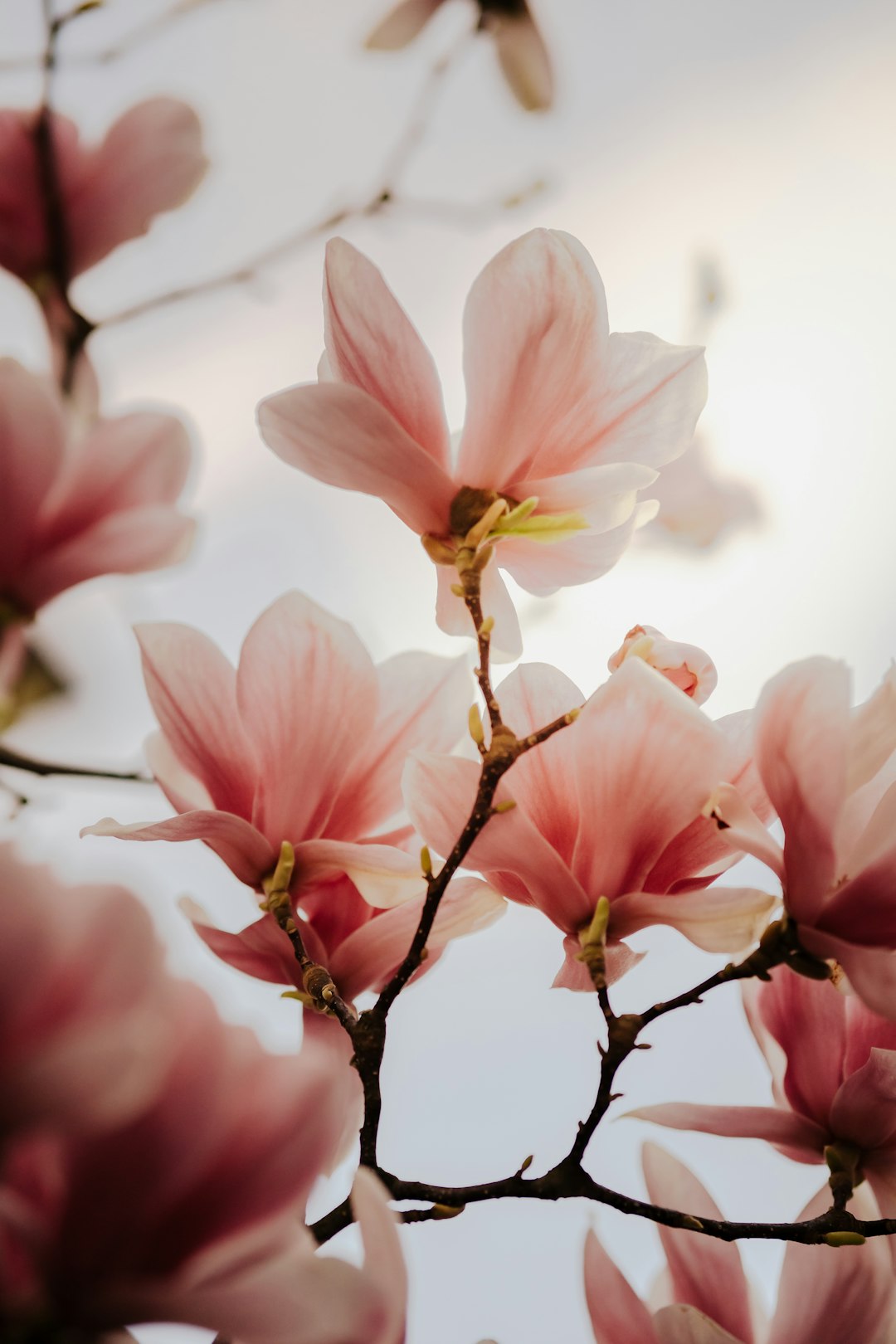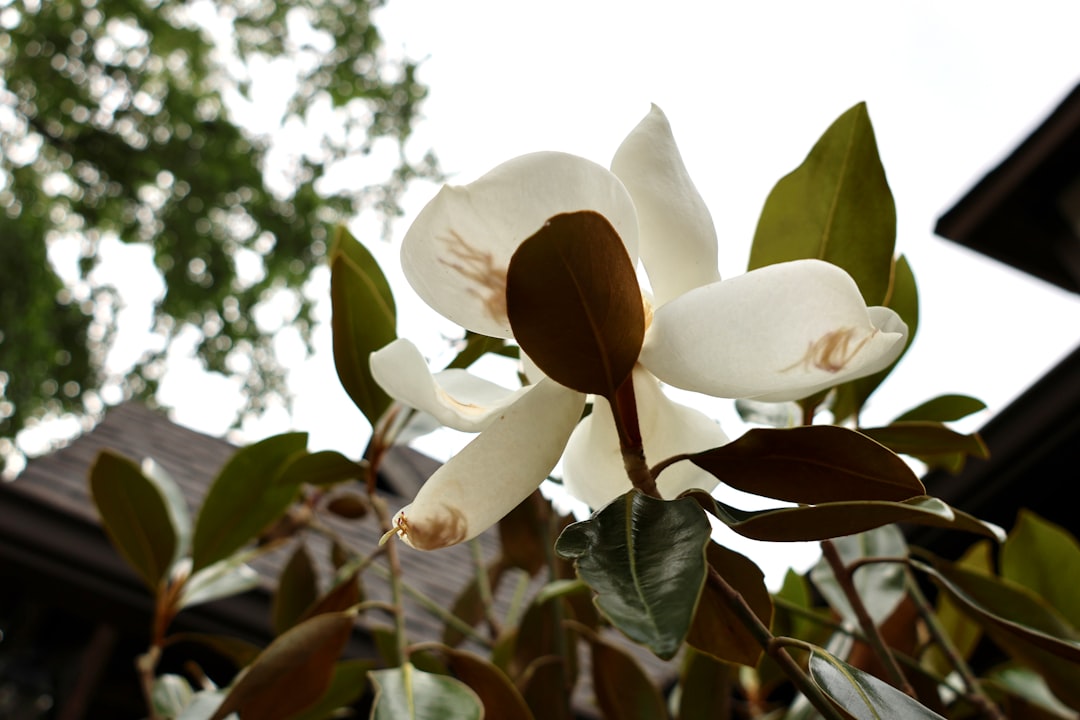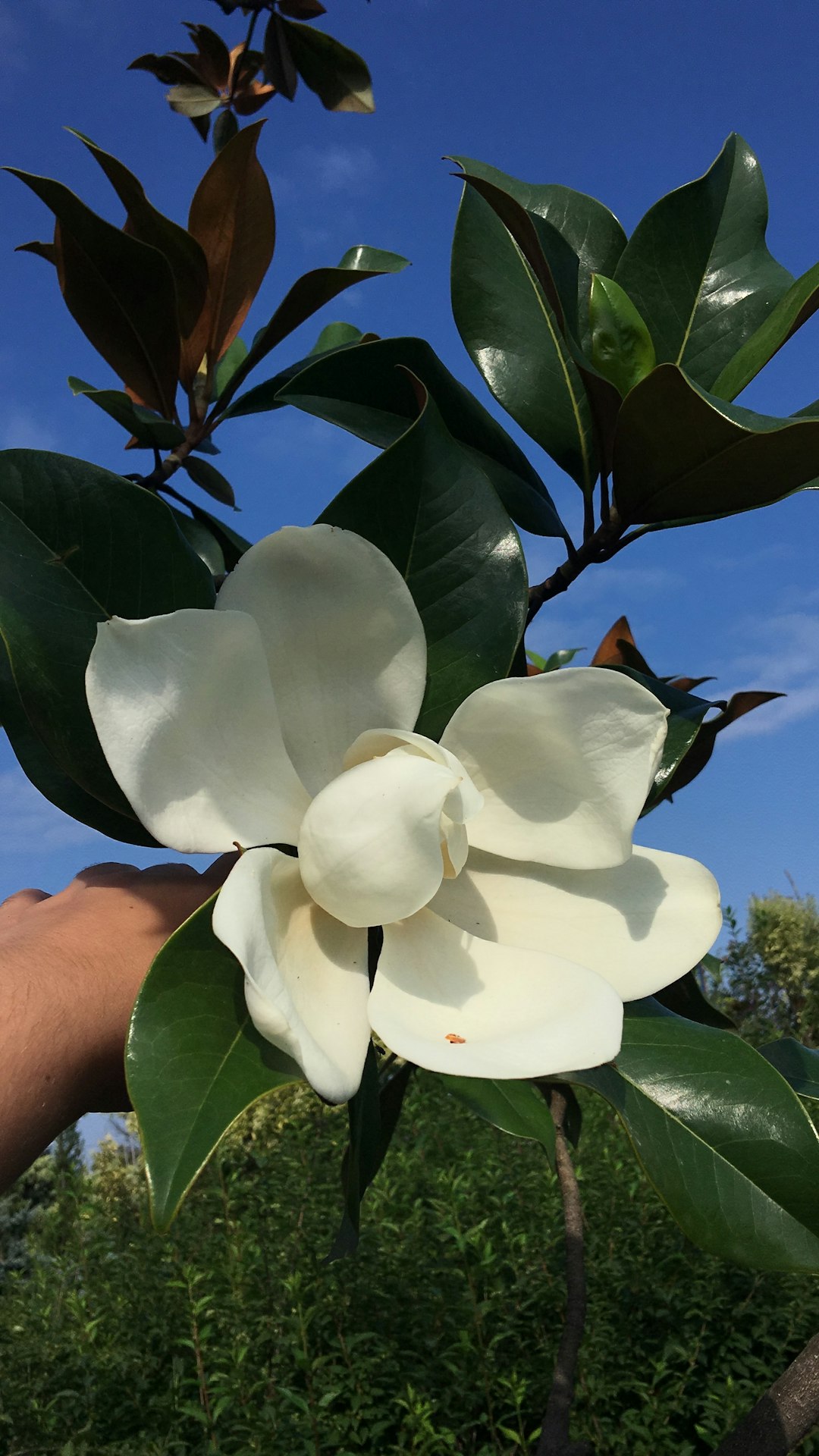
Magnolia trees, with their magnificent blossoms and often intoxicating fragrance, are a beloved sight in many gardens across the globe. From the grand, glossy leaves and huge white flowers of the Southern Magnolia to the delicate, star-shaped blooms of deciduous varieties, these plants bring undeniable elegance to any landscape. However, cultivating these beauties successfully often hinges on understanding one critical environmental factor: their light requirements. Gardeners frequently ponder whether magnolias thrive best under the full blaze of the sun or prefer the dappled shelter of shade. This article will delve into the specific light preferences of different magnolia types, providing insights and practical advice to help you ensure your magnolia flourishes, gracing your garden with its spectacular display for years to come.
Understanding magnolia sun preferences
For the vast majority of magnolia species, the ideal light condition can be described as full sun to partial shade. What exactly does this mean in practical terms? “Full sun” typically refers to an area that receives at least six hours of direct, unfiltered sunlight per day. “Partial shade,” on the other hand, implies an area that gets between three and six hours of direct sun daily, often with some protection from the intense afternoon rays. Most magnolias are sun-loving plants at heart, needing ample light to produce their signature abundant blooms. Insufficient sunlight is a common reason for sparse flowering, which can be quite disappointing for gardeners eager to see their tree in full glory.
While many magnolias can tolerate and even thrive in full sun, especially in cooler climates, the caveat often lies in the intensity of the summer sun. Young magnolias, in particular, may benefit from a location that offers some respite from the harshest midday sun. This is particularly true for cultivars known for more delicate foliage or those planted in regions with extremely hot summers. The morning sun is generally gentler and beneficial, while the scorching afternoon sun can sometimes stress younger plants or varieties not fully adapted to intense heat. Observing your specific climate and the variety of magnolia you are planting is key to making the best placement decision.
The nuance of “partial shade” and varietal differences
While the general rule points to full sun, the nuance of “partial shade” becomes incredibly important depending on your geographical location and the specific magnolia species. In hotter climates (USDA zones 7 and above, particularly the deep South or arid regions), afternoon shade can be a lifesaver for many magnolias. The intense heat combined with relentless sun can lead to leaf scorch, dehydration, and overall stress for the plant. A location that receives morning sun but is shaded from the harsh afternoon rays can provide the perfect balance, encouraging vigorous growth and protecting delicate foliage.
It’s also crucial to remember that not all magnolias are created equal regarding their light needs. Deciduous magnolias, such as the Star Magnolia (Magnolia stellata) or Saucer Magnolia (Magnolia x soulangeana), generally prefer more sun to produce their best flower show. However, even these can benefit from some afternoon shade in very hot climates. Evergreen varieties, like the Southern Magnolia (Magnolia grandiflora), are quite tolerant of full sun and even strong heat once established, but young plants can still suffer from scorch if not adequately watered or introduced to intense sun gradually. Always research the specific cultivar you intend to plant, as breeders sometimes develop varieties with particular tolerances or preferences.
The impact of incorrect light exposure
Placing a magnolia in the wrong light conditions can significantly impact its health, growth, and flowering ability. When a magnolia receives too little sun, the consequences are often visible and disappointing. Plants will typically become leggy and spindly as they stretch to find more light. The foliage may appear sparse, and critically, flower production will be dramatically reduced, if not entirely absent. Lack of sufficient sunlight can also weaken the plant, making it more susceptible to pests and diseases due to reduced vigor. The photosynthesis process, vital for plant energy and growth, is inhibited without adequate light.
Conversely, too much sun, particularly in hot climates, can also be detrimental. While established, sun-tolerant varieties might cope, younger plants or those with more delicate leaves can suffer from leaf scorch, where the edges or entire leaves turn brown and crispy. This is often accompanied by wilting during the hottest parts of the day. Chronic overexposure to intense sun can stunt growth, stress the root system, and ultimately lead to a less robust, shorter-lived plant. It’s a delicate balance; the goal is to provide enough light for robust flowering without subjecting the plant to undue stress from excessive heat and UV radiation.
Practical placement tips for healthy magnolias
Choosing the right spot for your magnolia is paramount for its long-term health and impressive blooms. Here are some practical tips to guide your planting decision:
- Observe your garden: Before planting, spend a day observing how sunlight moves across your intended planting area. Note how many hours of direct sun it receives and at what time of day the sun is most intense.
- Consider your climate: In cooler northern climates, full sun is often ideal for most magnolias. In hotter southern or western climates, aim for morning sun and afternoon shade, or a location with dappled light throughout the day.
- Account for mature size: Remember that magnolias grow into substantial trees or large shrubs. Ensure the chosen spot not only meets their light needs now but will also accommodate their mature size without shading out other plants or becoming overcrowded.
- Soil moisture: Sunnier spots will dry out faster. Ensure you can provide consistent moisture, especially during establishment, if planting in full sun. In partial shade, soil may retain moisture longer, reducing watering frequency but requiring good drainage.
To illustrate the variation, here’s a brief overview of sun preferences for some popular magnolia types:
| Magnolia type | Ideal sun exposure | Notes |
|---|---|---|
| Magnolia grandiflora (Southern Magnolia) | Full sun to partial shade | Tolerates full sun well once established, especially in humid climates. Young plants benefit from afternoon shade in very hot areas. |
| Magnolia x soulangeana (Saucer Magnolia) | Full sun to partial sun | Needs ample sun for best flowering. Afternoon shade recommended in scorching climates to prevent leaf scorch. |
| Magnolia stellata (Star Magnolia) | Full sun to partial shade | Best flowering in full sun. Benefits from afternoon shade in zones 7+ to protect delicate petals from wilting. |
| Magnolia virginiana (Sweetbay Magnolia) | Full sun to partial shade | More adaptable, can tolerate damper soils. Prefers more sun for best flowering but can handle more shade than others. |
Conclusion
In conclusion, the question of whether magnolia plants need sun or shade isn’t a simple either/or, but rather a nuanced consideration based on species, climate, and local conditions. While the general consensus leans towards full sun to partial shade, most magnolias truly thrive with at least six hours of direct sunlight to produce their most spectacular blooms. However, this preference is tempered by the intensity of the sun, especially in hotter regions, where some afternoon shade becomes crucial for protecting foliage and preventing stress. Too little light results in sparse flowering and weak growth, while excessive, scorching sun can damage leaves and stunt development, particularly in young plants. Understanding your specific magnolia variety and carefully observing the light patterns in your garden are the most critical steps. By selecting a site that offers the right balance of light and protection, you can ensure your magnificent magnolia becomes a stunning and resilient centerpiece in your landscape, rewarding you with its breathtaking floral displays year after year.
Image by: Praga Praga