Vinca, often cherished for its lush, evergreen foliage and charming, star-like flowers, is a popular choice for ground cover in many gardens. Known more commonly as periwinkle, this resilient plant offers a beautiful solution for difficult areas, providing a carpet of green even in shaded spots where other plants struggle. However, its very success as a ground cover stems from its remarkably efficient and diverse spreading mechanisms. Understanding _how_ Vinca spreads is crucial for any gardener, whether you’re aiming to cultivate a dense, sprawling mat or trying to manage its vigorous growth to prevent it from overtaking other desired plants. This article will delve into the intricate ways Vinca propagates, exploring the primary methods it employs to colonize new territory and establish itself firmly in the landscape.
The primary method of spread: rhizomes and stolons
The most significant and effective way Vinca spreads is through its sophisticated system of vegetative propagation, primarily via _rhizomes_ and _stolons_. These specialized stems allow the plant to expand horizontally and rapidly. Rhizomes are underground stems that grow horizontally, sending out roots from their undersides and shoots from their upper surfaces. This subterranean network acts like an efficient underground highway, allowing Vinca to pop up new plants several inches or even feet away from the parent plant, often creating a dense, interconnected mat beneath the soil surface. This makes it incredibly resilient, as even if the visible plant is removed, the underground rhizomes can regenerate new growth.
Complementing rhizomes are stolons, often referred to as runners. These are above-ground stems that creep along the soil surface. As stolons grow, they develop nodes at intervals, and wherever these nodes come into contact with moist soil, they have the remarkable ability to root and produce new shoots. This process effectively creates new, independent plantlets that remain genetically identical to the parent. The combination of both underground rhizomes and surface stolons ensures a two-pronged attack on available space, allowing Vinca to quickly colonize and form a thick, impenetrable ground cover.
Stem rooting and opportunistic growth
Beyond its dedicated rhizome and stolon systems, Vinca exhibits a highly opportunistic method of spread through direct stem rooting. This mechanism is incredibly simple yet profoundly effective, contributing significantly to its ability to form dense, interlocking mats. Whenever a Vinca stem, particularly one that has grown long and somewhat woody, comes into prolonged contact with moist soil, it has the capacity to develop adventitious roots directly from its nodes. These roots quickly anchor the stem, and once established, that rooted section can become a new, independent plant capable of sustaining itself and further expanding the patch.
This process means that even small pieces of stem, perhaps broken off during pruning or disturbed by wildlife, can take root if conditions are favorable. It’s a testament to Vinca’s survival strategy: any part of the plant that can gain purchase in the soil has the potential to start a new colony. This inherent ability makes Vinca an extremely aggressive ground cover, as its sprawling nature naturally leads to stems touching the ground, rooting, and creating an ever-expanding network of growth. Gardeners often observe this phenomenon when Vinca spills over retaining walls or containers, with stems rooting into the soil below.
Seed dispersal and minor contributions
While the vegetative spread methods of rhizomes, stolons, and stem rooting are the dominant forces behind Vinca’s ground-covering prowess, seed dispersal does play a role, albeit a less prominent one for many common varieties like _Vinca minor_. However, species such as _Vinca major_ are more prone to setting viable seeds. These seeds are typically produced after the plant’s flowering period, developing within small seed pods.
Once mature, these seeds can be dispersed through various natural mechanisms:
- Wind: Lighter seeds may be carried short distances by breezes.
- Water: Rain runoff can wash seeds into new areas, particularly on slopes.
- Animals: Birds or small mammals might consume the seed pods, inadvertently dispersing the seeds through their droppings, or seeds might cling to their fur or feathers.
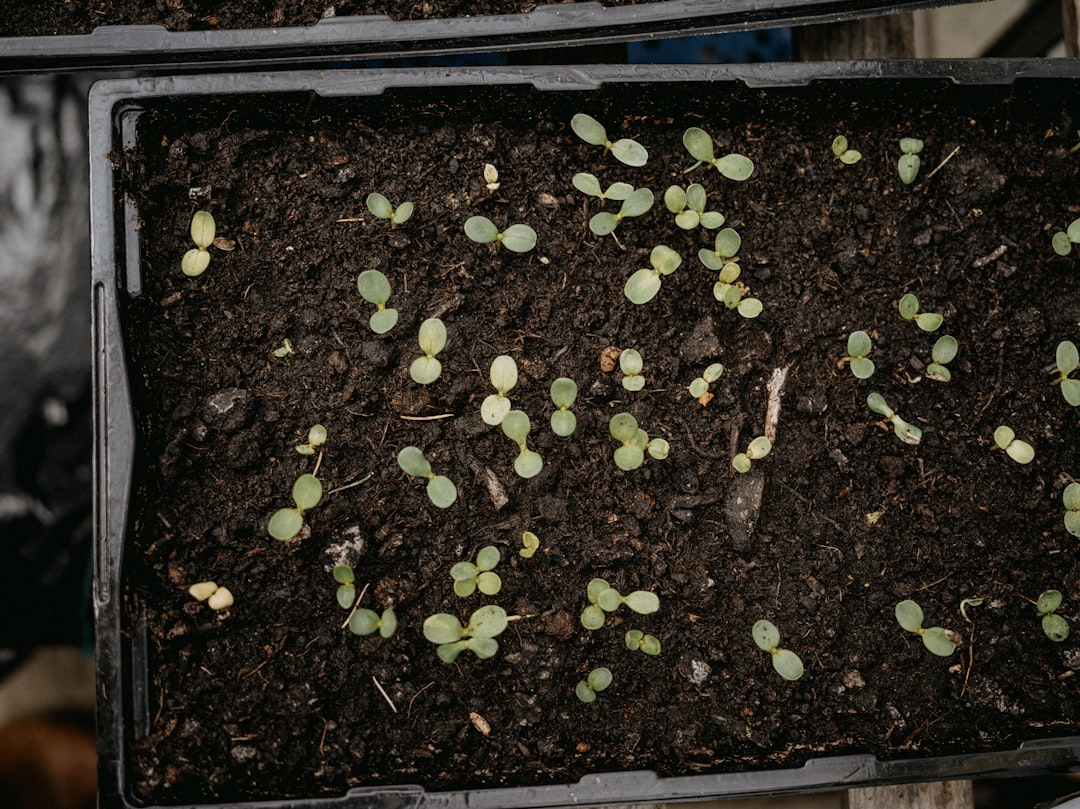
For most gardeners, encountering Vinca spread primarily via seeds is less common than witnessing its vegetative expansion. Seedlings might emerge in disturbed soil or bare patches, contributing to the establishment of new plants in areas not directly connected to existing Vinca colonies. This method is particularly relevant in naturalized or wild settings where the plant is allowed to complete its full life cycle without intervention, leading to genetic diversity in the population.
Here’s a comparison of Vinca’s primary spread methods:
| Method of Spread | Primary Mechanism | Speed & Effectiveness | Control Difficulty |
|---|---|---|---|
| Rhizomes | Underground horizontal stems root and shoot | Very fast & highly effective (subterranean) | High (difficult to remove entirely) |
| Stolons | Above-ground horizontal stems root at nodes | Fast & effective (surface expansion) | Moderate (visible, but widespread) |
| Stem Rooting | Any stem contact with soil roots directly | Moderate to fast (opportunistic) | Moderate (requires vigilance) |
| Seeds | Germination of dispersed seeds | Slow & less effective for common varieties | Low to moderate (seedlings easier to remove) |
Human intervention and accidental spread
Beyond its natural biological mechanisms, Vinca’s spread is often significantly amplified, and sometimes inadvertently managed, by human intervention. Gardeners, in their efforts to cultivate or control the plant, can become key agents in its propagation. One common scenario is during routine garden maintenance, such as pruning or weeding. Cuttings of Vinca stems, if discarded thoughtlessly onto moist soil or compost piles, can easily root and begin new colonies. Its vigorous nature means even small fragments can establish themselves if conditions are favorable.
Furthermore, the division of existing Vinca clumps to propagate new plants, while intentional, also contributes to its spread. If not carefully contained or if pieces are left behind, these divisions can quickly take hold. The movement of soil, whether for new garden beds, landscaping projects, or simply clearing an area, can also carry hidden rhizome fragments or rooted stem pieces to new locations. Even tools like shovels or tillers, if not thoroughly cleaned, can transfer small bits of Vinca to previously uninfested areas. Understanding this human element is crucial for both maximizing Vinca’s benefits and mitigating its potential to become an invasive problem within a cultivated landscape.
In conclusion, Vinca’s remarkable ability to spread is a testament to its evolutionary success as a ground cover, utilizing a multi-faceted approach to colonize and thrive. Its primary methods involve an efficient network of _rhizomes_ that creep underground and _stolons_ that root along the soil surface, forming dense, interconnected mats. Additionally, its opportunistic _stem rooting_ capacity allows any part of a stem touching moist ground to establish new growth, further enhancing its expansive nature. While less significant for common varieties, _seed dispersal_ contributes to its long-term propagation, especially in naturalized settings. Finally, human activities, including discarded cuttings and soil disturbance, often inadvertently accelerate its spread.
Understanding these diverse mechanisms is paramount for effective garden management. Whether you’re seeking to establish a resilient ground cover or to rein in its enthusiastic growth, recognizing how Vinca propagates empowers you to harness its benefits while mitigating its potential to outcompete other plants. By being mindful of its various spreading strategies, gardeners can ensure Vinca remains a cherished asset in the landscape, providing its distinctive beauty without becoming an unwelcome challenge.