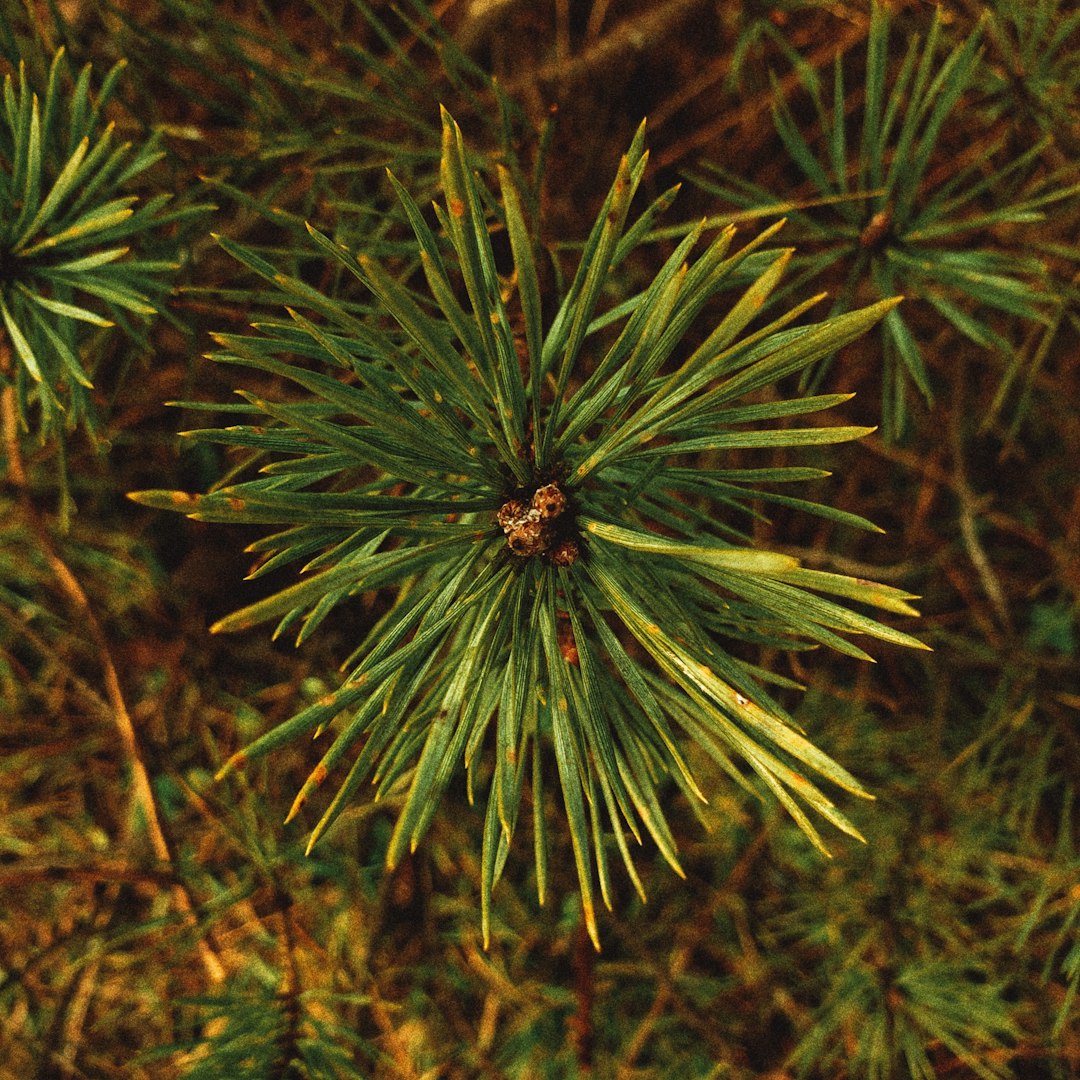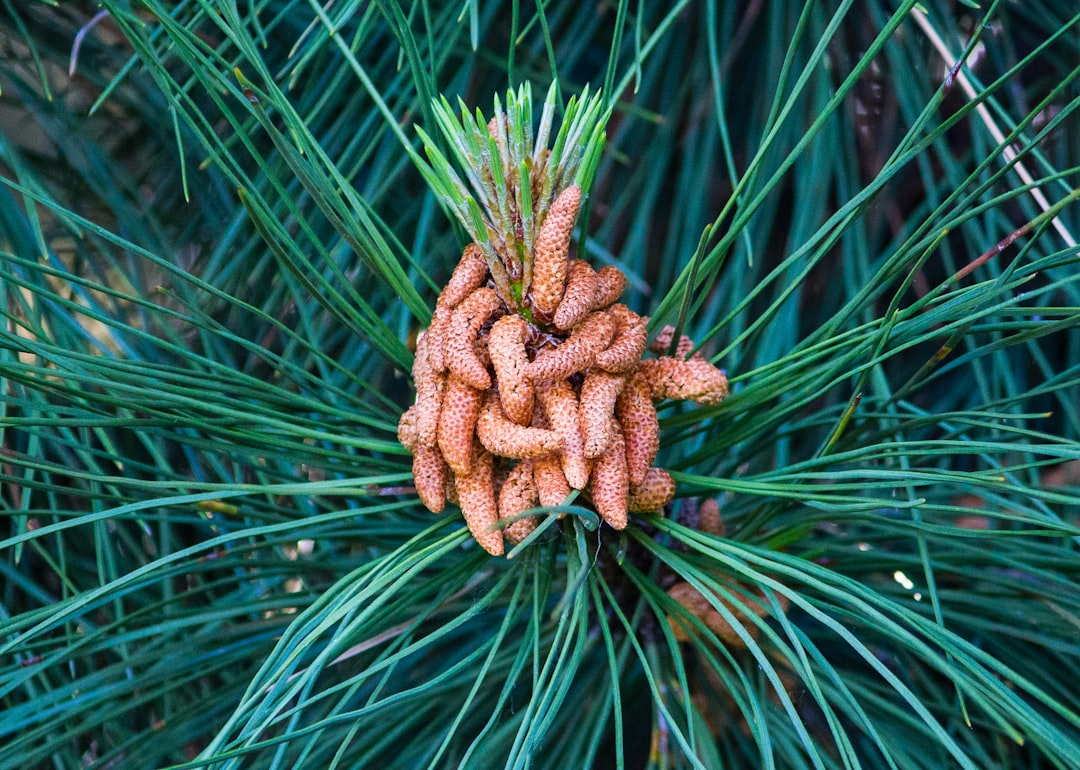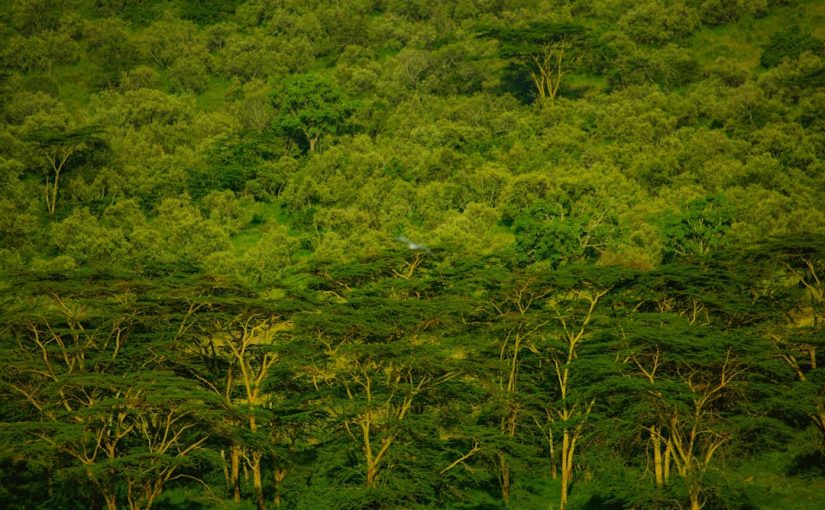
The image of a majestic pine tree typically evokes cool, temperate forests, often blanketed in snow or thriving in regions with distinct seasons. Think of the vast boreal forests of Canada or the evergreen woodlands of the Pacific Northwest. Therefore, the very idea of a pine tree flourishing under the relentless tropical sun, amid high humidity and year-round warmth, might seem entirely counterintuitive. Can these iconic conifers, synonymous with colder climates, truly find a home in the balmy, frost-free zones near the equator? This article delves into this intriguing question, exploring the surprising adaptability of certain pine species, the challenges they face in tropical environments, and the ecological and economic implications of their presence in regions traditionally dominated by broadleaf vegetation.
The native range of pine trees and tropical climate characteristics
Pine trees, belonging to the genus Pinus, are an incredibly diverse group of conifers, with over 120 species distributed across the Northern Hemisphere. Their natural habitat predominantly spans temperate and boreal regions, from the Arctic Circle down to subtropical zones in North America, Europe, and Asia. These environments are typically characterized by distinct seasons, including cold winters with frost or snow, moderate to warm summers, and often a relatively dry period, which many pines are well-adapted to survive. Their needle-like leaves, thick bark, and conical shapes are classic adaptations for conserving water and shedding snow.
In stark contrast, tropical climates, generally found between the Tropic of Cancer and the Tropic of Capricorn, are defined by consistently high temperatures throughout the year, minimal seasonal temperature variation, and often abundant rainfall, leading to high humidity. Frost is virtually non-existent. These conditions foster dense, evergreen broadleaf forests, like rainforests, or savannas, which are vastly different from the typical pine forest ecosystem. The lack of a cold dormancy period, the intense solar radiation, and the unique soil compositions of many tropical regions present significant physiological challenges for plants adapted to temperate zones.
Pine species with tropical adaptations
While most pines prefer cooler climates, the genus Pinus is remarkably adaptable, and a select number of species have evolved to thrive in subtropical and even genuinely tropical conditions. These are not just anomalies but represent successful evolutionary divergences. For instance, the Caribbean pine (Pinus caribaea) and the tropical pine (Pinus tropicalis) are native to the Caribbean islands, Central America, and parts of northern South America. These species are well-suited to warm, humid climates and often sandy, nutrient-poor soils found in coastal tropical regions. They exhibit faster growth rates and a higher tolerance for heat and humidity compared to their temperate cousins.
Further east, in Southeast Asia, species like Pinus merkusii and Pinus kesiya (also known as Khasi pine) are indigenous to tropical and subtropical mountain ranges, extending from the Philippines and Indonesia to Thailand, Vietnam, and India. These pines typically grow at higher altitudes within the tropics, where temperatures are slightly cooler than sea level, but still experience year-round warmth and high rainfall. Their success underscores the diversity within the pine family, demonstrating that “pine” does not exclusively mean a cold-weather tree. They possess adaptations like efficient water-use strategies and resistance to tropical pests and diseases that are crucial for survival in these unique environments.
Challenges and successes of tropical pine cultivation
Cultivating pines in tropical regions, whether native species or introduced ones, comes with a unique set of challenges. One primary concern is disease and pest susceptibility. The warm, humid conditions of the tropics can create ideal breeding grounds for fungi and insects that temperate pines might not naturally encounter or be resistant to. Soil conditions are another factor; many tropical soils, especially those supporting rainforests, are highly leached and low in essential nutrients, or conversely, lateritic and iron-rich, requiring specific adaptations or soil amendments for pine growth. Additionally, the lack of a distinct cold period can disrupt the natural growth cycles of some pine species, affecting their wood quality or reproductive patterns.
Despite these hurdles, there have been significant successes in establishing pine plantations in tropical and subtropical zones, particularly for commercial forestry. Species like Pinus caribaea, Pinus elliottii (slash pine), and Pinus taeda (loblolly pine), while not strictly tropical, have been successfully introduced and cultivated in tropical and subtropical regions of Brazil, South Africa, Australia, and parts of Southeast Asia. These plantations are valued for their fast growth rates, providing timber, pulpwood, and resin. Selective breeding programs have further enhanced their adaptability, focusing on traits like disease resistance, faster growth, and improved wood characteristics under tropical conditions. The key lies in selecting the right species for the specific microclimate and soil conditions, often focusing on areas with a distinct dry season or higher elevations that mimic some aspects of their native range.
| Species Name | Native Region | Key Tropical Adaptations | Common Uses |
|---|---|---|---|
| Pinus caribaea (Caribbean Pine) | Caribbean islands, Central America | High heat tolerance, adapts to sandy soils, fast growth | Timber, pulpwood, resin |
| Pinus merkusii (Merkus Pine) | Southeast Asia (Indonesia, Philippines, etc.) | Thrives in humid tropics, found at higher altitudes, good resilience | Timber, rosin, turpentine |
| Pinus kesiya (Khasi Pine) | Southeast Asia (India, Vietnam, etc.) | Adaptable to varied tropical soils, relatively fast growth | Construction timber, paper pulp |
| Pinus elliottii (Slash Pine) | Southeastern USA (subtropical) | Tolerant to wet, poorly drained soils, high heat and humidity tolerance | Timber, naval stores (resin) |
Conclusion
In conclusion, the notion that pine trees are exclusively inhabitants of cold, temperate zones is a common misconception. While the vast majority do thrive in such environments, a fascinating subset of the Pinus genus has evolved remarkable adaptations, enabling them to not only survive but often flourish in the challenging conditions of the tropics. Species like Pinus caribaea and Pinus merkusii are prime examples, demonstrating that specific pines can tolerate high temperatures, humidity, and the unique soil compositions characteristic of equatorial regions. Their success, both naturally and in commercial plantations, underscores the incredible biodiversity and adaptability within the plant kingdom. However, the cultivation of pines in the tropics is not without its difficulties, requiring careful species selection, management of pests and diseases, and consideration of environmental impacts. Ultimately, the answer to “Can pine trees grow in the tropics?” is a resounding yes, but with the crucial caveat that it depends on the specific pine species and the precise tropical conditions, highlighting a complex interplay of biology, geography, and human intervention.
Image by: Brian Kungu