Cultivating your own vibrant produce is an incredibly rewarding endeavor, and among the easiest and most satisfying vegetables to grow are yellow wax beans. Known for their striking golden hue, crisp texture, and mild, sweet flavor, these beans are a delightful addition to any garden and kitchen. Starting them from seeds not only offers a wider variety of choices but also gives you the satisfaction of nurturing a plant from its very beginning. This comprehensive guide will walk you through every essential step, from selecting the perfect seeds and preparing your soil to the techniques for successful planting, diligent care, and ultimately, a bountiful harvest. Prepare to transform humble seeds into a cascade of sunshine-yellow pods right in your backyard.
Selecting the right variety and preparing your soil
The journey to a successful yellow wax bean harvest begins with thoughtful selection and diligent soil preparation. When choosing your seeds, you’ll primarily encounter two types: bush beans and pole beans. Bush varieties, such as ‘Gold Rush’ or ‘Maxibel’, grow into compact plants that mature quickly (typically 50-60 days) and produce their crop largely at once, making them ideal for smaller spaces or staggered plantings. Pole beans, like ‘Kentucky Wonder Wax’, require a support structure (trellis, stake, or fence) as they vine upwards, offering a longer, more continuous harvest over 60-70 days. Consider your garden size, desired yield, and harvest frequency when making your selection.
Once you have your seeds, focus on your soil. Yellow wax beans thrive in well-draining, loamy soil rich in organic matter. A slightly acidic to neutral pH, ideally between 6.0 and 7.0, is optimal. Before planting, conduct a soil test if unsure, and amend as needed. Incorporating a generous amount of well-rotted compost or aged manure will significantly improve soil structure, fertility, and drainage. Beans also require full sun, meaning at least 6-8 hours of direct sunlight per day, so choose a sunny spot in your garden, preparing it by loosening the soil to a depth of 6-8 inches.
Planting your wax bean seeds for success
Timing is crucial when planting yellow wax bean seeds. Beans are sensitive to frost and cold soil, so wait until all danger of the last spring frost has passed and the soil temperature consistently reaches at least 60°F (15°C). Planting too early can lead to poor germination or stunted growth. Direct sowing is almost always recommended for beans, as they do not transplant well.
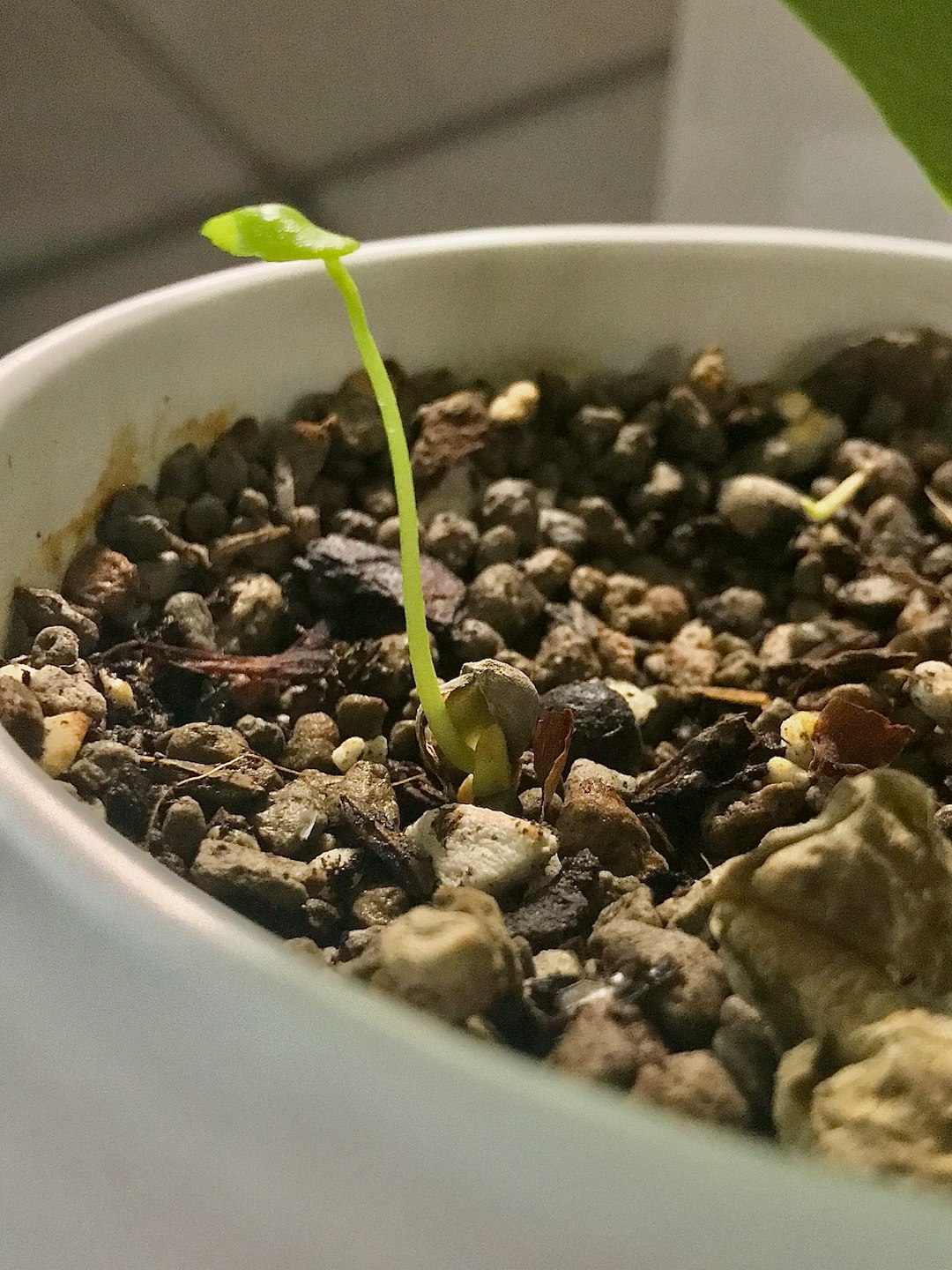
For bush beans, plant seeds about 1 inch deep and 4-6 inches apart in rows that are 18-24 inches apart. If you prefer wider rows or block planting, ensure adequate spacing for air circulation. For pole beans, plant seeds in groups of 3-4 around the base of your chosen support structure, with each group spaced 6-8 inches apart. Once seedlings emerge and are a few inches tall, thin bush beans to 6 inches apart, and pole beans to the strongest 2-3 seedlings per support. After planting, gently water the area to settle the soil around the seeds, ensuring consistent moisture for optimal germination.
Nurturing your plants: watering, fertilizing, and pest management
Consistent care after planting is key to a robust wax bean harvest. Watering is paramount, especially during flowering and pod development. Beans need about 1 inch of water per week, either from rain or irrigation. Deep, consistent watering encourages strong root development. Avoid overhead watering if possible, as wet foliage can promote fungal diseases like powdery mildew; instead, water at the base of the plants in the morning to allow leaves to dry. Mulching around your plants with straw or shredded leaves can help retain soil moisture, suppress weeds, and regulate soil temperature.
When it comes to fertilizing, beans are unique. They are legumes, meaning they have a symbiotic relationship with soil bacteria that convert atmospheric nitrogen into a usable form, enriching the soil. Therefore, avoid high-nitrogen fertilizers, which can encourage leafy growth at the expense of bean production. If your soil test indicates a deficiency, a balanced fertilizer or one higher in phosphorus and potassium can be applied before planting. Organic amendments like compost tea or a side dressing of compost can provide gentle, consistent nutrients throughout the growing season. Keep an eye out for common pests like bean beetles or aphids; inspect plants regularly and address issues promptly with organic solutions such as hand-picking beetles, using insecticidal soap for aphids, or introducing beneficial insects. Ensure good air circulation, especially for pole beans, to minimize disease risk.
Harvesting your bounty and enjoying the rewards
The culmination of your efforts arrives with the harvest. Yellow wax beans are typically ready for picking when the pods are firm, plump, and snap easily when bent. They should be bright yellow and tender, before the seeds inside begin to bulge significantly. Bush beans generally mature in 50-60 days, while pole beans take 60-70 days from planting. Harvesting frequently encourages the plant to produce more pods, extending your yield over several weeks. Gently snap or cut the beans from the plant, being careful not to damage the stems or developing flowers.
Here’s a quick comparison of the two main types:
| Feature | Bush Wax Beans | Pole Wax Beans |
|---|---|---|
| Growth Habit | Compact, self-supporting | Vining, requires support |
| Days to Maturity | 50-60 days | 60-70 days |
| Harvest Period | Concentrated, 1-2 main flushes | Extended, continuous harvest |
| Typical Height | 12-24 inches | 5-8 feet or more |
Freshly harvested wax beans are best enjoyed within a few days and can be stored in the refrigerator. For longer storage, blanching and freezing them is an excellent option, preserving their color and crispness for months. Enjoy your homegrown yellow wax beans steamed, stir-fried, added to salads, or simply snapped fresh from the vine.
Growing yellow wax beans from seeds is a deeply rewarding experience that brings vibrant color and delicious flavor to your garden and table. We’ve explored the essential steps, from the initial choice between bush and pole varieties and the critical preparation of your soil to the precise timing and spacing for successful planting. We delved into the ongoing care requirements, emphasizing consistent watering, appropriate fertilization that respects the bean’s nitrogen-fixing abilities, and proactive pest management. Finally, we covered the joyous moment of harvesting your tender, golden pods, understanding that frequent picking encourages an even more abundant yield. By following these guidelines, you’re not just planting seeds; you’re cultivating a source of fresh, healthy produce and the profound satisfaction of connecting with your food from the ground up. Embrace the process, and soon you’ll be enjoying the unparalleled taste of homegrown yellow wax beans.
Image by: Ravi Sharma