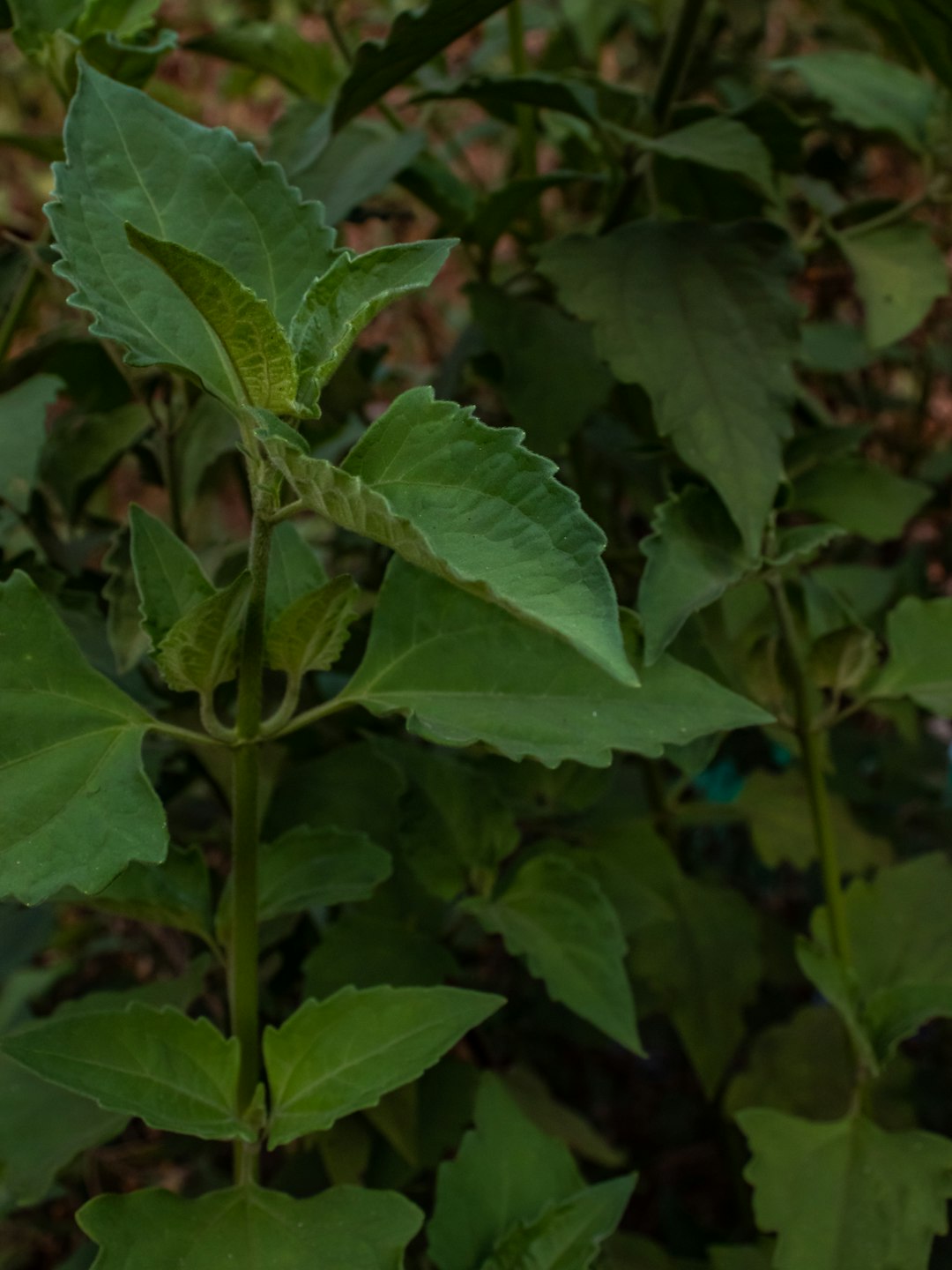
Azaleas are celebrated for their vibrant, show-stopping blooms and lush foliage, transforming any garden into a spectacle of color. However, these beloved shrubs are not immune to pests, and one common culprit that can quickly turn a gardener’s joy into despair is the presence of little green worms. These tiny invaders, often camouflaged among the leaves, can rapidly defoliate azaleas, compromising their health and aesthetic appeal. Identifying these pests early and understanding effective management strategies is crucial for maintaining the beauty and vitality of your plants. This comprehensive guide will walk you through the process of recognizing these unwelcome guests, exploring preventative measures, and detailing both organic and chemical interventions to ensure your azaleas remain magnificent and worm-free.
Identifying the culprits and understanding their impact
Before you can effectively combat an infestation, it’s essential to know precisely who you’re up against. The “little green worms” on azaleas are most commonly the larvae of various moths or sawflies, with azalea caterpillars (often black and yellow, but sometimes green in early stages) and looper caterpillars (geometrid moth larvae) being frequent offenders. Looper caterpillars are particularly distinctive for their “looping” or “measuring” gait, as they bring their hind legs up to meet their front legs before extending forward again. They vary in shade, often perfectly mimicking the green leaves and stems of the azalea.
These larvae are primarily leaf-chewers. You’ll notice their presence not just by seeing the worms themselves, but also by the damage they leave behind. This can range from small, irregular holes in leaves to more severe defoliation, where leaves appear skeletonized or entirely consumed, sometimes leaving only the main veins. Dark specks of frass (caterpillar excrement) on the leaves or ground beneath the plant are also clear indicators of active feeding. Understanding their life cycle – from egg to larva, pupa, and adult moth – helps in timing treatments for maximum effectiveness, as the larval stage is when they cause damage and are most vulnerable.
Proactive strategies for prevention and early detection
The best defense against azalea pests is a good offense, rooted in Integrated Pest Management (IPM) principles. Regular, thorough inspections are paramount. Make it a routine to check your azaleas several times a week, especially examining the undersides of leaves and new growth where eggs and young larvae often hide. Early detection of a few worms makes hand-picking far more manageable than battling a full-blown infestation.
Maintaining vigorous plant health also contributes significantly to pest resistance. Properly watered and fertilized azaleas, growing in soil with the correct pH (typically acidic, 4.5-6.0), are better equipped to withstand pest damage and recover more quickly. Encouraging beneficial insects, such as parasitic wasps, lacewings, and various bird species, can also provide a natural line of defense. These predators feed on or parasitize caterpillars, helping to keep their populations in check. You can attract them by planting a diverse range of flowering plants nearby and avoiding broad-spectrum pesticides that harm them. For isolated infestations, pruning away affected branches can prevent spread and provide some immediate relief without chemical intervention.
Manual and organic removal methods
For gardeners preferring eco-friendly approaches, several manual and organic methods are highly effective against azalea worms, particularly when infestations are caught early or are localized.
- Hand-picking: This is the most direct and chemical-free method. Don a pair of gloves and manually remove the caterpillars, dropping them into a bucket of soapy water to ensure their demise. This is most effective in the morning or evening when caterpillars are less active.
- Strong water spray: A forceful stream of water from a garden hose can dislodge many caterpillars from the leaves. While effective, it might not remove all of them, especially those clinging tightly.
- Bacillus thuringiensis kurstaki (Bt): Bt is a naturally occurring bacterium that is highly effective and specific to caterpillars. When caterpillars ingest Bt, it produces toxins that disrupt their digestive system, causing them to stop feeding and eventually die. It is completely safe for humans, pets, beneficial insects, and other wildlife. Apply it thoroughly to the foliage when young caterpillars are actively feeding.
- Neem oil: Derived from the neem tree, neem oil acts as an anti-feedant, growth regulator, and repellent. It disrupts the caterpillar’s life cycle and deters them from feeding. Apply neem oil according to label directions, ensuring good coverage, especially on the undersides of leaves.
- Insecticidal soaps: These soaps work by suffocating soft-bodied insects. They must come into direct contact with the worms to be effective. Ensure you use a product specifically labeled as an insecticidal soap and follow dilution instructions carefully to avoid plant damage.
To provide a quick comparison of these popular treatment options:
| Treatment method | Organic? | Target pest | Efficacy (general) | Notes |
|---|---|---|---|---|
| Hand-picking | Yes | Caterpillars | High (small infestations) | Labor intensive; best for early detection. |
| Bt (Bacillus thuringiensis kurstaki) | Yes | Caterpillars | High (young larvae) | Must be ingested; safe for beneficials. |
| Neem oil | Yes | Caterpillars, other soft-bodied pests | Moderate to high | Anti-feedant, growth regulator; apply thoroughly. |
| Insecticidal soap | Yes | Soft-bodied pests | Moderate | Requires direct contact; less residual effect. |
Chemical intervention: When and how to use them responsibly
While organic and manual methods are often preferred, there are situations where a chemical pesticide may be necessary, especially for severe infestations that threaten the survival of the plant. If you opt for chemical control, responsible application is key to minimizing harm to the environment, beneficial insects, and yourself.
- Identify the right product: Look for insecticides specifically labeled for caterpillars or azalea worms. Common active ingredients include pyrethrins (often considered organic-friendly, but still broad-spectrum), spinosad (derived from a soil bacterium, effective against caterpillars), or carbaryl.
- Targeted application: Avoid broadcasting pesticides indiscriminately. Instead, focus on spot treatments directly on the infested areas. This reduces the impact on non-target organisms.
- Timing is crucial: Apply pesticides when the caterpillars are young and actively feeding, as they are most vulnerable at this stage. Avoid spraying during the heat of the day to prevent plant stress and during bloom periods to protect pollinators.
- Read and follow label instructions: This cannot be stressed enough. Labels provide vital information on dilution rates, application methods, safety precautions (e.g., wearing gloves, eye protection), and re-entry intervals. Deviating from these instructions can be harmful or ineffective.
- Rotate pesticides: If chemical controls are used regularly, rotating different types of pesticides can prevent pests from developing resistance to a single active ingredient.
After any treatment, continue to monitor your azaleas for signs of recovery or re-infestation. A holistic approach that integrates prevention, cultural practices, and targeted treatments will yield the best long-term results for keeping your azaleas healthy and beautiful.
The presence of little green worms on your azaleas doesn’t have to spell disaster for your prized shrubs. As we’ve explored, successful management begins with diligent observation and accurate identification of the pests. From there, a strategic approach incorporating preventative measures, such as maintaining plant health and encouraging beneficial insects, lays a strong foundation for a worm-free garden. When direct intervention is needed, a spectrum of methods is available, ranging from simple hand-picking and effective organic solutions like Bt and neem oil, to targeted chemical interventions reserved for more severe cases. By understanding the nuances of each technique and applying them judiciously, you empower yourself to protect your azaleas without compromising environmental well-being. Regular vigilance and a proactive stance are your best allies in ensuring your azaleas continue to flourish, gracing your landscape with their stunning, vibrant presence year after year.
Image by: Being Organic in EU