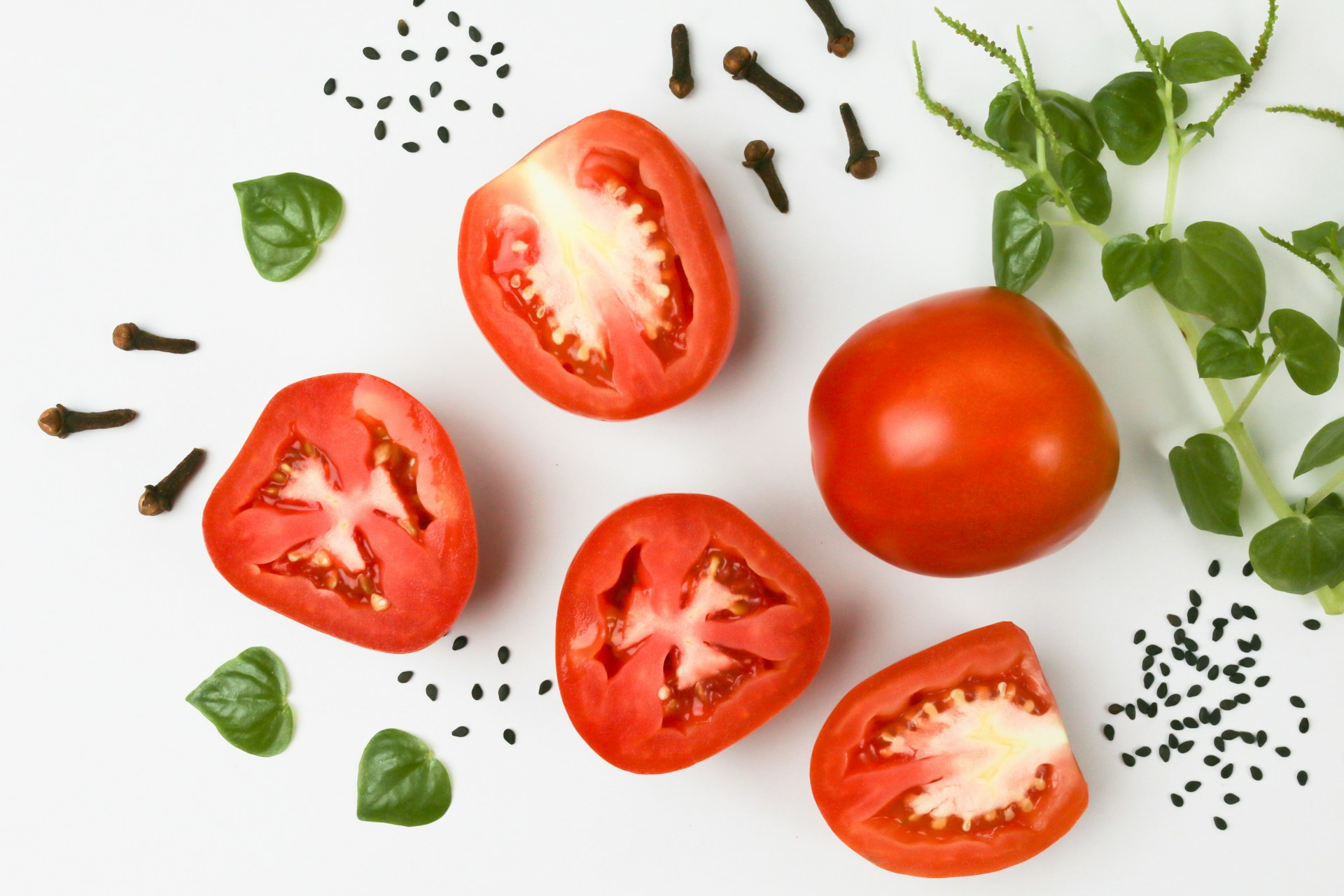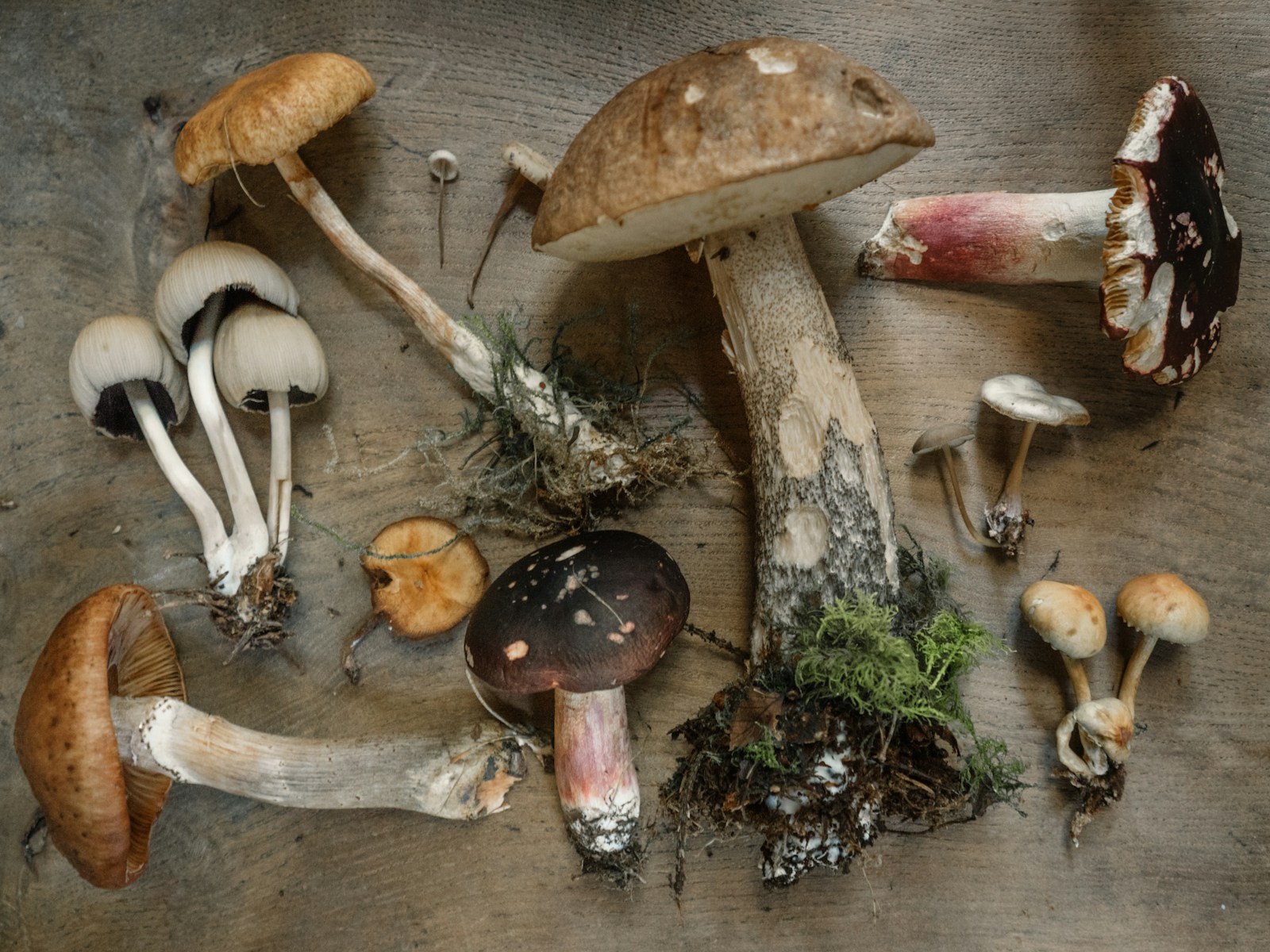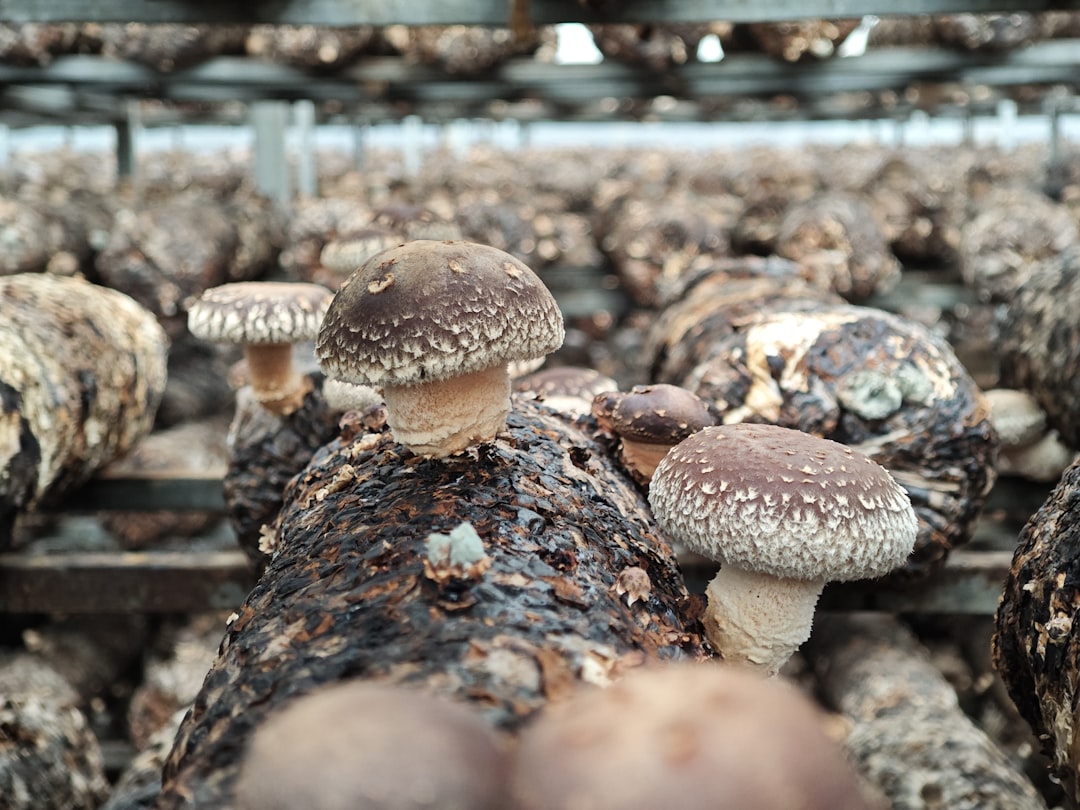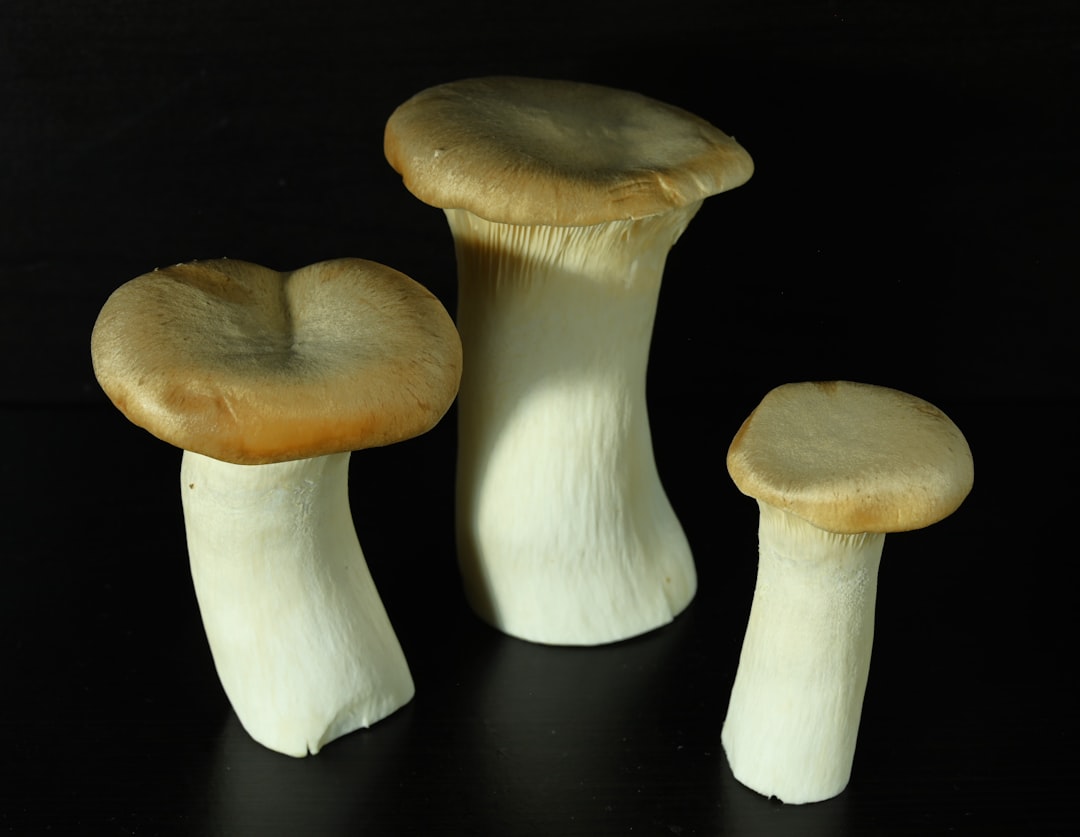
Discovering mushrooms sprouting around your prized tomato plants can certainly be a puzzling sight for any gardener. Your first thought might be concern: are these fungi harmful to your tomatoes? Are they a sign of a problem, or perhaps even a benefit to your garden ecosystem? This common phenomenon often sparks a mix of curiosity and apprehension. Rest assured, in most cases, these unexpected garden guests are nothing to worry about. Understanding why mushrooms appear in your tomato patch involves delving into the fascinating world of soil biology, moisture levels, and organic decomposition. This article will explore the reasons behind this occurrence, helping you decipher what these fungi mean for the health and vitality of your tomato plants and overall garden soil.
The fungal decomposers: essential garden workers
Mushrooms are merely the fruiting bodies of fungi, which are incredibly diverse organisms playing a crucial role in nearly every terrestrial ecosystem. In your garden, the vast majority of mushrooms you encounter are saprophytic fungi. This means they derive their nutrients by breaking down dead organic matter. Think of them as nature’s recycling crew. When you see a mushroom near your tomato plant, it signifies that the fungal mycelium—a network of thread-like structures called hyphae, mostly unseen beneath the soil surface—is actively working to decompose organic materials like wood chips, fallen leaves, old roots, or even residual compost.
This decomposition process is fundamentally beneficial. It releases essential nutrients back into the soil, making them available for your tomato plants and other vegetation. Without these tireless decomposers, organic matter would accumulate indefinitely, and the nutrient cycle would grind to a halt. Far from being a threat, their presence is often an indicator of a healthy, biologically active soil environment rich in organic matter, which is precisely what tomato plants thrive in for robust growth and fruit production. They are not feeding on your living tomato plants themselves, but rather on the surrounding decaying organic material.
Optimal conditions for fungal flourishing
The appearance of mushrooms is not random; it’s a direct response to specific environmental conditions. Fungi, particularly the types that produce visible mushrooms, require a combination of moisture, organic matter, and often cooler temperatures or shaded conditions to thrive and fruit. Let’s consider how these factors commonly manifest in a tomato garden:
- Consistent moisture: Tomato plants are notoriously thirsty, often requiring regular and deep watering. This consistent moisture in the soil creates an ideal humid environment for fungi to grow and produce mushrooms. Water-retentive mulches, while excellent for suppressing weeds and maintaining soil temperature, also contribute to keeping the soil surface damp, further encouraging fungal activity.
- Abundant organic matter: Many gardeners enrich their tomato beds with compost, peat moss, or use organic mulches like straw, wood chips, or shredded leaves. These materials are a direct food source for saprophytic fungi. As these mulches slowly break down, they provide the very organic matter that fungal mycelia colonize and decompose.
- Shade and humidity: The dense canopy of mature tomato plants can create significant shade at the soil level, especially in conjunction with mulch. This shade helps retain moisture and lowers soil surface temperatures, mimicking the cool, damp conditions where many fungi prefer to fruit.
Therefore, the presence of mushrooms is less about a problem and more about the success of your gardening practices in creating a rich, moisture-retentive, organic soil structure—conditions that also greatly benefit your tomatoes.
Assessing the impact: friend or foe?
It’s natural to worry if something growing alongside your valuable tomato plants could be detrimental. However, in the vast majority of cases, mushrooms growing with your tomatoes are harmless, or even beneficial. Here’s a quick breakdown:
Most common garden mushrooms are:
- Saprophytic: Decomposers breaking down dead organic matter. They do not feed on living plant tissue. These are beneficial for nutrient cycling.
- Mycorrhizal (less common but possible): Forming a symbiotic relationship with plant roots, exchanging nutrients. These are highly beneficial.
Potentially harmful fungi (less likely to produce conspicuous mushrooms directly associated with healthy plants) would typically manifest as:
- Plant diseases (e.g., blights, wilts, powdery mildew), which target living plant tissue and have specific symptoms on the leaves, stems, or fruit, rather than just appearing as mushrooms in the soil.
- Parasitic fungi, which are rare to see as mushroom fruiting bodies directly attacking a healthy tomato plant’s roots in an obvious way.
To put things in perspective, consider the following:
| Mushroom type | Primary food source | Impact on tomato plants |
|---|---|---|
| Saprophytic (most common) | Dead organic matter (mulch, old roots, compost) | Beneficial (nutrient release) or Neutral |
| Mycorrhizal (less visible in soil) | Plant roots (symbiotic exchange) | Highly Beneficial (improved nutrient/water uptake) |
| Pathogenic/Parasitic (rare as soil mushrooms) | Living plant tissue | Harmful (causes disease, visible plant symptoms) |
Unless your tomato plants are showing obvious signs of stress, disease, or decay (yellowing, wilting, lesions), the mushrooms are almost certainly a sign of a healthy, active soil ecosystem rather than a threat.
Managing your mushroom population
While the mushrooms are generally benign, some gardeners may prefer not to have them, perhaps for aesthetic reasons, out of concern for pets or children (as some wild mushrooms can be toxic if ingested), or simply to understand how to influence their presence. Managing mushroom growth primarily involves adjusting the conditions that favor their development:
- Adjust watering practices: Ensure you are not overwatering. While tomatoes need consistent moisture, avoid creating constantly soggy conditions. Water deeply but less frequently, allowing the topsoil to dry slightly between waterings. Consider drip irrigation to deliver water directly to the root zone, reducing surface moisture.
- Review mulching: Mulch is fantastic, but extremely thick layers of organic mulch can retain excessive moisture and provide ample food for fungi. If you have a very thick, decomposing mulch layer, you might consider thinning it slightly, or raking it to aerate the top layer.
- Improve air circulation: Pruning the lower leaves of your tomato plants can improve air circulation at soil level, helping the soil surface dry out more quickly after watering or rain. This also helps prevent foliar diseases in tomatoes.
- Remove organic debris: While a certain amount of organic matter is good, excessive accumulation of dead leaves, stems, or old wood can fuel fungal growth. Keep the area around your plants relatively tidy.
Remember, completely eliminating mushrooms might be counterproductive to soil health. A balanced approach that allows for beneficial decomposition while managing excessive surface moisture is often the best strategy.
In conclusion, discovering mushrooms flourishing alongside your tomato plants is, in most instances, a positive indicator rather than a cause for alarm. These fungi are primarily nature’s industrious decomposers, tirelessly breaking down organic matter in your soil and returning vital nutrients to the ecosystem. Their presence signifies a healthy, biologically active soil, rich in the organic material that your tomato plants also need to thrive. While they flourish in moist, organic-rich environments—conditions often found in well-maintained tomato patches—they are rarely harmful to living plants. Unless your tomato plants are showing clear signs of disease, these fungal companions are working to enrich your garden soil, not detract from it. Understanding their role allows you to appreciate the intricate web of life beneath your plants and manage your garden practices accordingly, focusing on good moisture management and sustainable organic matter use rather than fearing these beneficial, if unexpected, guests.
Image by: Gabriel Lenca