Encountering black caterpillars can be a frustrating experience for any gardener or homeowner. These ravenous larvae, while sometimes beautiful in their adult butterfly or moth forms, can wreak havoc on prized plants, stripping leaves, defoliating entire shrubs, and even destroying crops in a surprisingly short amount of time. Identifying the specific type of black caterpillar is the first step, as different species may require slightly varied approaches. Whether you’re dealing with the common cutworm, armyworm, or other destructive species, understanding effective strategies to control and eliminate them is crucial for maintaining a healthy and vibrant garden. This article will guide you through various methods, from organic solutions to targeted chemical interventions, ensuring you have the knowledge to protect your greenery from these persistent pests.
Identifying the common black culprits and their damage
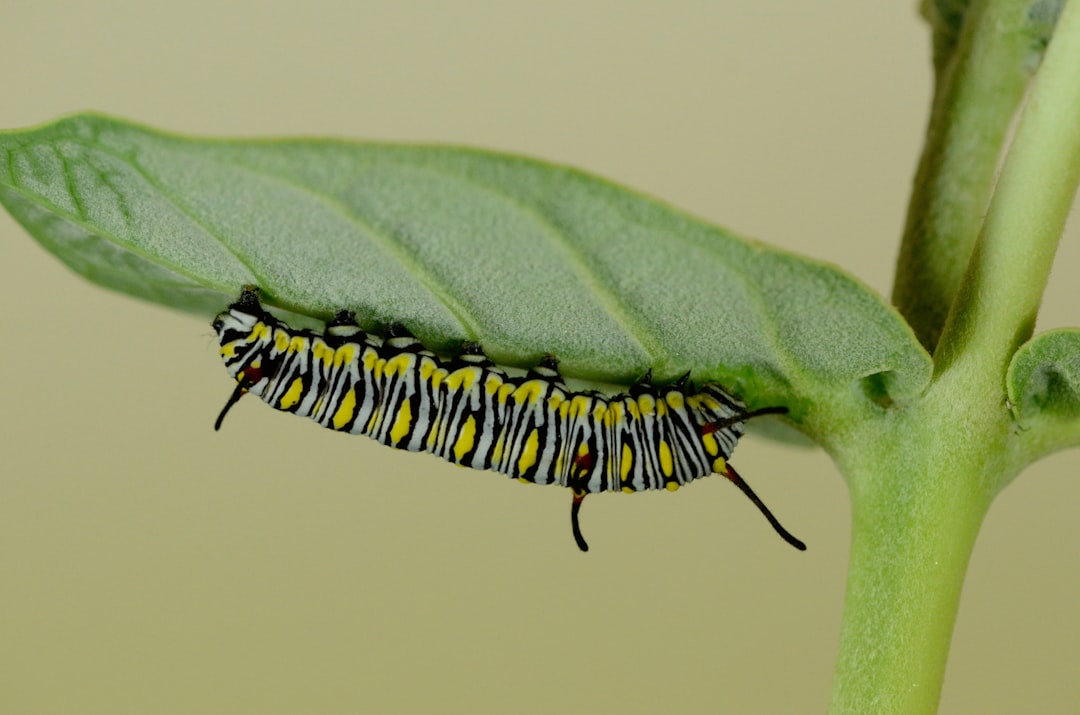
Before launching into any control measures, it is vital to accurately identify the black caterpillars infesting your garden. Many species of caterpillars are black or dark-colored, and while some are benign or even beneficial, others are notorious for their destructive feeding habits. Common garden pests that appear black include various species of cutworms, armyworms, and sometimes the larvae of certain moths like the gypsy moth (though these often have distinct markings). Cutworms, for instance, are often plump, dark-colored caterpillars that curl into a C-shape when disturbed. They are particularly damaging to young seedlings, often severing stems at ground level overnight. Armyworms, on the other hand, are known for their marching behavior, moving in large groups and voraciously consuming foliage from grasses, corn, and other vegetables. They typically have distinctive stripes along their bodies.
Understanding the specific type of damage can also help in identification. Are leaves being skeletonized? Are entire plants disappearing? Are fruits being bored into? Cutworms typically cause damage at the base of plants. Armyworms tend to defoliate plants from the top down. Black swallowtail caterpillars, while sometimes mistaken for pests, feed primarily on plants in the carrot family (parsley, dill, fennel) and are generally not considered a threat to general garden plants; in fact, they mature into beautiful butterflies. Correct identification ensures you target the right pest and avoid harming beneficial insects or unnecessarily treating non-threatening species.
Natural and organic control methods
For gardeners who prefer an eco-friendly approach, several natural and organic methods can effectively control black caterpillar populations without resorting to harsh chemicals. These methods prioritize the health of your garden ecosystem and minimize harm to beneficial insects, pets, and humans.
- Manual removal: For smaller infestations, hand-picking caterpillars off plants can be surprisingly effective. This is best done in the early morning or late evening when caterpillars are most active. Drop them into a bucket of soapy water to dispatch them.
- Bacillus thuringiensis (Bt): This is a naturally occurring soil bacterium that is highly effective against most types of caterpillars. Specifically, the Bacillus thuringiensis kurstaki (Btk) strain targets lepidopteran larvae. When caterpillars ingest Bt, it produces toxins that paralyze their digestive system, causing them to stop feeding and eventually die. Bt is safe for humans, pets, and other wildlife, including beneficial insects, as it only affects caterpillars.
- Neem oil: Derived from the neem tree, this oil acts as an antifeedant, repellent, and insect growth regulator. It disrupts the caterpillar’s hormone system, preventing them from growing and molting properly. Neem oil should be applied thoroughly to all plant surfaces where caterpillars are present.
- Diatomaceous earth (DE): Food-grade diatomaceous earth is a fine powder made from fossilized diatoms. Its microscopic sharp edges abrade the waxy outer layer of insects, causing them to dehydrate and die. Sprinkle DE around the base of affected plants or directly onto caterpillars. Reapply after rain.
- Encouraging natural predators: Attract birds, predatory wasps (like braconid or ichneumon wasps), ground beetles, and lacewings to your garden. These beneficial insects and animals prey on caterpillars, helping to keep their populations in check naturally. Planting diverse native plants can create a welcoming habitat for these helpful creatures.
- Soap solutions: A simple spray of insecticidal soap or a mild dish soap diluted in water (1-2 tablespoons per gallon) can effectively smother small, soft-bodied caterpillars. Ensure thorough coverage, as it only works on contact.
Chemical interventions for severe infestations
While organic methods are often preferred, severe black caterpillar infestations might necessitate the use of chemical insecticides, especially when crops or valuable plants are at significant risk. When choosing a chemical solution, it’s crucial to select the right product, apply it correctly, and always prioritize safety for yourself, pets, and the environment. Integrated pest management (IPM) principles suggest using chemicals as a last resort and in a targeted manner.
- Pyrethrins and pyrethroids: These are fast-acting insecticides that can provide quick knockdown of caterpillars. Pyrethrins are derived from chrysanthemum flowers, while pyrethroids are synthetic versions. Examples of active ingredients include permethrin, bifenthrin, and cyfluthrin. They work by disrupting the insect’s nervous system. Use these cautiously, as they can also harm beneficial insects and aquatic life.
- Spinosad: This is a naturally derived insecticide produced through fermentation. Spinosad is highly effective against caterpillars and other chewing insects, acting as both a contact and stomach poison. It has a relatively low toxicity to mammals and most beneficial insects once dry, making it a good option for organic gardens that need a stronger punch than Bt.
- Carbaryl: Often found in broader-spectrum garden insecticides, carbaryl is effective against a wide range of pests, including many caterpillars. However, it is a broad-spectrum insecticide and can harm beneficial insects, so its use should be highly targeted and with careful consideration of potential non-target effects.
Always read the product label thoroughly before application. Pay close attention to mixing ratios, application timing, reapplication intervals, pre-harvest intervals for edible plants, and safety precautions. Applying insecticides in the late evening can help minimize exposure to pollinators, who are generally less active at that time.
Prevention and long-term management strategies
Preventing black caterpillar infestations is far more effective and less labor-intensive than treating them once they’ve established themselves. Implementing long-term management strategies can significantly reduce the likelihood of future outbreaks and foster a healthier, more resilient garden ecosystem.
- Good garden hygiene: Regularly clear garden debris, fallen leaves, and weeds where caterpillars might overwinter or lay eggs. Tilling the soil in the fall can expose overwintering pupae to the elements and predators.
- Row covers: For vulnerable seedlings and young plants, physical barriers like floating row covers can effectively prevent adult moths from laying eggs on your plants. Ensure the edges are securely anchored to the ground.
- Crop rotation: If you’ve had issues with specific caterpillar species in a particular area, rotating your crops can disrupt their life cycle and food source, making it harder for populations to build up.
- Companion planting: Certain plants can deter caterpillars or attract their natural predators. For example, planting herbs like mint, garlic, and dill can sometimes repel pests, while plants like marigolds or cosmos can attract beneficial insects.
- Regular inspection: Make it a habit to regularly inspect your plants for signs of caterpillar activity, such as chewed leaves, frass (caterpillar droppings), or the caterpillars themselves. Early detection allows for immediate action, often with less invasive methods.
- Soil health: Healthy soil leads to healthy, robust plants that are better able to withstand pest pressure. Incorporate compost and organic matter to improve soil structure and nutrient availability.
Here is a summary of common black caterpillar pests and their typical damage:
| Caterpillar Type | Appearance | Typical Damage | Affected Plants |
|---|---|---|---|
| Cutworm | Plump, dark (grey/brown/black), curls into a C-shape | Severing young plant stems at soil level | Young seedlings, vegetables (cabbage, corn, beans) |
| Armyworm | Dark with distinctive stripes (often yellow, green, or black) | Defoliation, ragged leaves, “marching” in groups | Grasses, corn, wheat, various vegetables |
| Gypsy Moth (Lymantria dispar) | Hairy, dark body with pairs of blue and red dots | Heavy defoliation, skeletonized leaves | Oak, birch, poplar, willow, various deciduous trees |
Final conclusions on managing black caterpillars
Effectively controlling black caterpillars in your garden requires a combination of vigilance, accurate identification, and a strategic approach. From the initial signs of damage, understanding whether you’re dealing with cutworms, armyworms, or another species is paramount to choosing the right battle plan. Starting with natural and organic methods such as manual removal, utilizing beneficial bacteria like Bacillus thuringiensis, or applying neem oil offers powerful, eco-friendly solutions that protect your garden’s delicate ecosystem. For more severe infestations where plant health is critically compromised, targeted chemical interventions like spinosad or selective pyrethroids can provide necessary relief, always with careful adherence to safety guidelines.
Ultimately, the most sustainable strategy involves proactive prevention and long-term garden management. By maintaining good garden hygiene, employing physical barriers like row covers, promoting beneficial insects, and routinely inspecting your plants, you can significantly reduce the likelihood of devastating outbreaks. A healthy garden environment, bolstered by diverse plant life and robust soil, naturally discourages pests. By integrating these various methods, you can successfully manage black caterpillars, ensuring your plants thrive and your garden remains a beautiful, productive space free from widespread defoliation.
Image by: Being Organic in EU