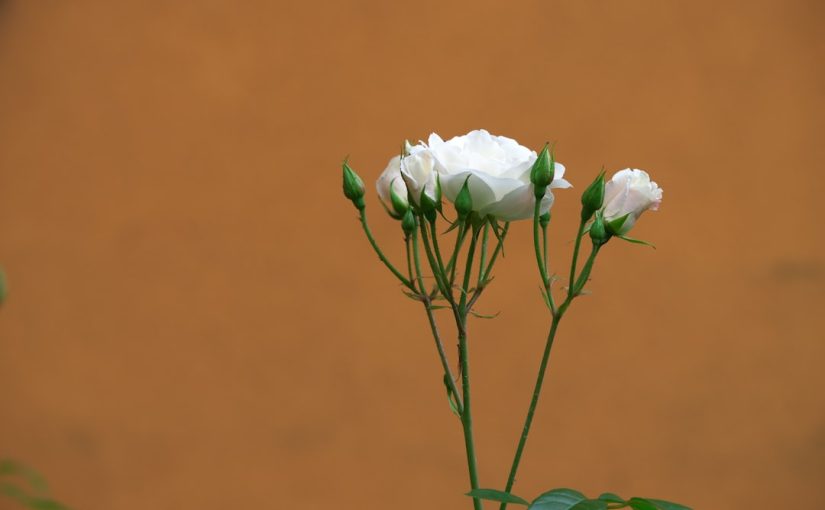
<p>For gardeners and rose enthusiasts, the sight of pristine white roses gradually acquiring a blush of pink can be both intriguing and a little perplexing. You plant them for their pure, ethereal beauty, expecting them to remain untouched by other hues, only to discover a subtle transformation unfolding in your garden. This shift, far from being a sign of disease or distress, is often a fascinating testament to the dynamic interplay between a plant’s genetics and its environment. Understanding why your cherished white blooms are developing a rosy tint requires a closer look at the science behind rose pigmentation, the influence of external factors, and even the inherent characteristics of specific rose varieties. Let’s uncover the compelling reasons behind this captivating color change.</p>
<h2>The genetic blueprint and natural pigmentation</h2>
<p>At the heart of any rose’s color lies its genetic code, which dictates the types and amounts of pigments produced. White roses, rather than lacking pigment entirely, typically produce very low levels of anthocyanins, the water-soluble pigments responsible for red, purple, and blue hues in many plants. Instead, their white appearance often comes from a combination of very low pigment concentration and the presence of leucoanthocyanins, colorless precursors to anthocyanins, along with microscopic air spaces within the petal cells that scatter light. However, the genes for producing anthocyanins are still present, even if mostly dormant or suppressed in a “white” variety. Environmental stressors or specific triggers can sometimes activate these latent genes, leading to a temporary increase in anthocyanin production. This activation is a direct response to external stimuli, causing the previously colorless precursors to develop into visible pink pigments.</p>
<h2>Environmental triggers: sunlight and temperature</h2>
<p>One of the most significant factors influencing the appearance of pink hues in white roses is environmental exposure, particularly sunlight and temperature. Increased exposure to direct sunlight, especially the UV spectrum, can act as a catalyst for anthocyanin synthesis. Plants produce these pigments not just for color, but also as a protective mechanism against intense light and oxidative stress. Just as human skin tans in the sun, rose petals can develop a “blush” as a defensive response. Similarly, temperature fluctuations, especially cooler nights followed by warm, sunny days, can also stimulate pigment production. These conditions create an environment where the plant is signaling a need for increased protection, manifesting as a delicate pink tint. The intensity and duration of this sun exposure directly correlate with the degree of pink coloration observed.</p>
<table>
<caption>Sunlight exposure and potential pigment activation</caption>
<tr>
<th>Daily direct sunlight exposure</th>
<th>Observed pigment activation</th>
<th>Likely effect on white roses</th>
</tr>
<tr>
<td>Less than 4 hours</td>
<td>Minimal</td>
<td>Tend to remain pure white</td>
</tr>
<tr>
<td>4-6 hours</td>
<td>Moderate</td>
<td>Faint pink blush, especially at petal edges</td>
</tr>
<tr>
<td>6-8+ hours</td>
<td>Significant</td>
<td>Noticeable pink coloration, more widespread</td>
</tr>
</table>
<h2>Soil composition and nutrient influence</h2>
<p>While less direct than light and temperature, the composition of your soil and the availability of certain nutrients can also play a subtle role in pigment expression. Soil pH, for instance, can affect the uptake of various minerals crucial for plant health and development, including those indirectly related to anthocyanin pathways. While it doesn’t typically “change” the color of a white rose to pink in the dramatic way it can alter blue hydrangeas, an imbalance or specific nutrient deficiency (or surplus) could potentially stress the plant, prompting a protective pigment response. Healthy, well-balanced soil ensures a vigorous plant, and sometimes, a robust plant expressing its full genetic potential might also express dormant pigments more readily under certain conditions. For example, deficiencies in phosphorus or an excess of certain metals can sometimes trigger stress responses in plants, which might manifest in altered pigmentation, though this is a less common primary cause for white roses turning pink.</p>
<h2>Rose variety and age factor</h2>
<p>Finally, the specific variety of your white rose plays a crucial role. Not all “white” roses are created equal in their genetic stability regarding color. Some varieties, particularly those that have a pink or red rose in their lineage, possess a greater inherent tendency for their dormant pink genes to express themselves. This phenomenon is sometimes referred to as “reversion” or a “sport,” where a part of the plant reverts to an ancestral color trait. Furthermore, the age of the blooms themselves can be a factor. As rose petals mature and begin to senescence (age), their cellular structure changes, and their ability to regulate pigment production or degradation can alter. Older blooms, particularly those left on the plant for extended periods under strong sunlight, might naturally develop a pinkish tinge as part of their aging process, becoming more susceptible to environmental cues that trigger anthocyanin synthesis.</p>
<p>The transformation of your white roses to a delicate pink is a fascinating journey rooted in genetics and influenced by the world around them. From the inherent genetic predisposition of certain varieties to the protective mechanisms triggered by ample sunlight and fluctuating temperatures, numerous factors contribute to this beautiful color shift. While soil conditions and nutrient availability play a less direct role, they are integral to the overall health that allows these expressions to occur. Rather than a cause for concern, this blush of pink can be appreciated as a natural marvel, a testament to the rose’s adaptability and the subtle ways plants communicate with their environment. Embrace this unexpected beauty; it’s a reminder that even in stillness, nature is constantly evolving, presenting us with unique and captivating displays.</p>
Image by: Tadeusz Zachwieja