Navigating the produce aisle can sometimes feel like a culinary mystery, especially when faced with a pile of seemingly identical onions. While all onions belong to the same pungent family, their flavor profiles can swing wildly from tear-inducing sharpness to deliciously mild sweetness. Choosing the right onion is paramount for the success of your dish, as a hot, pungent onion can overpower delicate flavors, while a sweet one can add a subtle, mellow depth. This article will equip you with the knowledge to confidently distinguish a sweet onion from a hot one, ensuring your culinary creations always hit the right note. We’ll explore the scientific reasons behind their differences, delve into visual cues, and even discuss the importance of geographic origin and variety names.
The scientific difference: why some onions are sweeter
The core difference between a sweet onion and a pungent, or “hot,” onion lies in their chemical composition, specifically the concentration of sulfur-containing compounds. When an onion is cut, enzymes called alliinases react with these sulfur compounds, producing volatile gases, most notably thiopropanal S-oxide, which is responsible for the tears and the characteristic sharp flavor. Sweet onions, by nature, contain a significantly lower amount of these sulfur compounds and a higher water content. This genetic predisposition is often amplified by specific growing conditions.
Soil composition plays a critical role. Sweet onions are typically cultivated in low-sulfur soils. This limits the plant’s ability to absorb sulfur, directly resulting in a milder flavor. Additionally, sufficient moisture during growth helps dilute the existing sulfur compounds. Hotter onions, conversely, thrive in high-sulfur soils, leading to a more concentrated presence of the tear-inducing chemicals. This fundamental biochemical distinction is the root cause of the taste variation you experience.
Visual cues: peeling back the layers of identification
While cutting an onion is the ultimate test, several visual indicators can help you differentiate sweet from hot varieties before you even get to the chopping board. Pay attention to the onion’s appearance, as it often provides reliable clues.
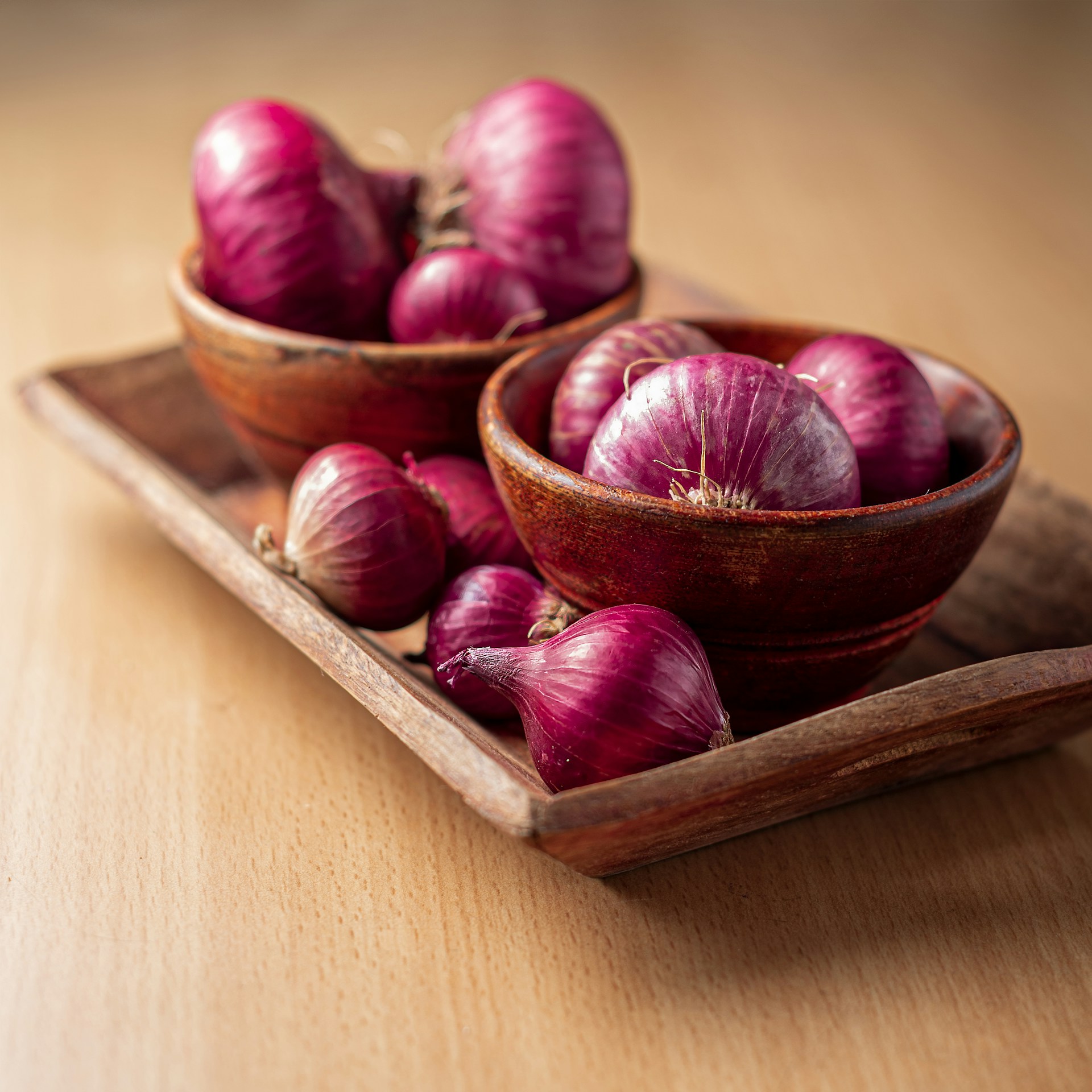
- Skin color: Sweet onions often have a thinner, lighter, and sometimes more translucent skin. They typically come in shades of pale yellow or white. Red onions can be sweet or hot, so skin color alone isn’t a definitive indicator for red varieties. Hotter yellow or brown onions usually have a thicker, papery, more opaque skin.
- Shape: Many sweet onion varieties tend to be flatter or more squat in shape, often resembling a disc or a slightly flattened globe. Pungent onions are more commonly round or elongated. While not a hard and fast rule, it’s a helpful general observation.
- Size and weight: Sweet onions are often noticeably larger than their pungent counterparts and can feel surprisingly heavy for their size due to their higher water content.
Here’s a quick visual guide:
| Characteristic | Sweet Onion (General) | Hot Onion (General) |
|---|---|---|
| Skin Color | Pale yellow, white, sometimes light brown; often thin, translucent | Yellow, brown, red; often thick, papery, opaque |
| Shape | Flatter, squatter, disc-like | Rounder, more globular, sometimes elongated |
| Size | Often larger | Often medium to smaller |
| Feel | Firm, heavy for size | Firm, lighter for size |
Tactile and aromatic tests: beyond what meets the eye
Beyond visual inspection, a few simple tactile and aromatic tests can further aid in identification, though some require a slight compromise to the onion’s integrity.
- Feel: A sweet onion will often feel firm and dense, yet slightly less rigid than a hot onion. Their higher water content contributes to a certain “plumpness.” Hot onions, while also firm, might feel a bit lighter or drier for their size in comparison.
- Smell (careful): If possible, gently scratch the surface of the onion or rub a small, exposed part (like the stem or root end if it’s slightly cut). A sweet onion will release a very faint, almost floral or subtly oniony scent. A pungent onion, on the other hand, will immediately emit a stronger, sharper, and more acrid aroma that can even make your eyes prickle slightly without fully cutting it. This is a very reliable indicator once you’ve learned to distinguish the subtle differences.
Remember to handle produce gently, especially if you’re not purchasing that specific onion immediately, but a quick, light sniff test is usually acceptable in most grocery settings.
Geographic origin and variety names: a clue from the label
One of the most straightforward ways to identify a sweet onion is by its name and place of origin. Many sweet onion varieties are protected by specific growing regions and trademarks because their sweetness is a direct result of unique soil and climate conditions in those areas. Look for these names on labels and signage:
- Vidalia onions: Famous from Georgia, USA. Known for their distinct flat shape and mild taste.
- Walla Walla sweet onions: Hailing from Washington state, USA. Spherical and very sweet.
- Maui onions: Grown on the Hawaiian island of Maui. Exceptionally mild and sweet.
- Texas 1015 super sweet onions: A variety specifically bred for sweetness, grown in Texas.
- Imperial sweet onions: Another commonly found sweet variety, often labeled simply as “sweet onion” alongside its specific name.
If an onion is simply labeled “yellow onion,” “white onion,” or “red onion” without a specific sweet variety name or geographic indicator, it’s generally safe to assume it will have a more pungent flavor profile, though some can be milder than others depending on the season and specific cultivar.
Mastering the art of distinguishing sweet from hot onions is a valuable skill for any home cook. By paying attention to scientific principles, visual cues like skin color and shape, tactile and aromatic tests, and most importantly, recognizing specific varietal names and geographic origins, you can confidently select the perfect onion for your culinary needs. Whether you’re aiming for a caramelized sweetness in a French onion soup or a sharp bite in a fresh salsa, knowing your onions ensures your dishes are always balanced and flavorful. No more guessing games in the produce aisle; armed with this knowledge, you’re ready to make informed choices that elevate your cooking, turning every meal into a testament to precise ingredient selection and delightful taste.
Image by: Josiah Rock