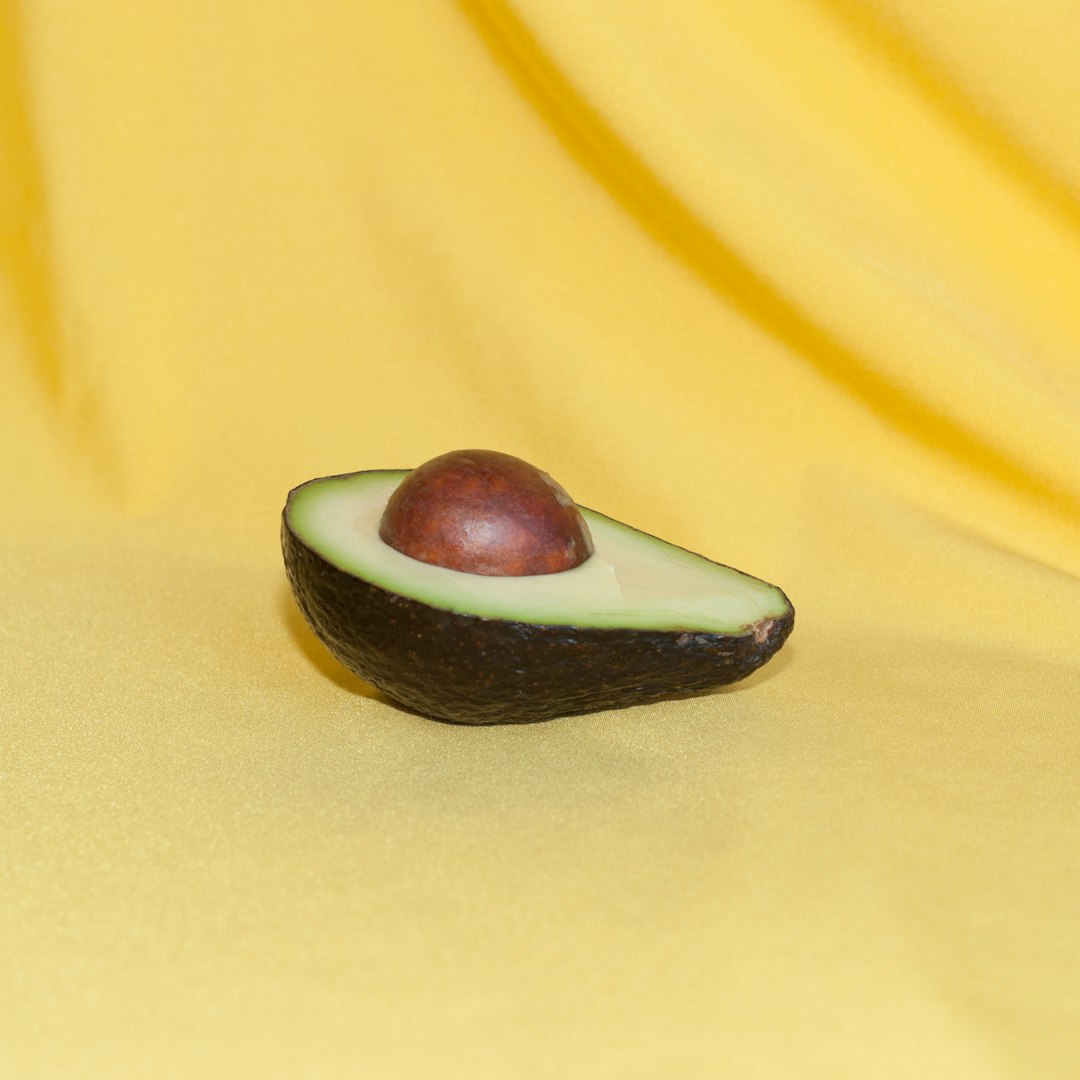
The allure of fresh, creamy avocados harvested directly from your garden is undeniable. For many, the dream remains just that, due to the substantial size traditional avocado trees can reach. However, a delightful solution exists: dwarf avocado trees. These compact cultivators bring the joy of homegrown avocados within reach, even for those with limited space, whether a small backyard, a patio, or even a sunny balcony. This guide will walk you through everything you need to know, from selecting the perfect dwarf variety to planting, nurturing, and finally harvesting your very own delicious fruit. Embarking on this journey opens up a world of gardening satisfaction, transforming your space into a productive mini-orchard.
Selecting your dwarf avocado tree and ideal location
Choosing the right dwarf avocado variety is the first crucial step towards a successful harvest. While no avocado tree is truly “dwarf” in the sense of staying miniature without any pruning, certain varieties have a naturally smaller growth habit that makes them ideal for containers or smaller garden spaces. Popular choices include ‘Wurtz’ (often marketed as ‘Little Cado’), ‘Gwen’, and ‘Pinkerton’. ‘Wurtz’ is particularly well-suited for containers, reaching a manageable height of 10-15 feet with pruning, producing medium-sized, pear-shaped fruit. ‘Gwen’ offers a bushier habit, similar fruit quality to ‘Hass’, and also stays within a reasonable size range. ‘Pinkerton’, while potentially larger, can be effectively managed with consistent pruning to maintain a dwarf stature and is prized for its large, excellent-flavored fruit. Consider your local climate and cold hardiness when making your selection; some varieties tolerate cooler temperatures better than others.
Once you have a variety in mind, the next step is selecting an ideal location. Avocado trees, even dwarf ones, demand full sun exposure – aim for at least 6-8 hours of direct sunlight daily. They also require excellent drainage. If planting in the ground, choose a spot where water doesn’t pool after rain. For container growing, select a large pot, ideally 15-25 gallons or more, with ample drainage holes. Terracotta pots can be a good choice as they promote aeration, but plastic pots are lighter and retain moisture longer. Ensure the location offers some protection from strong winds, which can damage tender leaves and young fruit.
| Variety | Typical Size (with pruning) | Fruit Characteristics | Cold Hardiness |
|---|---|---|---|
| ‘Wurtz’ (Little Cado) | 10-15 ft | Small to medium, pear-shaped, good flavor, green skin | Down to 25°F (-4°C) |
| ‘Gwen’ | 10-15 ft | Medium, oval, rich flavor, green skin, similar to ‘Hass’ | Down to 28°F (-2°C) |
| ‘Pinkerton’ | 15-20 ft | Large, long-necked, excellent flavor, green skin | Down to 28°F (-2°C) |
Planting and nurturing your young tree
Proper planting is fundamental for the long-term health and productivity of your dwarf avocado tree. Whether planting in the ground or a container, begin by preparing the soil. Avocado trees thrive in well-draining, slightly acidic to neutral soil (pH 6.0-7.0) rich in organic matter. For in-ground planting, dig a hole that is twice as wide as the root ball but no deeper than the root ball’s height. This encourages root spread without planting the tree too deep, which can lead to root rot. Gently remove the tree from its nursery container, being careful not to disturb the roots excessively. Place it in the center of the hole, ensuring the top of the root ball is level with or slightly above the surrounding soil line. Backfill the hole with a mixture of native soil and compost, tamping gently to remove air pockets. Water thoroughly immediately after planting to settle the soil.
For container planting, use a high-quality potting mix formulated for citrus or avocados, which typically offers good drainage and aeration. Avoid heavy garden soil in pots. Follow the same depth guidelines as for in-ground planting. Initial watering is crucial; ensure the entire root ball is saturated. Following planting, consistent moisture is key, especially during dry spells and for container-grown trees. However, avoid waterlogging, as this is the primary cause of root rot. Allow the top inch or two of soil to dry out slightly before watering again. Young trees benefit from a balanced fertilizer, applied sparingly, following product instructions. As the tree matures, switch to a fertilizer specifically formulated for avocados or citrus, rich in nitrogen, phosphorus, and potassium, along with micronutrients like zinc. Protect young trees from extreme temperatures; in colder climates, bring container trees indoors or provide frost protection for in-ground trees using blankets or burlap covers.
Essential ongoing care: pruning, pests, and containers
Ongoing maintenance ensures your dwarf avocado tree remains healthy, productive, and stays within its compact size. Pruning is perhaps the most vital aspect of maintaining a dwarf avocado. The goals of pruning are to establish a strong framework, promote air circulation, encourage fruit production, and, critically, manage its size. Start pruning when the tree is young to encourage branching and a bushy form. Remove any suckers growing from the base of the trunk. As the tree matures, focus on removing dead, diseased, or crossing branches. To maintain its dwarf stature, use heading cuts (cutting back a branch to a bud or side branch) to reduce overall height and spread. The best time to prune is usually after harvesting or in late winter/early spring before new growth flushes.
Pest and disease management is another critical area. Common avocado pests include spider mites, thrips, and scales. Regularly inspect your tree for any signs of infestation. Many issues can be managed organically with horticultural oils or insecticidal soaps. Proper cultural practices, such as good air circulation (achieved through pruning), avoiding overwatering, and maintaining tree vigor, significantly reduce susceptibility to pests and diseases like root rot. If growing in a container, ensure adequate drainage and do not let the pot sit in standing water.
For container-grown trees, additional care considerations apply. They will require more frequent watering and fertilization than in-ground trees due to the limited soil volume. Every 2-3 years, depending on growth, your tree will need repotting into a slightly larger container, or root pruning and fresh potting mix if you wish to keep it in the same pot. Root pruning involves carefully removing about a third of the outer roots and replenishing with new soil. This rejuvenates the tree and prevents it from becoming root-bound, which can stunt growth and reduce fruit production.
Harvesting your homegrown bounty
The moment of truth arrives when your dwarf avocado tree is laden with fruit. Unlike many fruits, avocados do not ripen on the tree. They mature on the tree but only soften and become edible once picked. Knowing when to harvest requires a bit of observation and patience. The fruit will reach its full size and specific color (depending on the variety) while still hard on the branch. A good indicator of maturity is when a few fruits naturally drop from the tree, or you can pick one fruit and allow it to ripen indoors. If it ripens properly and tastes good, the rest of the fruit on the tree is likely mature enough to pick.
To harvest, use clean pruning shears or clippers to snip the stem just above the fruit, leaving a small piece of the stem attached. Avoid pulling the fruit off, as this can damage the tree or the fruit itself. Once picked, place the hard avocados on your kitchen counter at room temperature to ripen. This process can take anywhere from a few days to a week or more, depending on the fruit’s maturity and ambient temperature. To speed up ripening, place avocados in a paper bag with an apple or banana; the ethylene gas produced by these fruits will accelerate the process. Once ripe and soft to the touch, avocados can be stored in the refrigerator for a few days to extend their shelf life. Enjoying your own perfectly ripe, creamy avocados is the ultimate reward for your diligent care.
Cultivating dwarf avocado trees truly is an accessible and rewarding horticultural endeavor. By carefully selecting the appropriate variety for your climate and space, providing meticulous care during planting and establishment, and committing to ongoing maintenance like intelligent pruning and vigilant pest management, you set the stage for abundant harvests. Remember that consistent watering, proper nutrition, and thoughtful size management are the cornerstones of success, particularly for container-grown specimens. The journey from a small sapling to a tree bearing its first fruits is immensely gratifying, offering not only the pleasure of gardening but also the unparalleled delight of fresh, organic avocados right at your fingertips. Embrace the process, and you’ll soon be enjoying the rich, buttery flavor of your very own homegrown avocados.