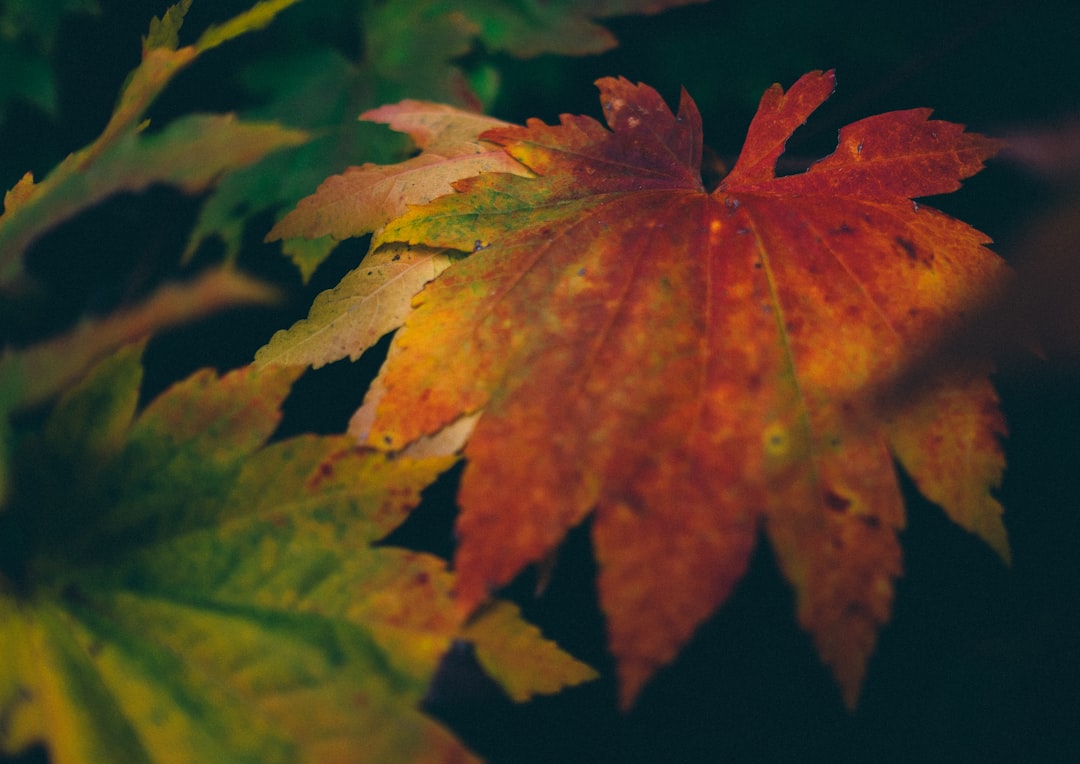
The Autumn Blaze Maple, revered for its vibrant fall foliage and rapid growth, is a popular choice for landscapes across many regions. Its striking red-orange leaves provide a spectacular display, making it a favorite among homeowners and landscapers alike. However, discovering the bark on your cherished Autumn Blaze Maple is splitting can be a disheartening sight, often raising immediate concerns about the tree’s health and longevity. This common issue, while alarming, is typically a symptom of underlying environmental stresses, cultural practices, or biological factors affecting the tree. Understanding the root causes behind bark splitting is crucial for effective diagnosis, treatment, and proactive care, ensuring your maple continues to thrive for years to come. In this article, we will explore the various reasons why your Autumn Blaze Maple’s bark might be splitting and what steps you can take to protect it.
Environmental stressors: temperature fluctuations and sunscald
One of the most frequent culprits behind bark splitting on Autumn Blaze Maples, particularly on younger or newly planted specimens, is a combination of dramatic temperature fluctuations and sunscald. These maples are known for their resilience, but they are not immune to the stresses of harsh weather. During late winter and early spring, the bark on the south or southwest side of the tree can be intensely warmed by direct sunlight, causing the cells beneath to become active and expand. As soon as the sun sets or is obscured, temperatures can plummet, leading to rapid freezing of these active cells. This sudden expansion and contraction can physically tear the bark, resulting in vertical cracks or splits.
This phenomenon, known as sunscald or southwest winter injury, is exacerbated by bare ground around the tree that reflects sunlight, or by a lack of protective shading during winter. Young trees with thin bark are especially vulnerable because their bark hasn’t developed the insulating layers of mature trees. The damage often exposes the cambium layer beneath, leaving the tree susceptible to pests, diseases, and further environmental damage. While the tree may attempt to callus over the wound, severe sunscald can lead to girdling, where a complete ring of bark is damaged, potentially killing the tree above the injury.
Water-related issues: drought stress and overwatering
Proper water management is fundamental to the health of any tree, and Autumn Blaze Maples are no exception. Both insufficient and excessive watering can significantly contribute to bark splitting. Drought stress occurs when the tree does not receive enough moisture, particularly during prolonged dry spells. In an attempt to conserve water, the tree’s cells can shrink, and the bark becomes less pliable. This lack of elasticity makes the bark prone to cracking, especially if there’s a subsequent sudden influx of water or a period of rapid growth. The internal pressure from the xylem trying to transport water through constricted tissues can also contribute to splits.
Conversely, overwatering can be equally detrimental. While seemingly counterintuitive for bark splitting, excessive moisture can lead to root rot, suffocating the roots and impairing their ability to absorb oxygen and nutrients. A compromised root system stresses the entire tree, weakening its overall health and resilience. This weakened state can manifest in various ways, including compromised bark integrity. Although less direct than drought, a tree suffering from chronic overwatering is less able to heal wounds, fight off pathogens, or cope with environmental stressors that might otherwise cause minor, repairable damage.
Pests, diseases, and mechanical injury
Beyond environmental factors, biological agents and physical damage can also compromise the integrity of an Autumn Blaze Maple’s bark.
Diseases, particularly fungal cankers, can also cause bark to crack and die. Canker diseases create sunken lesions on the bark, which can eventually girdle branches or the main trunk. As the tree attempts to wall off the infection, the surrounding bark can crack or peel. Common diseases like Verticillium wilt, while primarily affecting the vascular system, can also stress the tree to the point where bark damage becomes more pronounced. Finally, mechanical injury from lawnmowers, string trimmers, or even animal gnawing (like deer rubbing) directly damages the bark, creating open wounds that can split further over time, especially as the tree grows or tries to heal. These wounds also serve as easy entry points for pests and pathogens.
Here’s a quick overview of common causes and their management:
| Cause of Splitting | Description | Prevention / Treatment |
|---|---|---|
| Sunscald / Temperature Fluctuations | Rapid heating/freezing of bark, damaging cambium layer. | Winter wrapping (burlap/tree wrap) on young trees, strategic planting, reflective mulch. |
| Drought Stress | Insufficient water makes bark inflexible, prone to cracking. | Consistent, deep watering during dry periods; use mulch to retain soil moisture. |
| Overwatering / Root Rot | Excessive moisture suffocates roots, weakening overall tree health. | Ensure good drainage, water only when topsoil is dry, avoid compaction. |
| Pests (Borers) | Insects tunneling beneath bark, disrupting vascular tissue. | Monitor for signs, maintain tree vigor, consult arborist for treatments. |
| Diseases (Cankers) | Fungal infections causing sunken lesions and bark death. | Prune infected branches (sterilize tools), improve air circulation, maintain tree health. |
| Mechanical Injury | Physical damage from equipment, animals, or impacts. | Keep lawn equipment away from trunk, use tree guards, avoid impacts. |
Growth rate and nutrient imbalances
Autumn Blaze Maples are celebrated for their vigorous and rapid growth, which, while desirable, can sometimes be a contributing factor to bark splitting. When a tree grows very quickly, the inner wood expands at a faster rate than the outer bark can accommodate. This rapid expansion can put immense pressure on the bark, causing it to stretch beyond its elastic limits and crack vertically. This is more common in young, fast-growing trees that are well-fertilized or have ideal growing conditions. While a natural process to some extent, excessive or uneven growth can lead to significant splits that weaken the tree.
Furthermore, nutrient imbalances can play a subtle but significant role. Both deficiencies and excesses of essential nutrients can weaken the tree’s cellular structure, making the bark less robust and more susceptible to splitting. For example, a lack of certain micronutrients can impair cell wall development, while an overabundance of nitrogen might promote lush, rapid growth without adequately supporting the structural integrity of the bark. A soil test can identify specific nutrient deficiencies or excesses, allowing for targeted fertilization to promote balanced, healthy growth rather than merely rapid expansion. Maintaining optimal soil health, pH, and nutrient availability ensures the tree develops strong, resilient bark capable of adapting to its growth and environmental challenges.
Observing bark splitting on your Autumn Blaze Maple can be disconcerting, but understanding the array of potential causes—from environmental stressors like sunscald and temperature fluctuations to water management issues, pest infestations, diseases, and even the tree’s own rapid growth—empowers you to take appropriate action. Most instances of bark splitting are the tree’s reaction to stress, indicating a need for intervention. By identifying the specific underlying factor, whether it’s through careful observation, a soil test, or consultation with a certified arborist, you can implement targeted strategies to mitigate the damage and prevent future occurrences.
The health of your Autumn Blaze Maple is a direct reflection of its environment and the care it receives. Proactive measures such as proper winter protection, consistent and appropriate watering, guarding against mechanical damage, and maintaining balanced soil nutrition are paramount. While some splits may heal naturally, severe or deep cracks require attention to prevent secondary infections from pests or pathogens. Ultimately, a vigilant approach to tree care, coupled with an understanding of these common issues, will help ensure your Autumn Blaze Maple remains a vibrant, healthy, and beautiful centerpiece in your landscape for many seasons to come.
Image by: Armen Aydinyan