The quest for the perfect avocado is a culinary journey many of us embark on regularly. While the creamy, versatile fruit is a staple in kitchens worldwide, identifying its peak ripeness can be a surprisingly tricky affair, especially when you step beyond the commonly known Hass variety. Enter the Bacon avocado, a delightful, milder cousin often recognized for its smoother skin and distinct flavor profile. Unlike some of its darker-skinned relatives, the Bacon avocado doesn’t always signal its readiness with a dramatic color change, leading to confusion and, occasionally, disappointment. This article aims to demystify the ripening process for the Bacon avocado, providing clear, actionable insights so you can enjoy this delicious fruit at its absolute best, every single time.
Identifying the bacon avocado: Beyond the green facade
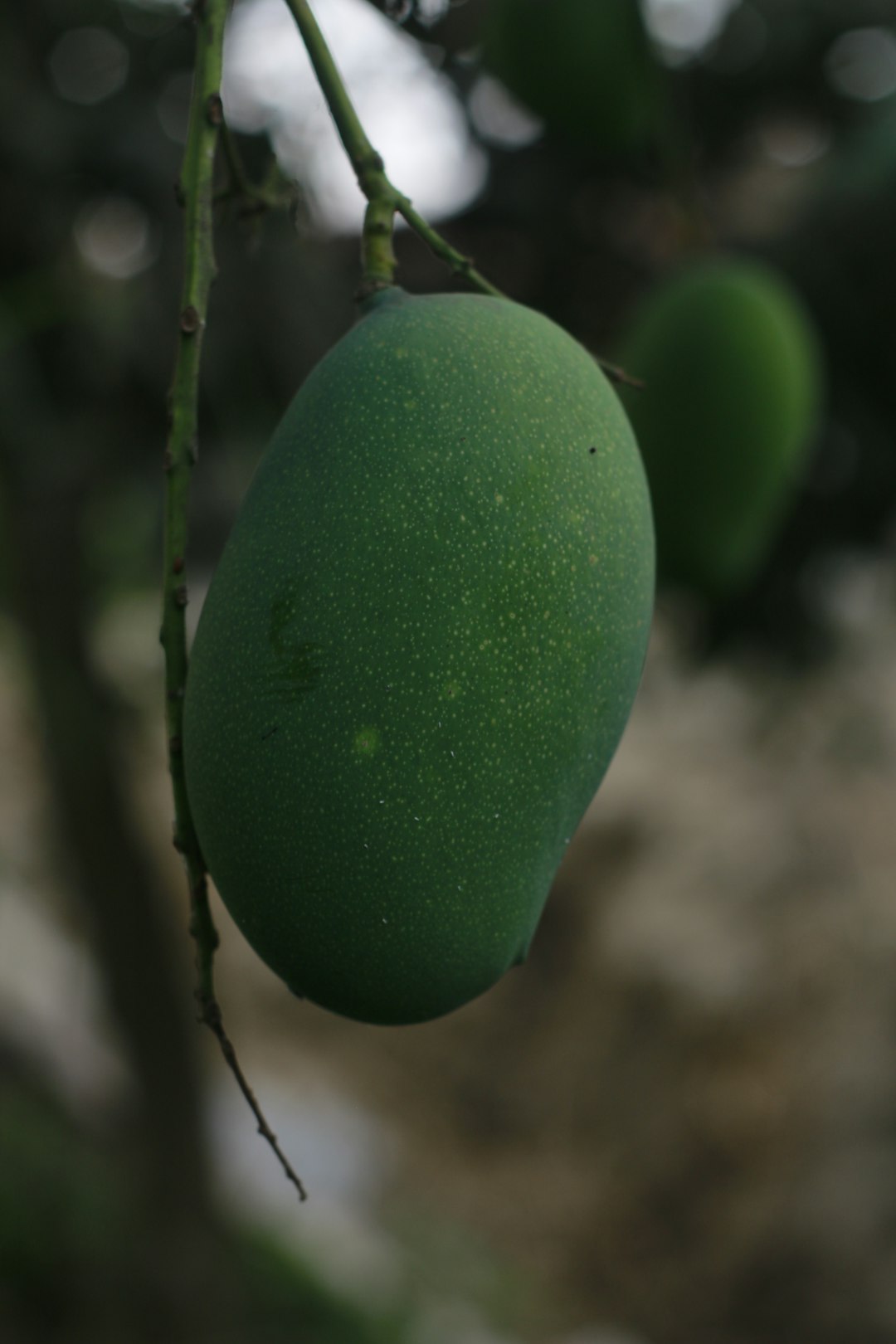
The Bacon avocado, a hybrid variety originating in California, stands apart from its more common Hass counterpart in several key ways that directly impact how we assess its ripeness. While Hass avocados typically turn a deep, dark purple-black when ripe, the Bacon avocado often retains its vibrant green skin, or at most, experiences a slight dulling of color. This characteristic is crucial to understand, as relying solely on a color change, as you might with a Hass, will likely lead you astray. Its skin is also smoother and slightly thinner than that of a Hass, making it feel less textured. Recognizing these inherent differences is the first step in mastering the art of selecting a perfectly ripe Bacon avocado, shifting our focus from visual cues to more tactile indicators.
The delicate art of the touch test
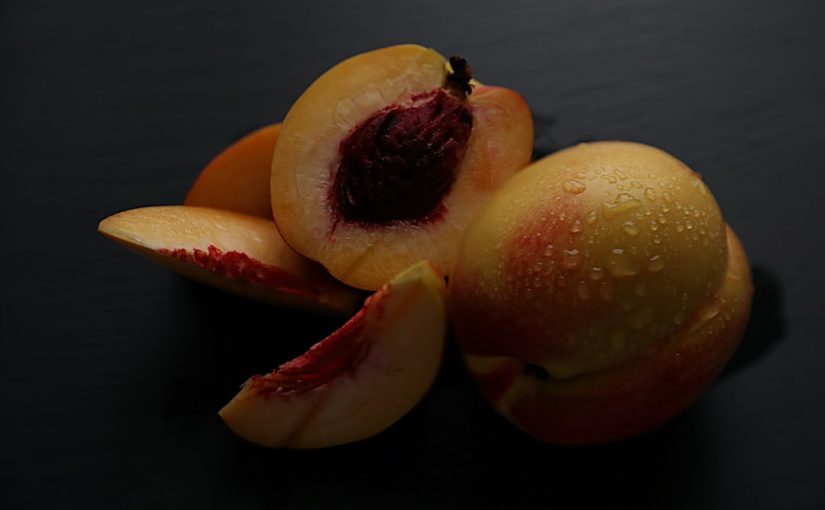
For the Bacon avocado, the touch test is unequivocally the most reliable method for determining ripeness. This isn’t about squeezing the entire fruit vigorously; rather, it requires a gentle, discerning touch. Hold the avocado in the palm of your hand and apply slight pressure with your thumb or fingers. A ripe Bacon avocado will yield gently to this pressure, feeling soft but not mushy. It should have a subtle give, similar to how a perfectly ripe peach feels. If the avocado feels hard and shows no give, it’s not ready. Conversely, if it feels excessively soft, squishy, or has indentations that don’t spring back, it’s likely overripe, and the flesh inside may be stringy or discolored. Pay particular attention to the area around the stem end, as this part often ripens first. If this area feels significantly softer than the rest of the fruit, it’s a good sign of readiness.
To provide a clearer picture of what to expect during different stages, consider the following guide:
| Ripeness Stage | Touch Test | Stem Area | Skin Color | Best Use |
|---|---|---|---|---|
| Unripe | Hard, no give | Firmly attached, green | Bright green, smooth | Wait (will ripen in 3-7 days) |
| Almost ripe | Slight give when pressed | Still attached, might show slight yellowing | Vibrant green | Ripen at room temp (1-2 days) |
| Ripe | Yields to gentle pressure, not mushy | Comes off easily, reveals green/yellow flesh | Vibrant green to slightly duller | Immediate use for best flavor |
| Overripe | Very soft, mushy, dents remain | Easily falls off, dark/moldy under | Duller green, potentially brown spots | Purees, limited use, or discard |
Stem signals and subtle visual clues
While color isn’t the primary indicator for a Bacon avocado, the stem area offers valuable secondary clues. A ripe Bacon avocado’s stem cap will often be easier to remove than an unripe one’s. Gently try to flick off the small woody stem at the top. If it comes off readily and reveals a vibrant green or yellowish color underneath, the avocado is likely ripe and ready to eat. If the stem cap is difficult to remove, or if the flesh underneath is brown or black, the avocado is either unripe or overripe, respectively. Beyond the stem, subtle visual changes might include a slight dulling of the bright green skin, making it appear less shiny. You might also notice very tiny, almost imperceptible dark speckles appearing on the skin, although this is less consistent than with other varieties. Always use these visual cues in conjunction with the touch test for the most accurate assessment.
Optimal ripening and storage for your bacon avocado
Once you’ve brought your Bacon avocados home, managing their ripeness is key. If your avocado is unripe and you want to speed up the process, place it in a paper bag with an apple or banana. These fruits release ethylene gas, a natural plant hormone that accelerates ripening. Store the bag at room temperature, checking daily. Typically, an unripe Bacon avocado will ripen in 3-7 days, depending on its initial maturity. Once your Bacon avocado reaches its perfect state of ripeness, you’ll want to enjoy it promptly. To extend its shelf life by a few extra days, store the ripe avocado in the refrigerator. The cool temperature slows down the ripening process significantly. However, avoid refrigerating unripe avocados, as this can halt ripening altogether and negatively impact flavor and texture. For cut avocados, storing halves with the pit intact and a squeeze of lemon or lime juice in an airtight container can help prevent browning for a short period.
Navigating the ripeness of a Bacon avocado doesn’t have to be a guessing game. By understanding its unique characteristics and moving beyond the common misconception that all avocados change color dramatically, you can confidently identify when this delicious fruit is at its peak. Remember, the gentle touch test around the stem, combined with careful observation of the stem cap, are your most reliable indicators. While subtle visual cues can offer supplementary information, they should always be secondary to feel. Armed with these insights and practical tips for ripening and storage, you are now equipped to select, prepare, and savor the creamy, delightful flavor of a perfectly ripe Bacon avocado, enhancing your culinary experiences and ensuring that every bite is exactly as it should be.
Image by: Michael Breucker