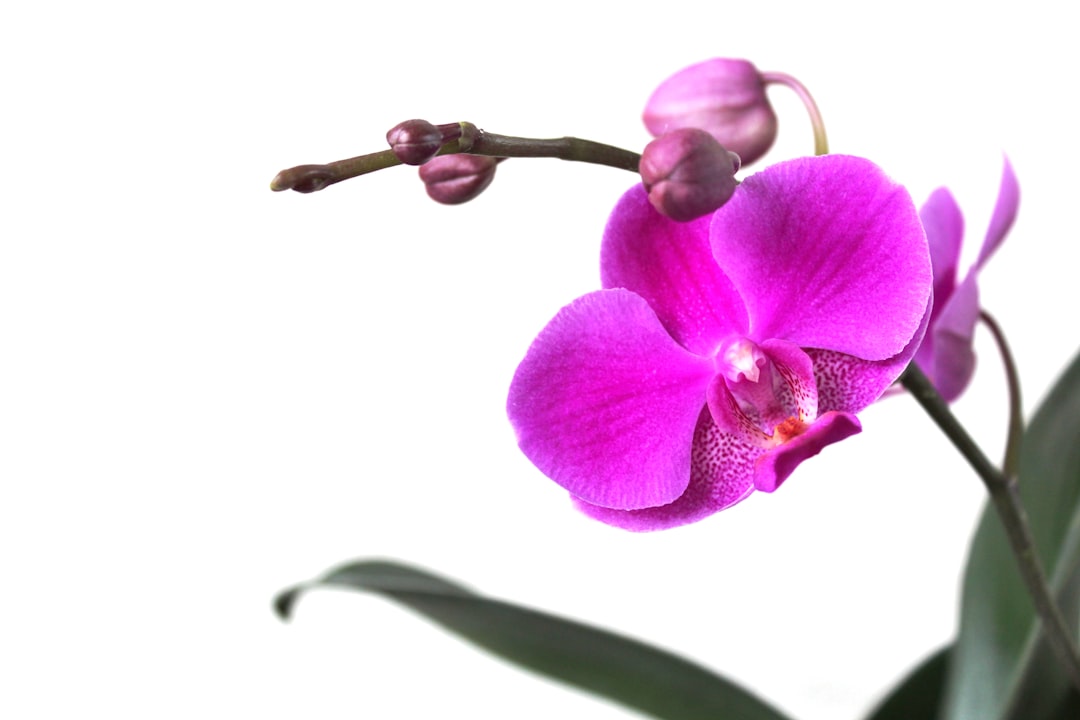
Discovering your beloved orchid has been exposed to freezing temperatures can be a heart-stopping moment for any plant enthusiast. These delicate tropical beauties, renowned for their exquisite blooms and elegant form, are highly susceptible to cold damage. When frost touches their leaves and roots, the immediate assumption might be that all hope is lost, leaving many to simply discard what appears to be a doomed plant. However, with the right approach and a good dose of patience, it’s often possible to nurse a frozen orchid back to health. This comprehensive guide will walk you through the critical steps, from immediate assessment to long-term care, offering a lifeline for your cherished plant and turning a potential tragedy into a triumph of horticultural resilience.
Assessing the damage and immediate response
The first critical step in saving a frozen orchid is to accurately assess the extent of the damage. Freezing temperatures cause water within plant cells to expand, rupturing cell walls and leading to irreversible tissue damage. You’ll typically notice leaves becoming translucent, watery, and eventually turning black or brown and mushy. Flowers will wilt rapidly and discolor. Stems might appear shriveled. It’s crucial to identify these signs quickly.
Upon discovering your orchid has been exposed to cold, your immediate reaction should be to move it away from the freezing environment. However, resist the urge to place it directly near a heat source like a radiator or fireplace. Rapid temperature changes can cause further shock and damage. Instead, move the plant to a moderately warm, stable room. Aim for a temperature range between 60-70°F (15-21°C). Avoid touching or disturbing the plant too much, as the damaged tissues are extremely fragile. Do not water the plant at this stage, as the roots may be compromised and unable to absorb water, potentially leading to root rot.
Gradual warming and damage control
Once the orchid is in a stable, warmer environment, the process of gradual recovery can begin. The key is to allow the plant to acclimate slowly. Avoid any direct sunlight initially, opting for bright, indirect light instead. To help the plant, consider increasing the humidity around it. A pebble tray filled with water placed beneath the pot (ensuring the pot doesn’t sit directly in the water) or a nearby humidifier can create a more favorable microclimate. Orchids thrive in high humidity, and this can aid in minimizing further water loss from damaged tissues.
After a day or two, you can begin the delicate process of pruning. Carefully examine all parts of the plant. Any leaves, stems, or roots that are distinctly mushy, black, or completely translucent are dead and will not recover. These damaged parts must be removed to prevent the spread of rot or fungal infections to healthy tissues. Use a clean, sterilized cutting tool (e.g., razor blade or sharp scissors wiped with rubbing alcohol) to make clean cuts. Prune back to healthy, firm tissue. For roots, healthy roots are firm and plump, while frozen ones will be soft and brown or black. Remove all dead roots, leaving only healthy ones. This meticulous pruning is vital for the orchid’s survival.
Post-trauma care and recovery environment
Following the initial damage control, providing the right environment is paramount for your orchid’s recovery. If the potting medium is heavily saturated, decayed, or if most of the roots were compromised and required extensive pruning, repotting might be necessary. Choose a fresh, well-draining orchid-specific potting mix, such as fir bark, sphagnum moss, or a mix of both. Ensure the pot has adequate drainage holes. Be gentle during repotting to avoid further stress to any remaining healthy roots.
Watering requires extreme caution. With potentially compromised roots, overwatering can quickly lead to fatal root rot. Allow the potting mix to dry out significantly between waterings. When you do water, do so sparingly, perhaps by giving it a light sip or misting the surface of the medium, rather than a full drench. Monitor the plant closely for any signs of new growth or further decline. Crucially, do not apply any fertilizer to a stressed or recovering orchid. Fertilizer can burn fragile roots and hinder recovery. Wait until you see robust new growth, such as new leaves or root tips, before considering a very dilute feeding schedule.
Maintaining optimal environmental conditions during recovery is vital:
| Environmental Factor | Recommended Condition for Recovery |
|---|---|
| Temperature | 60-70°F (15-21°C) – stable |
| Light | Bright, indirect light (e.g., east-facing window) |
| Humidity | 50-70% (use pebble tray or humidifier) |
| Watering | Sparingly, allow medium to dry out completely |
| Fertilization | None until significant new growth is visible |
Long-term recovery and prevention
Patience is the single most important virtue when attempting to save a frozen orchid. Recovery will not be swift; it can take weeks or even months to see significant signs of improvement. Continue to monitor your orchid diligently, looking for firm, green root tips emerging from the potting mix, or the development of new, small leaves. These are encouraging indicators that your efforts are paying off. Maintain the stable, indirect light, moderate temperatures, and high humidity, gradually returning to a regular watering and feeding schedule only when the plant shows robust, consistent new growth.
The best treatment, of course, is prevention. To avoid future freezing incidents, be vigilant about your orchid’s placement, especially during colder months. Keep plants away from drafty windows, exterior doors, or any areas that might experience sudden temperature drops. If transporting orchids in cold weather, ensure they are thoroughly insulated and protected from exposure to the elements, even for short durations. Regularly check indoor temperatures, particularly at night, to ensure they remain within the orchid’s preferred range. Proactive care is far less stressful than reactive rescue, ensuring your magnificent orchids continue to thrive and bloom for years to come.
Saving a frozen orchid is a testament to both the plant’s resilience and the grower’s dedication. The process, while requiring careful attention and considerable patience, is often rewarding. You’ve learned to assess the damage, gently warm the plant, meticulously prune away necrotic tissue, and provide a nurturing post-trauma environment. The journey from a seemingly lost cause to a thriving plant involves understanding the delicate balance of temperature, humidity, and light, coupled with a restrained approach to watering and fertilization. Remember, prevention remains your best ally. By understanding the vulnerabilities of your orchids and taking proactive steps to protect them from cold, you can prevent future incidents and ensure these exquisite plants continue to bring beauty and joy to your home. Every successfully revived orchid is a celebration of life and a valuable lesson in horticultural care.