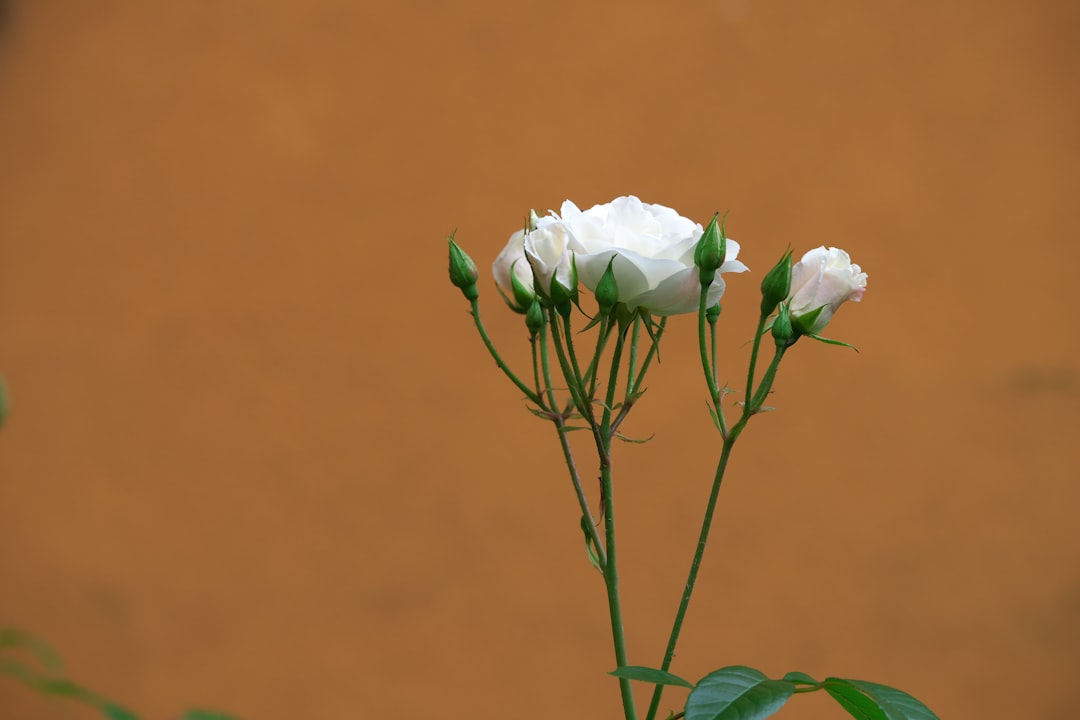
Roses, with their unparalleled beauty and captivating fragrance, have graced gardens for centuries, captivating the hearts of enthusiasts worldwide. However, cultivating these majestic blooms to their full potential requires more than just sunlight and water; it demands a nuanced understanding of their environmental needs, with temperature being a paramount factor. The ideal thermal conditions dictate everything from bud formation and bloom quality to overall plant vigor and disease resistance. Striking the right balance ensures your rose bushes thrive, producing an abundance of the lush, vibrant flowers they are known for. This article delves into the precise temperature ranges and considerations that contribute to the robust health and spectacular displays of your cherished roses.
Temperature’s fundamental role in rose health
Temperature plays a crucial role in regulating virtually all physiological processes within a rose plant. It directly influences the rate of photosynthesis, where the plant converts light energy into chemical energy, as well as respiration, where it utilizes that energy for growth and maintenance. When temperatures are within an optimal range, these metabolic activities function efficiently, leading to strong stem development, healthy foliage, and abundant flower production. Conversely, extreme temperatures, whether too hot or too cold, can severely stress the plant, hindering nutrient uptake, reducing growth rates, and making the rose more susceptible to pests and diseases. Understanding this delicate balance is the first step toward creating an environment where your roses can truly flourish.
Optimal daytime and nighttime temperatures
For active growth and prolific blooming, roses thrive within specific temperature parameters. During the day, when photosynthesis is at its peak, an ideal range promotes efficient energy production. Nighttime temperatures are equally critical, allowing the plant to recover and consolidate the energy gathered during the day, rather than expending it on continued respiration. A significant temperature differential between day and night, often referred to as DIF (Difference in Temperature), is highly beneficial for rose development, encouraging stronger stems and better bud set. This fluctuation mimics natural conditions and helps regulate plant hormones.
Here’s a general guide for active growing temperatures:
| Growth Stage | Ideal Daytime Temperature | Ideal Nighttime Temperature |
|---|---|---|
| Active growth & Blooming | 60-75°F (15-24°C) | 50-60°F (10-15°C) |
| Minimum tolerated (non-dormant) | Above 40°F (4°C) | Above 35°F (2°C) |
| Maximum tolerated (active growth) | Below 85°F (29°C) | Below 70°F (21°C) |
Maintaining these ranges, particularly the cooler nights, is key to vibrant, long-lasting blooms.
The importance of dormancy and cold requirements
While tropical roses may not require it, most common garden roses, particularly Hybrid Teas, Floribundas, and Grandifloras, require a period of dormancy. This resting phase is crucial for the plant’s long-term health and ensures a vigorous display of blooms in the following growing season. Dormancy is typically triggered by dropping temperatures and shorter daylight hours in autumn. During this time, the rose plant sheds its leaves and slows down its metabolic processes significantly, conserving energy for the spring. Many varieties require a specific number of chill hours—periods below a certain temperature threshold, usually around 40-45°F (4-7°C)—to properly reset their growth cycle. Without adequate chilling, roses may exhibit weak growth, reduced flowering, or even remain stunted. Temperatures consistently below freezing, however, necessitate winter protection, as prolonged exposure can lead to tissue damage and winter kill, especially for less hardy varieties.
Managing temperature challenges: heat and cold stress
Roses, despite their resilience, are susceptible to stress from temperature extremes. During periods of intense heat, often exceeding 85°F (29°C), roses can suffer from heat stress. Symptoms include wilting, smaller bloom size, faded petal colors, and even scorching of foliage. To mitigate heat stress, consider providing partial afternoon shade, ensuring consistent deep watering, and applying a thick layer of mulch to keep the soil cool. Conversely, cold stress, particularly from unexpected late frosts or prolonged winter freezes, can cause significant damage. Freezing temperatures can burst plant cells, leading to blackening of new growth or severe cane damage. Protecting roses from cold involves choosing varieties suited to your USDA hardiness zone, providing good air circulation, and implementing winterization techniques like mounding soil or mulch around the base of the plant, or even wrapping tender varieties in burlap in colder climates. Proactive management of both heat and cold is essential for year-round rose health.
In conclusion, the pursuit of magnificent roses in your garden is inextricably linked to understanding and managing their thermal environment. From the optimal daytime temperatures that fuel vigorous photosynthesis to the cooler nights that encourage energy conservation and robust bloom development, every degree plays a part. The essential period of winter dormancy, providing a crucial reset for most varieties, highlights nature’s intricate design, demanding specific cold requirements for future abundance. Furthermore, mitigating the stresses of both scorching heat and biting cold through strategic gardening practices ensures the longevity and beauty of your plants. By embracing these temperature principles, you empower your roses to not just survive, but truly thrive, rewarding your efforts with an endless succession of breathtaking blooms, embodying the very essence of garden splendor. Provide them the right climate, and they will, without fail, provide you with unparalleled beauty.
Image by: Moon Moons